
Roof replacement represents one of the most significant investments homeowners make to protect their property from weather damage and structural deterioration. When roofing systems fail due...
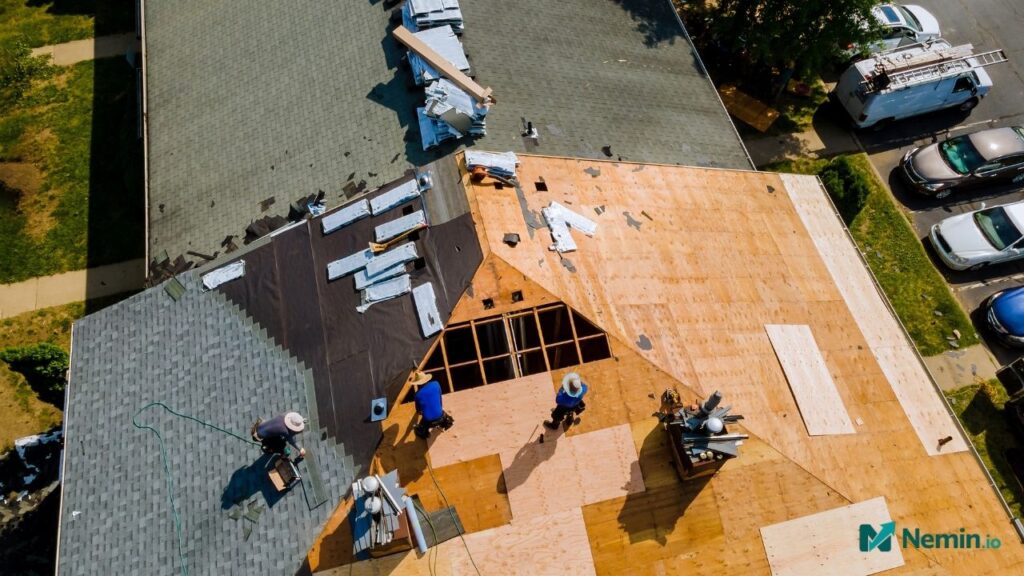
Roof replacement represents one of the most significant investments homeowners make to protect their property from weather damage and structural deterioration. When roofing systems fail due to age, storm damage, or poor installation, water infiltration threatens interior walls, insulation, electrical systems, and foundational integrity. Understanding the indicators that necessitate a complete tear-off versus simple repairs helps property owners avoid catastrophic failures that compromise safety and require expensive emergency interventions.
Whether your home features traditional asphalt shingles, durable metal panels, or premium slate tiles, recognizing the lifecycle limitations of roofing materials prevents secondary damage to drywall, framing, and personal belongings. The decisions you make today regarding roofing contractors, material selection, and ventilation systems directly impact your home’s energy efficiency, curb appeal, and market value for decades, making proactive roof replacement planning essential for preserving your largest financial asset.
What Is Roof Replacement and Why Does It Matter?
The Anatomy of Roofing Systems
Roof replacement involves the complete removal of existing roofing materials down to the roof deck, followed by installation of new underlayment, flashing, and surface materials that protect the structural envelope. Unlike overlay installations that add new layers over damaged substrates, full replacements address underlying decking deterioration, inadequate ventilation, and compromised waterproofing barriers. Professional roofing contractors assess sheathing condition, rafter integrity, and insulation effectiveness during tear-off phases, identifying hidden water damage that simple repairs would mask.
This comprehensive approach ensures that new shingles or tiles adhere properly to sound structural surfaces while meeting current building codes for wind uplift resistance and fire ratings. The process typically requires obtaining municipal permits, scheduling dumpster deliveries for debris removal, and coordinating material deliveries to minimize weather exposure of vulnerable decking.
Consequences of Delayed Action
Postponing necessary roof replacement leads to exponential damage costs that far exceed the initial investment in new materials and labor. Persistent moisture intrusion breeds toxic black mold within attic spaces and wall cavities, requiring costly remediation by certified abatement specialists. Compromised roof decking sags under accumulated water weight, creating structural load-bearing failures that threaten ceiling collapses and injury risks.
Insurance carriers increasingly deny claims for interior water damage when policyholders neglect obvious exterior maintenance needs, leaving homeowners solely responsible for drywall replacement, flooring repairs, and electrical system restoration. Additionally, deteriorated roofing materials drastically reduce thermal efficiency, forcing HVAC systems to work harder and increasing monthly utility expenses by substantial percentages. The longer homeowners delay roof replacement, the more extensive the collateral damage becomes, often necessitating simultaneous gutter replacement, fascia board repairs, and attic insulation upgrades.
7 Critical Warning Signs You Need Roof Replacement
1. Missing or Curling Shingle Tabs
Asphalt shingles that have reached the end of their service life exhibit distinct curling patterns along edges and corners, creating pathways for wind-driven rain to penetrate underlying waterproofing layers. When protective granules wash away due to ultraviolet degradation, shingles become brittle and crack during thermal expansion cycles. High winds easily tear loose these compromised materials, leaving bare patches where roof decking faces direct exposure to precipitation.
Professional inspection reveals whether curling affects isolated sections or indicates systemic failure requiring complete roof replacement. Spot repairs prove ineffective when neighboring shingles show similar deterioration patterns, as mismatched aging creates uneven load distribution and aesthetic inconsistencies. Complete tear-off allows contractors to install modern architectural shingles with enhanced wind ratings and algae-resistant granules that maintain appearance longer than original builder-grade materials.
2. Daylight Visible Through Roof Boards
Attic inspections during daylight hours reveal concerning gaps or pinholes where exterior light penetrates through roofing materials and decking. These openings indicate missing shingles, deteriorated underlayment, or cracked flashing that allows simultaneous water entry during precipitation events. Even small visible gaps expand rapidly as freeze-thaw cycles widen cracks and wood rot compromises surrounding structural members.
Roof replacement becomes necessary when light penetration occurs in multiple locations or follows rafter lines suggesting widespread decking failure. Contractors must remove all existing materials to expose and replace rotted plywood or oriented strand board sheathing before installing new weatherproofing systems. This comprehensive approach prevents future leaks while ensuring solid fastening surfaces for new roofing nails and adhesives.
3. Sagging Roof Decks and Valleys
Structural sagging between rafters or along roof valleys indicates prolonged water saturation of decking materials and potential framing compromise. These depressions collect additional moisture during rainfall, accelerating deterioration and creating breeding grounds for wood-destroying organisms. Valley areas particularly require attention during roof replacement, as improper previous installations often used inferior materials or inadequate flashing techniques.
Complete tear-off reveals the extent of structural damage hidden beneath surface materials, allowing carpenters to sister damaged rafters and replace waterlogged sheathing. Modern valley installation techniques using woven shingles or metal flashing systems provide superior water channeling compared to outdated methods. Addressing these structural issues during roof replacement prevents catastrophic failures during heavy snow loads or severe storm events.
4. Granules Accumulating in Gutters
Excessive granule loss from asphalt shingles indicates advanced UV degradation and approaching material failure. These ceramic-coated mineral particles protect underlying asphalt from solar radiation and provide fire resistance; their absence accelerates shingle deterioration and reduces roof system longevity. When gutters contain thick deposits resembling coarse sand, the roofing membrane has likely reached seventy to eighty percent of its expected lifespan.
While some granule shedding occurs normally on new shingles, heavy accumulation after decade-old installations signals imminent need for roof replacement. Contractors examine the degree of bald spots and exposed fiberglass matting to determine whether the home requires immediate intervention. New dimensional shingles feature improved granule adhesion technologies that resist weathering better than products manufactured fifteen to twenty years prior.
5. Water Stains on Interior Ceilings
Yellowish-brown discoloration on drywall ceilings or upper wall sections reveals active leaking that has penetrated all roofing layers and attic insulation. These stains often expand during heavy rainfall, indicating breaches in flashing around chimneys, vent pipes, or skylights that temporary patches cannot permanently resolve. When multiple rooms show water damage, the roofing system has likely exceeded its functional service life.
Roof replacement addresses these leaks comprehensively by installing new ice and water shields along eaves and valleys while replacing deteriorated step flashing. Simply repairing interior drywall without exterior intervention guarantees recurring damage, as underlying moisture pathways remain active. Professional contractors use moisture meters during tear-off to identify all compromised decking sections requiring replacement.
6. Excessive Energy Bills
Unexplained increases in heating and cooling costs often trace to deteriorated roofing materials that no longer provide adequate thermal barriers. As shingles age, they lose reflective properties and allow attic spaces to reach extreme temperatures, forcing air conditioning systems to compensate during summer months. Poor ventilation accompanying old roofing systems traps hot, moist air that reduces insulation effectiveness and promotes ice dam formation in winter.
Modern roof replacement incorporates ridge vents, soffit ventilation, and reflective shingle colors that reduce thermal transfer and stabilize indoor temperatures. Energy-efficient materials such as cool roof coatings or metal roofing reflect solar radiation, reducing peak cooling demands by significant percentages. These improvements pay dividends through reduced utility expenses while extending HVAC equipment lifespans.
7. Moss and Algae Infestation
Biological growth on roof surfaces indicates chronic moisture retention and potential underlying decay that threatens structural integrity. Moss roots penetrate shingle layers, lifting edges and creating reservoirs that accelerate freeze-thaw damage during winter months. While cleaning removes surface growth temporarily, persistent infestations suggest inadequate sunlight exposure or ventilation that new materials alone cannot correct.
Roof replacement allows installation of copper or zinc strip flashing that prevents future biological growth through natural antimicrobial properties. Synthetic underlayment materials resist moisture absorption better than traditional felt paper, eliminating conditions that support mold and algae proliferation. Addressing these issues during replacement prevents the unsightly black streaks that diminish curb appeal and reduce property values.
Advanced Roof Replacement Strategies
Material Selection Considerations
Choosing between asphalt shingles, metal panels, slate tiles, or synthetic composites requires analysis of climate conditions, architectural style, and long-term ownership plans. Architectural asphalt shingles offer cost-effective durability with thirty-year warranties, while standing seam metal roofing provides fifty-plus year lifespans and superior hail resistance. Premium materials like clay tiles or cedar shakes demand reinforced structural support but deliver distinctive aesthetic appeal and exceptional longevity.
Climate factors heavily influence material selection, as coastal properties require corrosion-resistant fasteners and salt-tolerant metals. Impact-resistant shingles withstand hail damage better than standard products, potentially qualifying homeowners for insurance premium discounts. Weight considerations matter significantly when upgrading from asphalt to tile, often requiring structural engineering assessments before roof replacement begins.
Ventilation System Upgrades
Proper attic ventilation extends roof lifespan by equalizing temperatures between exterior surfaces and interior spaces, preventing premature shingle curling and ice dam formation. Ridge vents combined with soffit intake vents create continuous airflow that removes moisture and heat without mechanical assistance. During roof replacement, contractors should evaluate existing ventilation adequacy and install additional intake or exhaust points as needed.
Power vents and solar-powered attic fans provide supplementary airflow for complex roof designs with limited ridge length. Balanced ventilation systems require precise calculations based on attic square footage and insulation depth to prevent negative pressure that draws conditioned air from living spaces. These upgrades maximize the return on roof replacement investments by preventing the thermal cycling that destroys roofing materials prematurely.
Flashing and Waterproofing Details
Superior roof replacement focuses heavily on vulnerable transition areas where roof planes meet vertical walls, chimneys, or plumbing vents. Step flashing, counterflashing, and kickout diverters require precise installation to channel water away from structural intersections. Self-adhering ice and water shields provide redundant protection in valleys and along eaves where ice dams commonly form.
Modern synthetic underlayment offers superior tear resistance and moisture protection compared to traditional felt paper, particularly important during extended construction periods. Drip edges along rakes and eaves direct water into gutters rather than behind fascia boards, preventing the rot that necessitates additional repairs. These detailed waterproofing measures distinguish professional roof replacement from inferior installations that fail within the first decade.
The Role of Professional Contractors
Selecting Qualified Roofing Companies
Identifying reputable roofing contractors requires verification of state licensure, general liability insurance, and workers compensation coverage that protects homeowners from accident liability. Established companies maintain permanent business addresses and demonstrate community longevity rather than storm-chasing operations that disappear after collecting deposits. Manufacturer certifications from shingle companies indicate advanced training and eligibility for enhanced warranty coverage.
References from recent roof replacement projects within the same zip code allow verification of workmanship quality and cleanup practices. Detailed written estimates should specify material brands, underlayment types, ventilation components, and warranty terms without vague allowances or unspecified upgrades. Professional contractors explain building code requirements and permit acquisition processes, demonstrating regulatory compliance knowledge.
Insurance Claim Navigation
Storm damage roof replacement often involves complex insurance claims requiring detailed documentation of hail impact marks, wind lift damage, and interior water evidence. Experienced contractors meet with adjusters to ensure all damaged components receive appropriate coverage, including decking replacement and code upgrade requirements. They document pre-existing conditions and photograph incremental damage to support claim validity.
Understanding Actual Cash Value versus Replacement Cost Value policies helps homeowners anticipate out-of-pocket expenses for depreciation holdbacks. Supplemental claims address hidden damage discovered during tear-off phases when decking deterioration exceeds initial estimates. Professional advocacy prevents insurers from denying legitimate claims based on technicalities or insufficient documentation.
Project Management and Quality Control
Effective roof replacement requires systematic tear-off procedures that protect landscaping and exterior finishes from debris damage. Magnetic rollers collect stray nails from lawns and driveways, preventing tire punctures and injury hazards. Daily cleanup and tarping protocols protect exposed decking from overnight precipitation during multi-day installations.
Final inspections verify proper nail placement, flashing integration, and ventilation balance before contractors accept payment. Manufacturer warranty registrations require documentation of proper installation techniques and material batch numbers. Quality-focused companies provide extended workmanship warranties beyond standard manufacturer coverage, demonstrating confidence in their roof replacement craftsmanship.
6 SEO-Optimized FAQs About Roof Replacement
What is the average lifespan of a residential roof before replacement is necessary?
Asphalt shingle roofs typically require replacement after twenty to thirty years, while metal roofing lasts fifty years or more and slate can exceed one hundred years with proper maintenance and prompt repairs of individual tiles.
How much does a complete roof replacement typically cost homeowners?
Costs vary significantly based on square footage, material selection, and regional labor rates, with asphalt shingle replacements ranging from moderate five-figure investments to premium materials costing substantially more per square.
Can new roofing materials be installed over existing shingles?
While building codes sometimes permit one overlay layer, complete tear-off is strongly recommended to inspect decking integrity, address ventilation issues, and ensure proper underlayment installation that maximizes new roof longevity.
Does homeowners insurance cover roof replacement costs?
Insurance policies cover replacement when damage results from sudden perils like hailstorms, wind events, or fallen trees, but exclude wear-and-tear deterioration or maintenance-related failures that develop gradually over time.
How long does a professional roof replacement project take to complete?
Standard residential roof replacement typically requires one to three days for asphalt shingles on straightforward designs, while complex architecture, premium materials, or extensive decking repairs may extend timelines to one week.
What season is best for scheduling roof replacement projects?
Late spring through early fall offers optimal temperatures for shingle sealing and adhesive activation, though experienced contractors complete winter installations using specialized techniques when emergency situations demand immediate action.
Conclusion
Timely roof replacement represents essential preventive maintenance that protects your home’s structural integrity, interior finishes, and family safety from weather-related damage. By recognizing the seven critical warning signs outlined above and engaging qualified contractors who prioritize proper ventilation, quality materials, and detailed waterproofing, you ensure decades of reliable protection against the elements. Remember that roof replacement is not merely a cosmetic upgrade but a complex system integration requiring professional expertise in building science and local construction codes.
Taking action at the first indication of system failure prevents the exponential damage costs and insurance complications that accompany neglected roofing systems. Your investment in professional roof replacement secures your property’s value, enhances energy efficiency, and provides the peace of mind that comes from knowing your home stands protected against nature’s harshest conditions.