
For buyers seeking more space, privacy, or proximity to nature, rural homes can provide an appealing alternative to urban and suburban property. Country properties may offer larger...
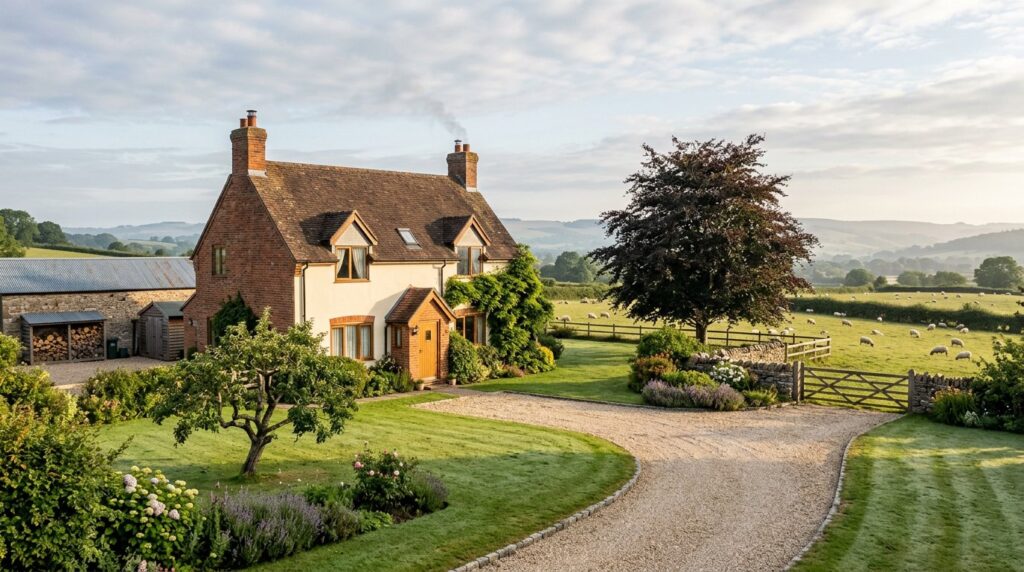
For buyers seeking more space, privacy, or proximity to nature, rural homes can provide an appealing alternative to urban and suburban property. Country properties may offer larger plots, open views, quieter surroundings, room for workshops or gardens, and direct access to outdoor recreation. They can also bring responsibilities that city buyers may not encounter, including private wells, septic systems, unpaved access roads, limited broadband, longer utility connections, land maintenance, and greater travel distances to healthcare, schools, shops, and workplaces.
Buying a rural property therefore requires a different form of due diligence from purchasing a conventional city home. The house itself may represent only part of the transaction. Water supply, wastewater treatment, boundaries, access rights, drainage, outbuildings, environmental conditions, land use restrictions, and agricultural activity can all affect ownership.
The best rural home is one that fits both the lifestyle you imagine and the everyday practical realities of living there.
What Are Rural Homes?
Rural homes are residential properties located in countryside or relatively low population density areas outside major urban centres.
There is no single architectural style that defines rural housing.
Properties can include:
• Country cottages
• Farmhouses
• Ranch homes
• Cabins
• Acreage properties
• Converted agricultural buildings
• Rural new builds
• Smallholdings
• Homes with woodland
• Properties with barns and workshops
• Remote off grid houses
Official definitions of rural can also differ between governments, lenders, statistical agencies, and planning authorities.
Why Are Rural Homes Popular?
Country living can appeal to people for several different reasons.
Some households prioritize land and privacy, while others want a slower environment, space for animals, gardening opportunities, or distance from dense development.
Remote and hybrid work have also made location more flexible for some occupations.
More Space
Rural properties can sometimes provide larger lots than similarly priced urban homes, although this depends heavily on location.
Additional land can support gardens, workshops, hobbies, parking, or agricultural uses where legally permitted.
Privacy
Lower housing density can provide greater physical separation from neighbours.
However, a large property does not guarantee privacy.
Public roads, footpaths, easements, agricultural activity, future development, and neighboring land uses should still be investigated.
Connection With Nature
Countryside living can provide easier access to forests, fields, mountains, coastlines, rivers, or open landscapes depending on the region.
The same environment can also bring wildlife, insects, seasonal weather, vegetation management, and other maintenance considerations.
11 Benefits of Rural Homes
The advantages depend on the property and owner, but several characteristics make rural housing attractive.
1. Larger Properties
Country homes may provide more indoor and outdoor space.
This can benefit larger families or people who need storage, workshops, studios, or recreational areas.
2. Greater Separation From Neighbours
Detached rural homes can provide substantial space between residences.
For people who value quieter surroundings, this can be a significant lifestyle benefit.
Rural Does Not Always Mean Silent
Agricultural areas can involve tractors, livestock, harvesting machinery, shooting, aircraft, processing facilities, and early morning activity.
Visit the area at different times before assuming it will always be quiet.
3. Room for Gardening
Larger land areas can support vegetable gardens, orchards, greenhouses, or landscaping.
Soil quality, water availability, sunlight, drainage, and climate influence what can realistically grow.
4. Space for Hobbies
Rural homes can accommodate activities difficult to pursue in small urban properties.
Workshops, woodworking, vehicle restoration, outdoor sports, and other hobbies may become easier where space and local rules permit.
5. Potential Outbuildings
Barns, sheds, garages, workshops, and storage buildings can add practical value.
Buyers should verify structural condition and whether existing buildings have appropriate permissions where required.
6. Outdoor Recreation
Walking, cycling, fishing, riding, skiing, boating, or other activities may be more accessible depending on location.
Access rights and land ownership should always be respected.
7. Distinctive Architecture
Older rural areas can contain cottages, farmhouses, stone homes, log buildings, and converted structures that differ from standardized modern developments.
Older properties can also require more maintenance.
8. Potential for Animals
Some buyers seek country property for horses, chickens, livestock, or pets.
Land ownership does not automatically authorize every animal related use.
Zoning, covenants, welfare requirements, environmental laws, and local regulations can apply.
9. Additional Storage
Large garages and outbuildings can reduce pressure on the main home.
Storage buildings should still be secure, weather resistant, and appropriate for what they contain.
10. Flexible Outdoor Living
Larger lots can create space for patios, fire features, play areas, pools, or outdoor kitchens where regulations and site conditions allow.
11. Reduced Urban Density
Some buyers simply prefer living away from dense traffic, large apartment buildings, and crowded commercial centres.
That preference needs to be balanced against increased travel requirements.
Rural Homes vs Urban Homes
Neither setting is universally better.
The choice depends on employment, family, transportation, healthcare needs, budget, and preferred lifestyle.
Rural Living Advantages
Potential advantages include:
• More land
• Privacy
• Open scenery
• Lower density
• Outdoor space
• Outbuildings
• Potential agricultural uses
Rural Living Challenges
Potential disadvantages include:
• Longer travel distances
• Limited public transport
• Private utilities
• Internet limitations
• Snow or weather access issues
• More exterior maintenance
• Emergency service response considerations
• Fewer nearby shops and services
A buyer should evaluate both sides realistically.
How to Find the Right Rural Home
Start with location rather than the house.
A beautiful property can become impractical if everyday destinations are too far away.
Map Daily Journeys
Check realistic travel times to:
• Work
• Schools
• Healthcare
• Grocery stores
• Fuel stations
• Public transport
• Family
• Childcare
• Veterinary services
• Emergency facilities
Test journeys during the times you would normally travel.
Consider Seasonal Travel
A road that is straightforward in summer may behave differently during snow, heavy rain, flooding, or other seasonal conditions.
Ask how roads are maintained and who is responsible.
Buying Rural Homes: Essential Due Diligence
Country property often contains infrastructure not visible during an ordinary viewing.
Property Survey or Inspection
Hire an appropriately qualified inspector or surveyor for the jurisdiction.
Older rural homes may have concerns involving roofing, drainage, foundations, moisture, electrical systems, heating, or previous alterations.
Land Survey
A professional land survey can clarify boundaries and identify relevant physical features.
Do not assume fences represent the legal property lines.
Title Review
Title information can reveal easements, rights of way, restrictions, liens, or other matters.
A property lawyer or conveyancer can explain their legal significance.
Check More Than the House
Inspect relevant barns, garages, retaining structures, driveways, drainage systems, wells, septic systems, and other included infrastructure.
Repairing them can be expensive.
Rural Homes With Private Wells
Many country homes do not receive water from a municipal network.
Instead, they use a private well.
Test the Water
A clear glass of water does not establish that a supply is safe.
Appropriate testing can assess bacterial and chemical parameters relevant to local conditions.
Health authorities can provide guidance on recommended tests.
Check Well Performance
Water quality and available quantity are different issues.
A well can produce clean water but have insufficient yield for household demand.
Review Well Records
Where available, investigate:
• Well depth
• Construction
• Age
• Pump details
• Previous water tests
• Maintenance
• Yield information
Local requirements vary.
Rural Homes With Septic Systems
Private wastewater systems are common in rural areas.
Get the Septic System Inspected
Determine the tank location, drainfield location, system type, age, capacity, and maintenance history.
Inspection requirements and methods differ by jurisdiction.
Request Pumping Records
Records can indicate how the previous household maintained the system.
However, recent pumping alone does not prove that the drainfield is healthy.
Protect the Drainfield
Avoid planning buildings, paved areas, or heavy vehicle traffic over wastewater treatment areas without professional assessment.
Future expansion plans should account for the septic system.
Internet Access in Rural Homes
Internet quality can vary significantly even between nearby rural properties.
This is particularly important for remote workers.
Do Not Rely on Coverage Maps Alone
Ask the current owner what service is actually installed, but independently verify options with providers.
Check expected:
• Download speed
• Upload speed
• Latency
• Data limits
• Contract terms
• Installation costs
• Reliability
Test the Existing Connection
Where possible, conduct a speed test using the property’s actual service.
One test does not prove long term reliability but provides more useful evidence than advertising alone.
Alternative Internet Options
Depending on location, options can include fixed line broadband, fiber, fixed wireless, mobile networks, or satellite internet.
Availability changes quickly, so verify current services.
Electricity and Rural Properties
Most rural houses connect to the electrical grid, but long private service runs can create additional considerations.
Power Outages
Remote properties can sometimes experience longer restoration times during severe weather.
Ask about local outage history rather than assuming rural service is inherently unreliable.
Backup Power
Some homeowners use generators or battery systems.
Installation should comply with electrical and fire safety requirements.
Improper generator connections can create lethal hazards for occupants and utility workers.
Heating Rural Homes
Country properties use a range of heating fuels and systems.
Possible options include:
• Natural gas where available
• Propane
• Heating oil
• Electricity
• Heat pumps
• Wood
• Pellet systems
Check Fuel Availability
A low purchase price can be offset by substantial heating costs in an inefficient building.
Review historical utility consumption where records are available.
Heating System Inspection
Older boilers, furnaces, chimneys, heat pumps, or solid fuel systems may require specialist inspection.
Rural Home Energy Efficiency
Large detached houses can lose more heat than compact attached housing depending on construction.
Check Insulation
Roof, wall, floor, window, and door performance can affect comfort and energy use.
Energy Rating
Many jurisdictions use energy efficiency certificates or ratings.
Treat these as useful data points rather than substitutes for a physical inspection.
Land With Rural Homes
Acreage can be attractive, but additional land also creates responsibilities.
Maintenance
Fields, woodland, fences, drainage ditches, private roads, invasive plants, and trees may require ongoing work.
Agricultural Land
Agricultural zoning or tax classifications can restrict land use or create particular obligations.
Woodland
Trees can provide privacy and biodiversity but can also present storm, fire, disease, and access considerations.
More Land Means More Due Diligence
Verify boundaries, easements, water rights where relevant, mineral rights where applicable, environmental restrictions, and maintenance responsibilities.
Rural Homes and Flood Risk
Streams, rivers, low lying fields, and drainage features can influence flood exposure.
Check Official Flood Information
Use current government flood mapping and other relevant sources.
Historical events and local knowledge can provide additional context.
Insurance
Flood or other natural hazard exposure can affect insurance availability and premiums.
Obtain insurance quotations before becoming unconditionally committed where possible.
Wildfire Risk and Rural Homes
In certain regions, wildfire is a significant property consideration.
Vegetation Management
Local fire authorities may recommend defensible space and vegetation management practices.
Follow local requirements rather than generic clearing advice.
Insurance Availability
High risk regions can have specialized or changing insurance conditions.
Confirm insurability during purchase due diligence.
Rural Property Access and Rights of Way
A driveway physically reaching the property does not necessarily prove unrestricted legal access.
Private Roads
Determine:
• Who owns the road
• Who may use it
• Who maintains it
• How costs are shared
• Whether agreements are documented
Road maintenance can become a substantial recurring expense.
Easements
Access may depend on an easement across another owner’s property.
A lawyer should review relevant title documents when access rights are unclear.
Rural Homes With Outbuildings
Outbuildings can add significant utility and appeal.
Structural Condition
Inspect roofs, foundations, framing, moisture, electrical installations, and other major components where relevant.
Permitted Use
A barn cannot automatically be converted into a residence, commercial space, or holiday accommodation.
Planning, zoning, building, fire, sanitation, and occupancy requirements may apply.
Rural Homes for Families
Country living can provide children with more outdoor space, but practical considerations matter.
Schools
Check actual school transportation, travel times, catchment rules, and availability.
A school that appears nearby on a map may involve a much longer route by road.
Childcare
Rural childcare options can be limited in some areas.
Verify availability rather than assuming spaces exist.
Rural Homes for Remote Workers
Remote working has made country living possible for more professionals, but reliable technology is essential.
Test Connectivity
Video meetings need adequate upload performance and stable latency as well as headline download speed.
Mobile Coverage
Test mobile service inside and around the property using the networks you expect to use.
Coverage maps are estimates.
Backup Connection
People whose income depends on connectivity may benefit from a secondary service where practical.
Rural Homes for Retirement
Rural areas can offer peaceful environments and outdoor space, but long term accessibility deserves attention.
Healthcare Access
Evaluate travel time to primary care, pharmacies, hospitals, and specialists.
Home Accessibility
Stairs, steep drives, large gardens, and extensive maintenance may become harder over time.
Consider whether the property can be adapted.
Security for Rural Homes
Privacy and isolation can affect security differently from dense neighborhoods.
Physical Security
Appropriate doors, windows, lighting, locks, gates, alarms, and cameras can form part of a broader security strategy.
Emergency Access
Make sure emergency services can identify and reach the property.
Clear address markings can be particularly important on long or shared drives.
Maintenance Costs of Rural Homes
Purchase price is only part of affordability.
Additional Rural Costs Can Include
• Well servicing
• Septic maintenance
• Private road repairs
• Tree management
• Fence repairs
• Heating fuel
• Generator maintenance
• Outbuilding repairs
• Snow removal
• Land management
Create an annual maintenance budget appropriate to the actual property.
Financing Rural Homes
Mortgage options can depend on property condition, land area, use, construction type, and location.
Unusual Properties
Converted barns, off grid houses, very large acreage properties, and mixed residential agricultural properties may have fewer conventional financing options.
Speak with lenders before making firm assumptions.
Appraisals and Valuations
Rural properties can be difficult to value when few comparable sales exist.
This can affect lending decisions.
Insurance for Rural Homes
Rural insurance considerations can include distance from fire services, private water, outbuildings, farming activity, wood burning appliances, wildfire, flood, and other risks.
Get a Quote Early
Do not wait until immediately before closing to discover that coverage is unusually expensive or difficult to obtain.
Provide accurate information about property use.
Rural Homes and Planning Restrictions
Owning substantial land does not mean you can build whatever you want.
Future Development
Before purchasing because you intend to add another house, workshop, business, or holiday accommodation, investigate planning and zoning requirements.
Protected Properties
Historic or listed buildings can have restrictions on modifications.
Protected landscapes or environmental designations can also affect development.
Common Mistakes When Buying Rural Homes
Country property buyers can become focused on views and land while overlooking infrastructure.
Common mistakes include:
• Not testing private water
• Skipping septic inspection
• Assuming mobile coverage
• Failing to test internet service
• Ignoring private road obligations
• Assuming fences mark legal boundaries
• Underestimating land maintenance
• Failing to check flood or wildfire risk
• Ignoring outbuilding condition
• Buying for a future use without confirming permission
• Forgetting insurance costs
Thorough due diligence makes rural ownership more predictable.
How to Compare Rural Homes
Avoid comparing properties using bedroom count and acreage alone.
Evaluate the complete package.
Create a Property Checklist
Compare:
• House condition
• Land usefulness
• Water supply
• Wastewater system
• Internet
• Mobile service
• Road access
• Heating
• Energy efficiency
• Insurance
• Outbuildings
• Maintenance requirements
• Travel times
A smaller, well connected property can be more practical than a larger remote one.
Are Rural Homes a Good Investment?
No property type guarantees financial appreciation.
Future values depend on local supply and demand, economic conditions, property condition, financing, infrastructure, buyer preferences, and many other factors.
Buy for Suitability as Well as Resale
If the property will be your home, consider whether you can comfortably manage its costs and responsibilities.
A strong view alone does not maintain a septic system or private road.
Frequently Asked Questions
What are rural homes?
Rural homes are residential properties in low density countryside locations and can include cottages, farmhouses, cabins, acreage properties, ranch homes, and converted buildings.
Are rural homes cheaper than city homes?
They can be in some regions, but prices vary enormously. Land, location, condition, commuting distance, utilities, and local demand all influence cost.
What should I check before buying a rural home?
Check structural condition, boundaries, legal access, water supply, septic system, internet, mobile coverage, utilities, insurance, natural hazards, outbuildings, and land use restrictions.
Do rural homes usually have septic tanks?
Many do, particularly where municipal sewer systems are unavailable. Buyers should identify the exact wastewater system and obtain an appropriate inspection before purchasing.
How can I check internet at a rural property?
Verify providers and plans, test the existing connection where possible, check upload and download performance, and investigate fixed wireless, mobile, fiber, or satellite alternatives.
Are rural homes difficult to maintain?
They can require more maintenance because owners may manage private utilities, larger plots, access roads, trees, fences, drainage, and outbuildings in addition to the house.
Conclusion
Rural homes can offer privacy, outdoor space, distinctive architecture, and a closer connection with the countryside, but successful country living depends on practical infrastructure as much as scenery. Buyers should investigate water, septic systems, internet, access rights, land boundaries, insurance, natural hazards, and outbuilding condition alongside a conventional home inspection. Travel distances and ongoing maintenance should also be incorporated into affordability calculations. With thorough due diligence, a rural property can provide the space and lifestyle you want without turning overlooked infrastructure into an unexpected burden.