
Working at height is a common part of many jobs. It could be a building project, warehouse maintenance, a roof repair, or a big installation....
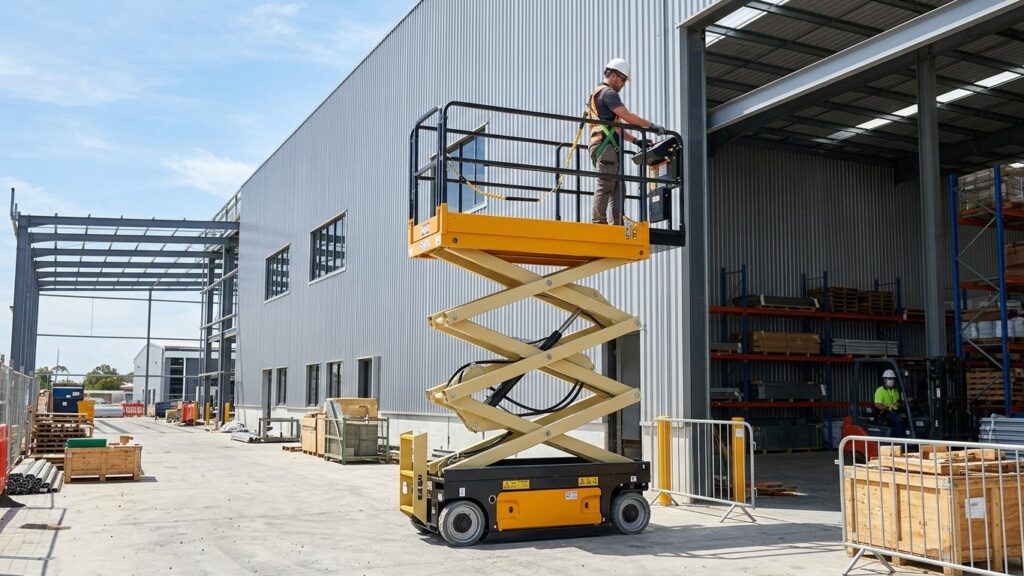
Working at height is a common part of many jobs. It could be a building project, warehouse maintenance, a roof repair, or a big installation. Sometimes you need a lift for only a few days. Scissor lift rentals offer a flexible, cost-effective way to get the equipment you need, without buying it. A scissor lift lifts people and tools straight up to a safe working height. This guide explains how scissor lift rentals work, how to choose the right size and type, and what to keep in mind before you rent.
What Is a Scissor Lift?
A scissor lift is a platform that raises workers straight up to a working height. It gets its name from the crisscrossing, accordion-like support structure that extends as the platform rises. Unlike a boom lift, which reaches up and out over obstacles, a scissor lift moves mostly vertically. It is ideal for jobs that need overhead access in a fairly open, level area.
Scissor lifts are popular because they are stable, easy to operate, and offer a large platform for both a worker and their tools. They are common in construction, warehousing, facility maintenance, and electrical and mechanical work.
Why Rent Instead of Buy?
Renting a scissor lift makes sense for many projects. In fact, scissor lift rentals are one of the most popular ways to handle short-term work at height. For one thing, renting saves money. Buying a lift is a big investment, and rental lets you pay only for the time you actually use it.
Renting is also flexible. You can choose a short-term or long-term rental to fit your schedule. If your project grows or your needs change, you can swap to a different size or type. This is much easier than owning equipment that may sit unused for months. Renting also means the equipment is maintained and inspected for you, so you do not have to handle upkeep.
Types of Scissor Lifts
Scissor lifts come in different types, and the right one depends on your work environment. Here are the main options:
- Electric scissor lifts. These run on batteries and produce no emissions. They are quiet and clean, which makes them a popular choice for indoor work, warehouses, and facilities.
- Rough-terrain scissor lifts. These have larger tires and stronger engines. They are built for outdoor construction sites with uneven ground.
- Mid-size and large scissor lifts. Broader platforms and higher reach are available for bigger jobs that need more space and height.
Choosing the right type depends on whether you work indoors or outdoors, and on how high and how much weight you need to handle.
How to Choose the Right Size
Getting the right size is one of the most important decisions in scissor lift rentals. First, think about working height. You must pick a lift that reaches high enough for your task. A common mistake is renting a lift that is just barely high enough, which limits you.
Next, consider platform capacity. You need to support the weight of the workers, tools, and materials they carry. Make sure the lift can handle everything you plan to put on the platform. Also, check the platform size. You want enough room to work comfortably and carry your equipment without feeling cramped.
Finally, consider the ground. If your site is uneven or off-road, you will need a rough-terrain model. If you work indoors on smooth floors, a narrow electric lift may fit better.
Before You Rent: Checklist
Taking a few steps before you rent helps the job go smoothly. First, plan your site. Make sure the area is clear, level, and wide enough for the lift to move around. Check for overhead obstacles, like wires or beams.
Next, review safety. Anyone operating a lift should be trained and familiar with the controls. Strap or secure tools, and ensure workers are properly protected. Many rental companies offer operator training, which is a smart idea for safe and compliant use.
Also, confirm the rental terms. Ask about delivery, pickup, the rental period, and what happens if you need it longer. Good scissor lift rentals come with clear terms and a helpful team. Expect a supplier to explain everything so there are no surprises.
Safety Tips for Using a Scissor Lift
Safety should always come first when working at height. Always do a pre-use inspection. Check the lift for damage, and make sure the controls and safety systems work. Never use a lift that is not in good condition.
Only trained operators should run the lift. Always wear a harness when required, and keep both feet on the platform. Do not stand on the rails or use the lift to reach beyond its limits. Also, keep the area clear of obstacles and stay off the lift during severe weather or high winds. These simple rules keep everyone safe.
Frequently Asked Questions
How much does a scissor lift rental cost?
Costs vary based on the type, size, rental length, and location. Electric indoor lifts are often smaller and cost less, while rough-terrain and larger lifts cost more. A rental company will give you a clear quote based on your needs.
How do I know what size scissor lift I need?
Consider the working height you need, the weight you will carry, and the platform space you require. Also, account for your ground and whether you work indoors or outdoors. These factors determine the right model.
Can I operate a scissor lift without training?
Scissor lifts should only be operated by trained, authorized people. Many rental companies offer operator training to help you run the lift safely and stay compliant. Training is recommended for both safety and insurance reasons.
What is the difference between a scissor lift and a boom lift?
A scissor lift raises the platform straight up, mostly vertically, and works best in open, level areas. A boom lift reaches up and out over obstacles, making it better for jobs with obstacles or hard-to-reach spots.
Are electric scissor lifts good for indoor work?
Yes. Electric scissor lifts run on batteries, produce no emissions, and run quietly. That makes them ideal for warehouses, facilities, and other indoor spaces where clean, quiet operation matters.
Can I use a scissor lift on rough or uneven ground?
For outdoor or uneven ground, you need a rough-terrain scissor lift. These have larger tires and stronger engines built for construction sites. Electric lifts are better suited to smooth, level indoor floors.
Conclusion
Scissor lift rentals give you a flexible, affordable way to reach any working height without the cost of buying equipment. By choosing the right type and size, planning your site, and following safety practices, you can get the job done safely and efficiently. The best approach is to compare a few options and pick a rental partner with well-kept equipment and helpful support. The key is to work with a rental company that offers well-maintained equipment, a fair and clear quote, and support like operator training when you need it. With the right scissor lift, you can complete your work at height with confidence and peace of mind.