
Trekking With Kids can turn an ordinary family holiday into a shared adventure filled with mountain views, village encounters and the satisfaction of reaching each day's...
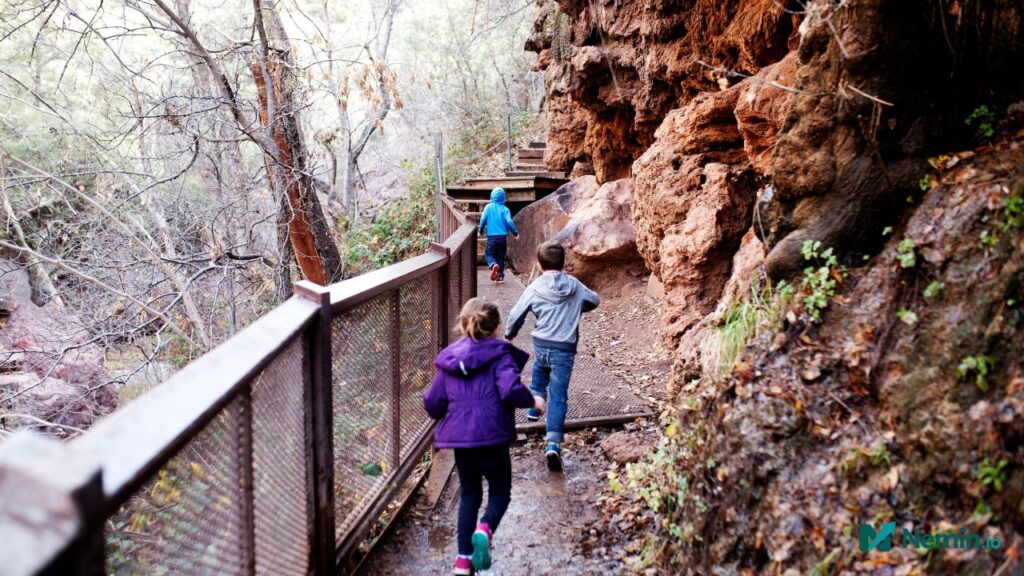
Trekking With Kids can turn an ordinary family holiday into a shared adventure filled with mountain views, village encounters and the satisfaction of reaching each day’s destination together. Nepal’s Ghandruk area is often considered more approachable than longer high-altitude Himalayan routes because families can design relatively short itineraries around established villages and accommodation while still enjoying impressive views toward the Annapurna region.
Trekking With Kids still requires more planning than an adults-only hike. A child’s age, walking experience, health, weather tolerance and enthusiasm should shape the itinerary rather than an ambitious parent’s preferred daily distance. On the Ghandruk Trail, slower pacing, appropriate footwear, flexible overnight stops and realistic expectations can make the difference between a memorable family journey and several exhausting days in the hills.
Why Trekking With Kids Can Be a Great Family Experience
Family travel often involves adults planning an itinerary while children follow it. Trekking changes that dynamic because everyone participates physically in moving from one destination to another.
Children notice details adults often overlook. A suspension bridge, mule train, colourful prayer flag, unusual insect or stone staircase may become as memorable to them as a mountain panorama.
Trekking With Kids also creates long stretches of time away from ordinary routines. Conversations happen naturally while walking, and reaching a village after several hours on the trail can create a shared sense of accomplishment.
The goal should not be to prove how far a child can walk. A successful family trek is one the child can enjoy safely and remember positively.
Why Ghandruk Works Well for Trekking With Kids
Ghandruk is a well-known Gurung village within Nepal’s Annapurna region. It sits at roughly 1,940 metres above sea level, although quoted elevations differ slightly among maps and sources.
Compared with trekking routes that climb above 4,000 or 5,000 metres, a Ghandruk-focused itinerary can keep sleeping elevations comparatively moderate. That can simplify some high-altitude considerations, though elevation, weather and exertion still deserve attention.
The region also has established trekking infrastructure. Depending on the chosen route, families can find guesthouses or teahouses rather than carrying tents and complete cooking systems.
For Trekking With Kids, that can significantly reduce logistical weight and provide a comfortable destination at the end of a walking day.
Understanding the Ghandruk Trail
There is not one single mandatory Ghandruk Trail itinerary. Ghandruk can be approached from different trailheads and combined with other nearby villages according to road access, walking ability and available time.
Many journeys begin after travelling from Pokhara toward an appropriate roadhead in the Annapurna region. Road conditions and access points change over time, so families should verify current arrangements locally rather than relying entirely on an older route description.
A short Ghandruk itinerary can focus on reaching the village, exploring locally and returning. Longer family routes may connect additional settlements where conditions and children’s abilities make that sensible.
Trekking With Kids Is Better With a Flexible Route
Flexibility becomes particularly valuable with children. One child may happily walk for four hours but become exhausted during an additional steep climb that looks minor on a map.
Instead of fixing every day around maximum distance, identify alternative stopping points. A guide familiar with family trekking can be valuable because they may know which villages offer appropriate accommodation and how long sections typically take at a child’s pace.
Trekking With Kids works best when the schedule can respond to the family rather than forcing the family to obey the schedule.
7 Practical Tips for Trekking With Kids on the Ghandruk Trail
Preparation should focus on comfort, safety and enjoyment rather than trying to eliminate every inconvenience. The following principles are useful for families considering their first Himalayan trek.
1. Build the Trek Around the Youngest Walker
Adults naturally walk faster and have longer strides. Older siblings can also create pressure on younger children to keep up.
The pace should normally be determined by the person with the least endurance.
When Trekking With Kids, estimate walking time conservatively and add breaks for water, snacks, photographs and curiosity. A route described as three hours for experienced adults may take a family considerably longer.
That is not a problem. The timetable should reflect reality.
2. Practise Walking Before Travelling to Nepal
Children do not need elite athletic conditioning for a short Ghandruk trek, but they should know what several hours of walking feels like before arriving.
Start with regular family walks at home. Gradually introduce hills and longer outings.
The purpose is not simply fitness. Training walks help parents discover whether shoes rub, backpacks feel uncomfortable or a child loses interest after a particular amount of time.
Trekking With Kids becomes much easier when those issues are discovered near home rather than halfway up a Himalayan trail.
3. Keep Backpacks Light
Children may enjoy the idea of carrying their own backpacks, but enthusiasm can disappear quickly when the bag becomes heavy.
A small daypack can hold a lightweight layer, water and perhaps a personal item. Adults or porters can carry heavier shared equipment where appropriate.
Avoid giving children unnecessary weight just to make the trek feel authentic.
For Trekking With Kids, preserving energy for walking is far more important than proving that every family member can carry substantial luggage.
4. Choose Proper Footwear Before the Trip
Brand-new hiking boots should not make their first appearance on departure morning.
Children should wear footwear that fits correctly, offers appropriate grip and has already been tested on several walks.
Feet grow quickly, so old boots from the previous year should be checked carefully rather than assumed to still fit.
On the Ghandruk Trail, surfaces may include stone steps, dirt, mud and wet sections. Good footwear helps, but children should still slow down where surfaces become slippery.
5. Use Snacks as Energy Rather Than Bribes
Regular meals and snacks help maintain energy during active days.
Carry familiar snacks that children will genuinely eat. Depending on dietary needs, these might include fruit, dried fruit, simple biscuits, energy-dense foods or other travel-friendly options.
Trekking With Kids should not become a constant negotiation in which every kilometre requires a reward.
Instead, plan natural snack breaks at viewpoints, villages or comfortable resting areas. This provides structure and gives children manageable intermediate goals.
6. Start Walking Early Without Rushing
Morning starts can provide cooler temperatures and more time to handle unexpected delays.
Families do not need to race out of the lodge before sunrise unless the itinerary genuinely requires it.
After breakfast, begin at a comfortable time and preserve enough daylight for the planned route.
When Trekking With Kids, a generous schedule removes pressure. If someone wants to watch animals beside the trail for ten minutes, the family can allow it without worrying about reaching the next lodge after dark.
7. Let Children Participate in the Adventure
Give children appropriate choices.
They might select the next snack stop, carry a simple map, photograph flowers or help count trail markers.
Older children can learn basic navigation concepts while still remaining under adult supervision.
Trekking With Kids becomes more engaging when children feel they are participants rather than luggage moving between hotels.
How Difficult Is Trekking With Kids in Ghandruk
A Ghandruk-focused trek is often described as relatively accessible, but easy is a misleading word.
The area includes substantial ascents and descents. Stone staircases can be tiring, particularly for children with little hiking experience.
Weather can transform trail conditions quickly.
A dry stone path can become slippery when wet, while heat can make uphill sections feel much harder.
Families should think in terms of manageable rather than easy.
Physical Difficulty Versus Technical Difficulty
Typical Ghandruk trekking does not require technical mountaineering.
The challenge comes mainly from repeated walking on uneven terrain and climbing or descending hills.
This makes Trekking With Kids possible for many active families without climbing experience.
However, suitability remains individual. A child who regularly hikes may find the route exciting, while another of the same age may find it overwhelming.
Age alone is not a reliable measure of readiness.
A Family-Friendly Ghandruk Itinerary
A family itinerary should prioritise shorter walking days and opportunities to explore.
Exact routes depend on current road access, accommodation and trail conditions, so families should confirm the plan with a reputable local operator or guide.
An illustrative schedule could look like this.
| Day | General plan | Family focus |
|---|---|---|
| Day 1 | Pokhara and preparation | Rest, equipment check and early night |
| Day 2 | Transfer toward trailhead and begin walking | Short introductory hiking day |
| Day 3 | Continue toward Ghandruk | Slow climbing with regular breaks |
| Day 4 | Explore Ghandruk | Cultural activities and recovery |
| Day 5 | Begin return or continue chosen circuit | Comfortable walking pace |
| Day 6 | Return toward Pokhara | Flexible transport and rest |
This is a framework rather than a fixed commercial itinerary.
Trekking With Kids should allow changes when weather, health or energy levels require them.
How Many Days Should Families Allow
Shorter is not always easier.
Trying to compress the route into minimal time may create longer daily walking periods and reduce flexibility.
Families new to Trekking With Kids can benefit from an extra night in or around Ghandruk. It provides recovery time and allows children to experience the village rather than arriving late and leaving immediately the next morning.
An additional buffer day in the wider Nepal itinerary can also be useful.
Mountain transport and weather do not always follow holiday schedules.
Best Age for Trekking With Kids in Nepal
There is no universally correct minimum age for a Ghandruk trek.
A child’s ability to walk independently, follow safety instructions, communicate discomfort and adapt to unfamiliar accommodation matters considerably.
Very young children create different logistical requirements because adults may need to carry them for substantial distances.
Older children can participate more independently but still require close supervision.
Parents considering Trekking With Kids should evaluate the specific child rather than comparing them with another family seen online.
Medical Preparation for Trekking With Kids
Families should discuss significant medical concerns with a qualified healthcare professional before travelling, particularly where children have asthma, allergies, heart conditions or other relevant health issues.
Routine travel health preparation should also reflect current guidance for Nepal.
Carry any prescribed medication in sufficient quantity, along with clear instructions.
Do not assume mountain villages will stock a particular paediatric medicine or formulation.
Trekking With Kids becomes safer when common health needs are anticipated before leaving Pokhara.
Altitude and Trekking With Kids
A Ghandruk-focused trip remains much lower than Everest Base Camp or many high-pass routes, but altitude should still be approached responsibly.
Children can experience altitude illness, and symptoms may be harder to identify if a young child cannot describe how they feel clearly.
Parents should watch for unusual behaviour, headache, nausea, excessive fatigue or other concerning changes.
If symptoms suggest altitude illness, seek qualified medical or guide advice. Do not continue ascending simply because accommodation has already been booked.
Children Are Not Protected From Altitude
Being young or energetic does not guarantee immunity.
Likewise, adults who have previously tolerated altitude cannot assume their child will respond identically.
Trekking With Kids requires conservative decisions because children may communicate physical symptoms differently.
A lower itinerary such as Ghandruk can be appealing partly because it avoids the extreme sleeping elevations of many famous Nepal treks.
Weather on the Ghandruk Trail
Mountain weather can change quickly.
Families may experience sunshine, cloud, rain and cold conditions within the same trip, particularly across transitional seasons.
Layered clothing allows children to adjust more easily than relying on one thick jacket.
Pack rain protection even when the forecast appears favourable.
Trekking With Kids becomes uncomfortable quickly when children’s clothes become wet and there is no dry insulating layer available.
Best Seasons for Trekking With Kids Around Ghandruk
Spring and autumn are widely regarded as principal trekking periods in much of the Annapurna region.
Spring can bring flowering rhododendrons in suitable areas, while autumn often attracts trekkers seeking clearer post-monsoon mountain views.
Conditions still vary from year to year and day to day.
The monsoon creates wetter trails and reduced visibility, while winter can bring colder temperatures and occasional snow at higher points.
For Trekking With Kids, choose dates based on family comfort as well as scenery.
Packing for Trekking With Kids
Family packing requires restraint. Parents often prepare for every imaginable scenario and end up carrying far too much.
Prioritise items that directly support warmth, dryness, hydration, health and comfort.
A practical family kit can include suitable layered clothing, rain shells, hats, sunscreen, sunglasses, comfortable footwear, spare socks, water containers, basic toiletries, personal medication and a compact first-aid kit.
Children should have a complete dry clothing set protected from rain.
A favourite small comfort item can also make unfamiliar sleeping environments easier.
Clothing Layers for Children
Children often alternate quickly between feeling hot while climbing and cold during rest stops.
A layered system makes adjustment straightforward.
A moisture-managing base layer can sit under an insulating layer and weather-resistant outer shell. The exact clothing weight depends on season and expected conditions.
During Trekking With Kids, adults should check younger children’s comfort rather than assuming they will always ask to add or remove clothing.
Rain Gear Is Essential
A lightweight waterproof jacket with an appropriate hood can prevent a passing shower from ending the day’s enjoyment.
Depending on the season, waterproof trousers can also be useful.
Backpack rain covers provide some protection, but important dry clothing and electronics can benefit from internal waterproof bags or liners.
On wet stone steps, speed should drop significantly.
No footwear makes slippery surfaces risk-free.
Trekking Poles for Children
Poles can provide balance on uneven trails and reduce some load during descents when used properly.
Children need appropriately sized poles and basic instruction rather than simply receiving adult equipment that is too long.
They should also learn not to wave poles around other walkers.
Trekking With Kids involves teaching trail etiquette alongside hiking skills.
Food on the Ghandruk Trail
Teahouses and guesthouses typically provide meals, although menus and availability vary.
Dal bhat is a familiar staple across Nepal, while noodle, rice, potato, egg and other dishes are commonly available in trekking areas.
Children may initially prefer familiar foods.
That is acceptable.
Trekking With Kids is not the ideal time to turn every meal into a challenge about adventurous eating.
Make sure children consume enough energy and fluids to support the day’s activity.
Drinking Water and Family Trekking
Safe drinking water requires planning.
Water from an untreated source should not simply be assumed potable.
Depending on local conditions and current recommendations, families may use treated or reliably provided drinking water.
Reusable bottles can reduce reliance on disposable plastic.
Water-treatment methods differ, and parents should select an approach appropriate for children and follow manufacturer instructions carefully.
A guide can explain current local options.
Toilets and Hygiene
Facilities along trekking routes can differ from what children use at home.
Preparing them in advance can reduce anxiety.
Carry toilet paper or tissues, hand-cleaning supplies and a small personal hygiene kit where appropriate.
Teach children not to leave wipes or rubbish along the trail.
Trekking With Kids provides a useful opportunity to introduce responsible outdoor habits in a real environment.
Accommodation in Ghandruk
Ghandruk offers guesthouses and lodges catering to trekkers, though standards differ.
Rooms are generally simpler than full-service hotels.
Families should ask about room arrangements before arrival, particularly when travelling with several children.
Questions worth confirming include private or shared bathroom arrangements, bedding, hot water and meal availability.
Trekking With Kids becomes easier when parents know what level of comfort to expect.
Should Families Hire a Guide
A local guide can simplify route decisions, accommodation arrangements and communication.
For families new to Nepal, this support can be especially useful.
Guides can also provide cultural context that transforms villages and landscapes from scenery into meaningful places.
Current Nepal trekking rules and guide requirements can change and may vary by route. Before Trekking With Kids, verify the latest requirements through Nepal’s official tourism authorities and a properly registered trekking agency.
Should Families Hire a Porter
A porter can reduce the physical load carried by parents.
This is particularly helpful when adults already need to monitor children closely.
Hiring responsibly matters.
Use reputable operators that follow appropriate porter welfare practices, including suitable load management, equipment and working conditions.
Trekking With Kids should not become easier for a family by placing unreasonable demands on someone else.
Trail Etiquette With Children
Popular Nepal trekking trails are shared by hikers, residents and pack animals.
Children should learn to make space and follow adult instructions.
When animals approach, families should move to the safer side of the trail according to local guidance rather than standing near an exposed edge.
Never encourage children to touch unfamiliar animals.
A calm family is easier for other trail users to pass safely.
Animals on the Ghandruk Trail
Mules, horses or other animals may appear on transport routes.
Children often find them exciting.
Observe from a safe position and follow a guide’s instructions.
Pack animals can move unpredictably and may carry wide loads.
Trekking With Kids means treating animal encounters as safety situations as well as memorable moments.
Stone Steps and Descents
The Annapurna region is famous for stone stairways.
Children may handle uphill walking surprisingly well but struggle during prolonged descents, which place different demands on muscles and balance.
Take short breaks before fatigue affects coordination.
Descending quickly to finish early is rarely worthwhile.
For Trekking With Kids, controlled movement matters more than keeping an adult hiking pace.
Sun Protection at Elevation
UV exposure can be strong in mountain environments.
Children should use appropriate sunscreen and protective clothing according to health guidance.
A brimmed hat and suitable sunglasses can add protection.
Cloud cover does not mean ultraviolet exposure disappears.
Reapplication can be easy to forget during a long walking day, so parents may incorporate sunscreen into regular rest stops.
Keeping Children Motivated
Children often respond better to short goals than distant destinations.
Instead of saying there are another four hours to walk, focus on reaching the next bridge, village or rest point.
Stories and observation games can help.
Ask children to identify birds, count colourful doors or photograph five interesting plants without touching them.
Trekking With Kids becomes engaging when the trail itself provides entertainment.
Avoid Depending on Screens for Every Break
A tablet can be useful during travel days and evenings, but relying on a screen at every hiking break can make restarting difficult.
Encourage children to engage with the environment.
At the lodge, a small card game, journal or drawing book can provide simple entertainment.
There is no need to turn Trekking With Kids into a digital detox competition, either. Balance is more realistic than rigid rules.
Teaching Children About Ghandruk Culture
Ghandruk is not a theme park built for trekkers.
It is a living village associated strongly with Gurung culture and history.
Families should encourage children to behave respectfully around homes, religious places and community spaces.
Ask before photographing people closely.
Learning a few polite Nepali expressions can also make interactions more engaging for children, even when they are far from fluent.
Responsible Trekking With Kids
Family travel provides an opportunity to teach environmental responsibility.
Children can carry a small personal rubbish bag and learn that snack wrappers remain with them until a suitable disposal point is available.
Avoid unnecessary single-use items when practical.
Do not pick wildflowers or disturb animals for photographs.
Trekking With Kids can become a practical lesson in leaving places as they were found.
Safety Around Rivers and Bridges
Mountain trails can include streams, rivers and suspension bridges.
Children should cross under close adult supervision.
Running, leaning over barriers or deliberately shaking bridges should be discouraged.
If a bridge is busy, follow local instructions and allow adequate space.
Parents should prioritise safety over obtaining dramatic photographs.
What to Do if a Child Is Too Tired
Stop and assess the situation.
Fatigue may simply require food, water and rest, but it can also accompany illness or another problem.
Do not shame a child for being tired.
If continuing is unreasonable, use the itinerary’s flexibility and seek local guidance about alternatives.
This is why short days and realistic stops are central to Trekking With Kids.
Travel Insurance for Family Trekking
Ordinary family travel insurance may not automatically cover trekking at every elevation.
Policies can contain altitude limits, exclusions for remote trekking or conditions relating to guides and evacuation.
Read the policy wording before departure.
Make sure every family member is appropriately covered for the planned activity and maximum elevation.
Emergency arrangements should not depend solely on the assumption that helicopter evacuation will always be immediately available.
Connectivity and Electronics
Mobile coverage and internet access can be inconsistent.
Parents should not rely entirely on connectivity for navigation or emergency planning.
A power bank can help keep phones available for essential use.
Cold weather can affect battery performance.
A guide or operator should also have an appropriate communication plan for the route.
Trekking With Kids requires more redundancy than an ordinary city holiday.
Budgeting for Trekking With Kids
A family trek includes more costs than accommodation.
Transport, guide and porter services, meals, permits where applicable, insurance, equipment and contingency funds should all be considered.
Children’s pricing can vary between accommodation providers and services.
Ask the operator for an itemised quotation.
The cheapest Trekking With Kids package is not automatically the best value if it creates long walking days or cuts important logistical support.
Photography With Children
Give older children a small camera or allow supervised phone photography.
This creates their own record of the journey.
The photographs children choose are often very different from those adults take.
One may photograph mountain peaks, while another documents dogs, food and doorways.
That personal perspective is part of what makes Trekking With Kids memorable.
Common Trekking With Kids Mistakes
Overambitious itineraries are the most frequent problem.
Parents sometimes choose routes based on what they personally completed before having children and assume the family can maintain the same pace.
Other mistakes include heavy children’s backpacks, new footwear, insufficient rain protection, inadequate snacks and ignoring early signs of fatigue.
The solution is rarely more discipline.
It is better planning.
When Ghandruk May Not Be Right for a Family
Not every child enjoys sustained walking.
A family should not choose a multi-day trek simply because the adults want one.
Likewise, significant health conditions may require alternative plans after professional medical advice.
Nepal offers many family experiences outside multi-day trekking.
Choosing not to pursue Trekking With Kids on a particular trip is completely reasonable if circumstances do not support it.
How to Prepare Children Mentally
Explain the trip realistically.
Tell them there will be hills, simple rooms, unfamiliar food and times when walking feels difficult.
Also explain what makes it exciting.
Show photographs of villages and mountain views, involve children in choosing gear and practise walking together.
Trekking With Kids becomes less intimidating when children understand what the adventure will actually involve.
Turning the Ghandruk Trail Into a Learning Experience
The trail can connect geography, culture and environmental learning.
Children can observe how altitude influences vegetation, how villages adapt to mountain terrain and how goods move through areas with limited road access.
Keep these conversations informal.
A family holiday should not feel like compulsory schoolwork.
Curiosity is enough.
Is Ghandruk Better Than Higher Nepal Treks for Families
For many first-time trekking families, a shorter Ghandruk-focused route can be more approachable than extreme high-altitude destinations.
That does not mean it is universally better.
Experienced families with older children may choose different routes after appropriate preparation.
Trekking With Kids should progress according to demonstrated ability rather than prestige.
There is no prize for selecting the highest possible destination.
Creating a Family Emergency Plan
Parents should know what they will do if illness, injury or severe weather changes the itinerary.
Carry important medical and insurance information.
Ensure the guide or operator knows about relevant allergies and medical conditions.
Keep emergency funds accessible.
A plan does not make an emergency more likely. It simply reduces confusion if circumstances change.
Why Slow Trekking Often Creates Better Memories
Children rarely remember average walking speed.
They remember feeding time at a village lodge, mist lifting from the mountains, hot chocolate after rain or laughing during a long staircase.
A slower itinerary creates room for those moments.
Trekking With Kids succeeds when the journey itself is treated as the holiday rather than an obstacle between overnight stops.
FAQ’s
Is Trekking With Kids safe on the Ghandruk Trail?
Trekking With Kids can be suitable on a carefully planned Ghandruk itinerary, but safety depends on weather, health, supervision, trail conditions, pacing and appropriate preparation.
What age is suitable for Trekking With Kids in Ghandruk?
There is no universal ideal age. Walking experience, maturity, health and ability to communicate discomfort are more useful indicators than age alone.
How difficult is Trekking With Kids around Ghandruk?
The route is non-technical but can involve prolonged climbs, descents and stone stairs. Short daily distances and regular breaks make it more manageable for prepared families.
What should families pack for the Ghandruk Trail?
Pack layered clothing, rain protection, tested footwear, spare socks, sun protection, water containers, personal medication and enough dry clothing for changing mountain conditions.
Do families need a guide for Trekking With Kids in Nepal?
Requirements can vary by route and current Nepal regulations. Families should verify current rules, while a qualified local guide can also provide valuable logistical and safety support.
When is the best time for Trekking With Kids in Ghandruk?
Spring and autumn are popular trekking seasons, but conditions vary. Families should choose dates according to current weather, trail conditions and children’s tolerance for heat or cold.
Conclusion
Trekking With Kids on the Ghandruk Trail can give families an accessible introduction to Nepal’s Himalayan landscape without committing to the extreme elevations of the country’s highest trekking routes. Established villages, dramatic Annapurna views and flexible itinerary options make the region appealing, but the experience works best when children’s comfort and ability determine each day’s pace.
Successful Trekking With Kids is less about kilometres completed than how the family experiences them together. Prepare with walks at home, keep backpacks light, use tested footwear, allow generous breaks and remain willing to change plans when weather or energy levels demand it. With patient pacing and responsible preparation, Ghandruk can become the kind of family adventure children remember long after their hiking shoes have been outgrown.