
A journey to Everest Base Camp is one of Nepal's most recognisable trekking experiences, taking hikers through the Khumbu region toward the foot of the world's highest...
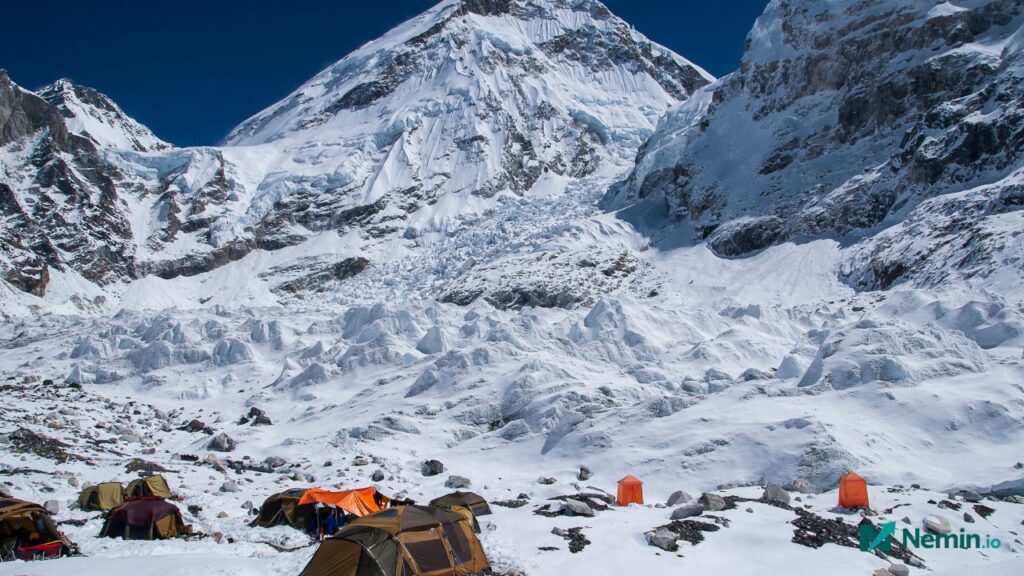
A journey to Everest Base Camp is one of Nepal’s most recognisable trekking experiences, taking hikers through the Khumbu region toward the foot of the world’s highest mountain. Yet Everest represents only part of Nepal’s extraordinary trekking landscape. Annapurna, Manaslu, Langtang and other Himalayan regions offer dramatically different combinations of elevation, culture, scenery, remoteness and physical challenge.
Planning a journey to Everest Base Camp or another high-altitude Nepal trek requires more than choosing the most spectacular photographs. Altitude acclimatisation, weather, permits, route access, guide requirements, fitness, insurance and seasonal conditions can all affect a trip. This guide compares five outstanding trekking routes while giving the journey to Everest Base Camp the detailed preparation it deserves.
Why Trekking in Nepal Is an Adventure Like No Other
Nepal contains eight of the world’s fourteen mountains above 8,000 metres, including Mount Everest, known as Sagarmatha in Nepali and Chomolungma in Tibetan.
For trekkers, however, Nepal’s appeal is not limited to summit statistics.
Trails pass through mountain settlements, forests, river valleys, high passes and landscapes influenced by Buddhist and Hindu traditions. Teahouse trekking also allows travellers on many popular routes to stay in local lodges rather than carrying full camping systems.
A journey to Everest Base Camp combines these characteristics particularly well. Trekkers experience Sherpa communities, monasteries, suspension bridges, glacial landscapes and increasingly dramatic mountain scenery as they move deeper into the Khumbu.
What Makes a Journey to Everest Base Camp Special
Everest Base Camp is not the summit of Everest, and the trek should not be confused with a mountaineering expedition.
The standard journey to Everest Base Camp reaches the Nepal-side base camp at approximately 5,364 metres. The trek does not require technical climbing on the usual approach route, although altitude, cold, rough terrain and extended days of walking make it physically demanding.
Many itineraries also include Kala Patthar, a high viewpoint above Gorak Shep commonly visited for expansive views toward Everest and neighbouring peaks.
Exact elevations can vary slightly by mapping source and measurement method.
Top 5 Trekking Routes in Nepal for Adventure Seekers
Nepal offers hundreds of possible routes, but five stand out for their combination of scenery, cultural experience and established trekking appeal.
| Trek | Highest commonly reached point | Typical character | Main challenge |
|---|---|---|---|
| Everest Base Camp | About 5,364 m at base camp | Iconic high Himalaya and Sherpa culture | High altitude |
| Annapurna Circuit | About 5,416 m at Thorong La | Diverse landscapes and major mountain pass | Altitude and long pass day |
| Manaslu Circuit | About 5,106 m at Larkya La | Remote mountain circuit | Altitude, logistics and access rules |
| Langtang Valley | Common itineraries vary | Accessible Himalayan valley | Altitude and mountain conditions |
| Annapurna Base Camp | About 4,130 m | Mountain amphitheatre | Repeated ascents and descents |
Routes, trail conditions and regulations can change. Trekkers should verify current information with Nepal’s relevant authorities and qualified local operators before departure.
1. Journey to Everest Base Camp
For many travellers, a journey to Everest Base Camp is the trek that first inspires a visit to Nepal.
The standard route generally begins after reaching Lukla, then follows the Dudh Koshi valley through settlements such as Phakding before climbing toward Namche Bazaar.
From Namche, the trail continues farther into the Khumbu through destinations that commonly include Tengboche, Dingboche, Lobuche and Gorak Shep.
The journey to Everest Base Camp then reaches the famous base-camp area near the Khumbu Glacier before trekkers retrace or modify their return route.
Typical Journey to Everest Base Camp Route
A well-paced itinerary normally includes acclimatisation rather than rushing continuously uphill.
A representative journey to Everest Base Camp may progress through:
- Kathmandu
- Lukla
- Phakding
- Namche Bazaar
- Acclimatisation around Namche
- Tengboche or nearby settlement
- Dingboche
- Acclimatisation around Dingboche
- Lobuche
- Gorak Shep
- Everest Base Camp
- Kala Patthar where conditions and itinerary permit
- Return through the Khumbu
- Lukla
This is illustrative rather than a mandatory itinerary.
Trail conditions, weather, health and logistical factors may require changes.
Namche Bazaar on the Journey to Everest Base Camp
Namche Bazaar is one of the most important stops in the Khumbu.
The settlement sits high above the river valley and provides accommodation, shops, food and other trekking services.
For many itineraries, Namche also functions as an acclimatisation location.
A rest day does not necessarily mean remaining inactive. Many trekkers take an acclimatisation walk to a higher elevation before returning to sleep lower.
This follows the general high-altitude principle of allowing gradual adaptation.
Tengboche and Himalayan Culture
The journey to Everest Base Camp passes through a landscape with strong Sherpa and Tibetan Buddhist cultural influences.
Tengboche is particularly well known for its monastery and mountain setting.
Trekkers should treat monasteries, prayer structures and communities as living cultural environments rather than simply photographic attractions.
Following local guidance about dress, photography and behaviour supports a more respectful trekking experience.
Dingboche and Acclimatisation
By the time trekkers reach Dingboche, elevation has become a major consideration.
Many journey to Everest Base Camp itineraries include an additional acclimatisation day here.
This provides time for the body to respond before ascending toward Lobuche and Gorak Shep.
Acclimatisation cannot guarantee that a person will avoid altitude illness, but gradual ascent is an important risk-reduction measure.
Everest Base Camp Altitude Explained
Altitude is the defining physical challenge of a journey to Everest Base Camp.
Everest Base Camp itself sits above 5,000 metres, where atmospheric pressure and available oxygen are substantially lower than at sea level.
Even very fit people can develop altitude illness.
Physical fitness does not provide immunity.
Common Altitudes on a Journey to Everest Base Camp
Approximate elevations help illustrate how quickly the landscape changes.
| Location | Approximate elevation |
|---|---|
| Lukla | 2,860 m |
| Namche Bazaar | 3,440 m |
| Tengboche | 3,860 m |
| Dingboche | 4,410 m |
| Lobuche | 4,940 m |
| Gorak Shep | 5,164 m |
| Everest Base Camp | 5,364 m |
| Kala Patthar | Around 5,545 m |
Figures can vary slightly among maps and sources.
The important point is that the journey to Everest Base Camp spends multiple days at elevations where altitude illness is a genuine concern.
Altitude Sickness on the Journey to Everest Base Camp
Acute mountain sickness can occur when someone ascends to high altitude faster than their body can adequately acclimatise.
Symptoms can include headache accompanied by other problems such as nausea, dizziness, unusual fatigue or sleep disturbance.
More serious altitude illnesses can affect the brain or lungs and can become life-threatening.
Trekkers should receive appropriate medical guidance before undertaking a journey to Everest Base Camp and understand how to recognise warning signs.
Never Ignore Worsening Symptoms
A person with signs of serious altitude illness should not continue ascending simply to maintain an itinerary.
Descent and medical assessment may become necessary.
Emergency decisions should follow qualified medical or guide advice and accepted high-altitude safety practices.
The journey to Everest Base Camp is optional. Health is not.
Medication and Altitude
Some travellers discuss acetazolamide with a doctor as part of altitude planning.
Medication is not a substitute for a sensible ascent profile.
Individual medical history, contraindications and dosing require professional medical guidance.
Before a journey to Everest Base Camp, travellers with health concerns should consult a healthcare professional familiar with high-altitude travel.
Best Time for a Journey to Everest Base Camp
Spring and autumn are commonly considered the principal trekking seasons in the Everest region.
Spring generally includes the pre-monsoon period, while autumn follows the summer monsoon.
These seasons are popular because they can provide a favourable combination of trail conditions and mountain visibility.
However, Himalayan weather is never guaranteed.
Spring Journey to Everest Base Camp
Spring can bring increasingly mild conditions at lower elevations while high elevations remain cold.
The Everest climbing season also typically creates additional expedition activity around base camp during part of spring.
A journey to Everest Base Camp at this time can feel particularly energetic.
Popular dates can also mean busier trails and lodges.
Autumn Journey to Everest Base Camp
Autumn is another highly popular trekking period.
Post-monsoon conditions can provide excellent mountain visibility, although daily weather still varies.
Demand for flights, guides and accommodation can be high.
Travellers planning an autumn journey to Everest Base Camp should arrange important logistics well in advance.
Winter and Monsoon Trekking
Winter can mean colder temperatures, snow and more demanding high-altitude conditions.
The summer monsoon brings cloud, precipitation and transport complications, though rainfall patterns vary with location.
A journey to Everest Base Camp outside peak periods requires suitable expectations, equipment and current local advice.
Weather can change quickly in mountains regardless of season.
Lukla Flights and the Journey to Everest Base Camp
Many conventional itineraries use a flight to Lukla.
Mountain aviation is highly weather dependent.
Flights can be delayed, diverted or cancelled, potentially affecting both the beginning and end of a journey to Everest Base Camp.
Travellers should avoid scheduling a tight international connection immediately after their expected return from Lukla.
Building buffer days into the overall Nepal itinerary can provide valuable flexibility.
Alternative Access to the Everest Region
Not every journey to Everest Base Camp has to begin with the same flight sequence.
Longer overland and trekking approaches may be possible depending on current road access, trail conditions and itinerary.
These options require more time.
Travellers should discuss contemporary access options with a reputable Nepal-based trekking operator because transport arrangements evolve.
How Difficult Is the Journey to Everest Base Camp
The standard journey to Everest Base Camp is usually described as a strenuous high-altitude trek rather than a technical climb.
No specialist mountaineering skills are normally required on the standard trekking trail under ordinary conditions.
That does not mean it is easy.
Trekkers face:
- Multiple consecutive walking days
- Significant altitude
- Steep ascents and descents
- Rocky and uneven trails
- Cold temperatures
- Changing weather
- Limited comforts at higher elevations
- Potential transport disruption
- Physical fatigue
The challenge comes from accumulation rather than one technical obstacle.
Fitness for the Journey to Everest Base Camp
Training should focus on sustained walking ability.
Regular hiking, especially on hills, can prepare the legs and feet for repeated trekking days. Cardiovascular training and strength work can also be useful.
Carrying the pack you expect to use helps make training more realistic.
No training program can reproduce high-altitude physiology at sea level, but good conditioning can reduce the ordinary muscular and cardiovascular burden of a journey to Everest Base Camp.
Packing for a Journey to Everest Base Camp
Packing needs vary by season, accommodation arrangement and whether a porter carries the main duffel.
Layering is particularly important because temperatures can differ dramatically between sunny daytime walking and cold evenings.
A practical packing list can include:
- Supportive trekking footwear
- Trekking socks
- Moisture-managing base layers
- Insulating mid layers
- Warm insulated jacket
- Waterproof shell
- Trekking trousers
- Warm hat
- Sun hat
- Gloves
- Sunglasses with suitable UV protection
- Sunscreen
- Headlamp
- Trekking poles
- Water bottles or hydration system
- Sleeping bag appropriate to expected conditions
- Personal first-aid items
- Prescribed medication
- Power bank
- Toiletries
- Travel documents
- Water-treatment method
A journey to Everest Base Camp does not require packing for an Everest summit expedition.
Excess weight creates its own problems.
Food and Water on the Journey to Everest Base Camp
Teahouses along the established route offer meals and drinks.
Menus become more logistically challenging to supply as elevation and remoteness increase.
Dal bhat, soups, noodles, rice dishes, potatoes and other meals are commonly encountered, although availability varies.
During a journey to Everest Base Camp, maintaining adequate food and fluid intake is important.
Safe Drinking Water
Untreated water should not simply be assumed safe.
Trekkers can use appropriately treated water according to current local guidance and their chosen treatment method.
Single-use plastic reduction is also an important consideration in mountain regions where waste management is difficult.
A reusable bottle combined with suitable treatment can be a practical approach on a journey to Everest Base Camp.
Accommodation on the Journey to Everest Base Camp
The standard route is famous for teahouse accommodation.
These locally operated lodges provide rooms and meals, allowing trekkers to travel without carrying camping equipment.
Facilities generally become simpler at higher elevation.
A journey to Everest Base Camp should not be approached with luxury hotel expectations, even though some locations offer higher-comfort accommodation.
Hot showers, charging and Wi-Fi may involve additional charges or become less reliable as the route ascends.
Permits for a Journey to Everest Base Camp
Permit requirements can change, so travellers should verify current rules before departure.
The Everest region has conservation, park and local administrative requirements that can apply depending on the route and current regulations.
Sagarmatha National Park is a UNESCO World Heritage property and covers much of the high Everest region.
A journey to Everest Base Camp should be planned using current information from Nepal’s relevant government authorities or a reputable registered trekking agency.
Do not rely on an old blog post for permit rules.
Guides for the Journey to Everest Base Camp
Nepal has changed trekking rules for guides and independent trekkers in recent years, with route-specific implementation and exceptions requiring careful attention.
The Everest region has had distinct local arrangements compared with some other trekking areas.
Because these requirements can evolve, travellers planning a journey to Everest Base Camp should confirm the current situation directly with Nepalese authorities and local route authorities.
Even where independent trekking is permitted, a qualified local guide can provide navigation, logistics, cultural context and support during unexpected situations.
2. Annapurna Circuit Trek
The Annapurna Circuit offers a very different Himalayan experience.
Its classic form crosses diverse landscapes before reaching Thorong La, a high mountain pass at approximately 5,416 metres.
Road construction has changed parts of the traditional route over time, but alternative trail sections and itinerary variations continue to make the region attractive.
Compared with a journey to Everest Base Camp, the Annapurna Circuit can offer greater landscape diversity and a circuit-style sense of progression.
Thorong La
Thorong La is the major high point and challenge.
The crossing requires good acclimatisation, suitable weather and an early start according to local conditions and guide advice.
At roughly the same broad altitude range as the highest trekking viewpoints on a journey to Everest Base Camp, altitude remains a serious factor.
Weather can make the pass dangerous.
Trekkers should never force a crossing against credible local safety advice.
3. Manaslu Circuit Trek
The Manaslu Circuit appeals to trekkers seeking a more remote experience.
The route circles the Manaslu massif and typically crosses Larkya La, a high pass above 5,000 metres.
Villages, river valleys and dramatic mountain terrain give the route a distinct character.
Compared with the journey to Everest Base Camp, infrastructure can feel less intensive in parts of the Manaslu region.
Permits and Guide Requirements
The Manaslu region includes restricted-area regulations.
Permit and guide requirements are important components of planning.
Rules and fees can change, so trekkers should use current official information and a properly registered operator.
Anyone comparing Manaslu with a journey to Everest Base Camp should account for these logistical differences before choosing between them.
4. Langtang Valley Trek
Langtang is relatively accessible from Kathmandu compared with routes requiring flights into the Everest region.
The valley offers mountain scenery, forests and communities with strong cultural connections to the Himalayan borderlands.
It can suit trekkers who have less time than a conventional journey to Everest Base Camp requires.
That does not make Langtang risk-free.
The region has steep mountain terrain and was severely affected by the 2015 Nepal earthquake. Visitors should travel respectfully and remain aware that mountain hazards continue to exist.
Langtang Versus Journey to Everest Base Camp
The two experiences are different rather than hierarchical.
The journey to Everest Base Camp offers globally famous mountain landmarks and the culture of the Khumbu. Langtang provides a more compact itinerary with road-based access from Kathmandu.
The better choice depends on time, budget, altitude experience and preferred atmosphere.
5. Annapurna Base Camp Trek
Annapurna Base Camp is another classic Nepal trek.
The route enters a dramatic mountain amphitheatre surrounded by major Himalayan peaks.
At approximately 4,130 metres, Annapurna Base Camp is significantly lower than Everest Base Camp but remains high enough for altitude considerations.
Compared with the journey to Everest Base Camp, the Annapurna Base Camp trek can generally be completed in less time depending on route design.
Why Choose Annapurna Base Camp
The trek combines villages, forests and increasingly close mountain scenery.
For travellers who want a base-camp destination but cannot allocate enough time for a typical journey to Everest Base Camp, it can be an attractive alternative.
Seasonal hazards, including snow and avalanche conditions in parts of the route, require current local assessment.
No Himalayan trek should be treated as completely predictable.
Comparing Nepal’s Five Great Treks
Choosing the right route requires matching the trek to the traveller.
Someone with two weeks available may have different options from someone with only one.
Likewise, prior altitude experience can influence comfort with a journey to Everest Base Camp or a high-pass circuit.
| Priority | Trek worth considering |
|---|---|
| Iconic Everest experience | Journey to Everest Base Camp |
| High mountain pass and varied landscapes | Annapurna Circuit |
| Remote circuit atmosphere | Manaslu Circuit |
| Shorter access from Kathmandu | Langtang Valley |
| Himalayan base-camp setting at lower maximum altitude | Annapurna Base Camp |
This comparison is not a difficulty guarantee.
Conditions can make any mountain route considerably harder.
Journey to Everest Base Camp Cost Factors
There is no single universal cost.
Budget depends on trekking style, itinerary length, guide and porter services, flights, season, accommodation, insurance, equipment and personal spending.
Instead of relying on a fixed online figure, travellers should understand the cost categories.
A journey to Everest Base Camp budget may include:
- International flights
- Nepal entry requirements
- Domestic transport
- Lukla flights where used
- Trekking permits
- Guide fees
- Porter services
- Teahouse accommodation
- Meals
- Drinking-water treatment
- Charging and connectivity
- Equipment purchase or rental
- Tips according to local practice
- Travel insurance
- Emergency contingency funds
Prices should be verified close to departure.
Insurance for a Journey to Everest Base Camp
Ordinary travel insurance may not automatically cover trekking above 5,000 metres.
Policies can also have exclusions for helicopter evacuation, pre-existing medical conditions, independent trekking or specific activities.
A journey to Everest Base Camp exceeds 5,000 metres, so altitude coverage must be checked carefully.
Read the policy wording rather than relying only on a headline saying adventure travel included.
Emergency evacuation in remote mountain terrain can be extremely expensive.
Responsible Trekking in Nepal
The Himalaya are both a spectacular environment and home to local communities.
Trekkers can reduce their impact through basic choices.
Carry reusable containers, avoid unnecessary packaging and follow local waste-management practices.
Respect religious sites and community customs.
On a journey to Everest Base Camp, remember that lodges, porters, guides and transport workers are part of a real local economy rather than background infrastructure for tourism.
Porter Welfare
When hiring porters, use reputable operators that follow responsible employment practices.
Loads, equipment, insurance and working conditions matter.
Travellers should avoid treating extreme porter loads as normal simply because they have historically occurred.
A responsible journey to Everest Base Camp considers the welfare of everyone involved.
Environmental Challenges Around Everest
High-altitude tourism creates waste-management and infrastructure challenges.
Transporting materials into and out of remote mountain regions is difficult.
The Everest region has received increasing attention for waste associated with both trekking and mountaineering.
Visitors on a journey to Everest Base Camp can help by minimizing single-use items, following waste rules and avoiding litter.
Small individual choices become meaningful across large visitor numbers.
Photography on the Journey to Everest Base Camp
The Khumbu provides extraordinary photographic opportunities.
Mountain views, villages, monasteries and changing light can make almost every day visually memorable.
However, photography should never compromise trail safety.
Stop in a secure location rather than walking backward or standing in dangerous terrain for a photograph.
During a journey to Everest Base Camp, always ask before photographing people closely or inside culturally sensitive spaces.
Staying Connected During the Trek
Mobile coverage and internet access exist in parts of Nepal’s popular trekking regions, but reliability varies with location, weather and infrastructure.
Do not depend on ordinary connectivity for emergency communication.
Charging availability can also become more limited or costly at high altitude.
A power bank can help during a journey to Everest Base Camp, but batteries discharge faster in cold conditions.
Keep essential electronics appropriately protected.
Preparing Mentally for the Journey to Everest Base Camp
Physical training is only part of preparation.
Weather delays, basic accommodation, cold mornings and repetitive walking can test patience.
The journey to Everest Base Camp rewards flexibility.
A successful trek should not be defined solely by touching the base-camp marker.
Turning around because of illness or dangerous conditions can be the correct outcome.
Mountains will remain.
Common Journey to Everest Base Camp Mistakes
Many avoidable problems come from rushing or underestimating the environment.
Common mistakes include:
- Ascending too quickly
- Ignoring altitude symptoms
- Using an itinerary with inadequate flexibility
- Undertraining
- Carrying unnecessary weight
- Packing unsuitable footwear
- Failing to check insurance altitude limits
- Scheduling tight flights after Lukla
- Relying on outdated permit information
- Underestimating cold conditions
- Drinking insufficient treated water
- Treating a guide’s safety advice as optional
Good planning cannot remove every risk, but it improves decision-making.
How Long Should a Journey to Everest Base Camp Take
Many standard itineraries allocate roughly two weeks for the Lukla-to-base-camp journey and return, including acclimatisation, although exact schedules vary.
Additional time in Kathmandu and buffer days for transport disruption should be considered separately.
A faster journey to Everest Base Camp is not necessarily a better one.
At altitude, a conservative itinerary has important advantages.
Extra time also allows trekkers to enjoy villages and mountain scenery rather than treating the route as a race.
Journey to Everest Base Camp for First-Time Trekkers
A physically prepared beginner can potentially complete the trek, but being new to high altitude creates uncertainty about individual acclimatisation response.
First-time trekkers should research carefully and consider professional support.
A journey to Everest Base Camp should not be someone’s first experience wearing hiking footwear or walking for multiple consecutive days.
Training hikes allow equipment problems to be discovered at home rather than above 4,000 metres.
Is the Journey to Everest Base Camp Worth It
For travellers who enjoy trekking, mountain environments and cultural experiences, the route can be exceptionally rewarding.
It combines iconic geography with days of gradual travel through the Khumbu.
However, people who dislike cold, basic accommodation or extended walking may prefer another Nepal experience.
The journey to Everest Base Camp has value because of the entire route, not simply the final destination.
Namche, Tengboche, mountain valleys, local communities and the process of acclimatisation are all part of the experience.
Choosing Between Nepal’s Top Trekking Routes
Choose based on the experience you want rather than which trek has the most famous name.
A journey to Everest Base Camp suits travellers drawn specifically to Everest, Sherpa culture and the Khumbu.
The Annapurna Circuit is compelling for those wanting a classic high-pass journey across varied terrain.
Manaslu appeals to trekkers seeking greater remoteness and capable of handling its additional logistical requirements.
Langtang can work well with a shorter schedule, while Annapurna Base Camp provides a dramatic mountain sanctuary without reaching the same maximum elevations as several alternatives.
Nepal does not have one best trek for everyone.
FAQ’s
How difficult is the journey to Everest Base Camp?
The journey to Everest Base Camp is a strenuous high-altitude trek rather than a technical climb. Fitness, acclimatisation, weather and itinerary pacing strongly influence difficulty.
How high is Everest Base Camp?
The Nepal-side Everest Base Camp is approximately 5,364 metres above sea level. Some itineraries also visit Kala Patthar at roughly 5,545 metres.
What is the best season for a journey to Everest Base Camp?
Spring and autumn are the principal trekking seasons because they often provide favourable conditions, but Himalayan weather remains variable and cannot be guaranteed.
How long does a journey to Everest Base Camp take?
Many standard trekking itineraries require around two weeks from Lukla and back, including acclimatisation. Travellers should also consider additional weather and transport buffer days.
Do I need climbing experience for a journey to Everest Base Camp?
Technical climbing experience is not normally required for the standard trekking route, but hikers need suitable fitness, equipment and an understanding of high-altitude risks.
Is Annapurna Base Camp easier than a journey to Everest Base Camp?
Annapurna Base Camp reaches a lower maximum elevation and can use a shorter itinerary, but difficulty remains individual and varies with weather, route, fitness and trail conditions.
Conclusion
A journey to Everest Base Camp deserves its position among Nepal’s great adventures, combining the landscapes of the Khumbu with Sherpa communities, Buddhist culture and extraordinary views of the world’s highest mountain region. Yet Nepal offers far more than one famous trail. The Annapurna Circuit, Manaslu Circuit, Langtang Valley and Annapurna Base Camp each provide a distinctive way to experience the Himalaya.
The right journey to Everest Base Camp or alternative Nepal trek depends on preparation, available time, altitude experience and personal goals. Whichever route you choose, build in acclimatisation and flexibility, verify current permits and access rules, carry appropriate insurance and respect local safety advice. Nepal’s best trekking experience is not the route completed fastest, but the one approached responsibly enough to appreciate the mountains and communities along the way.
Pingback: Trekking With Kids 7 Amazing Tips for the Ghandruk Trail