
Urban Tree planning is the deliberate process of selecting, planting, protecting, and caring for trees as part of a neighborhood’s public green-space network. A successful...
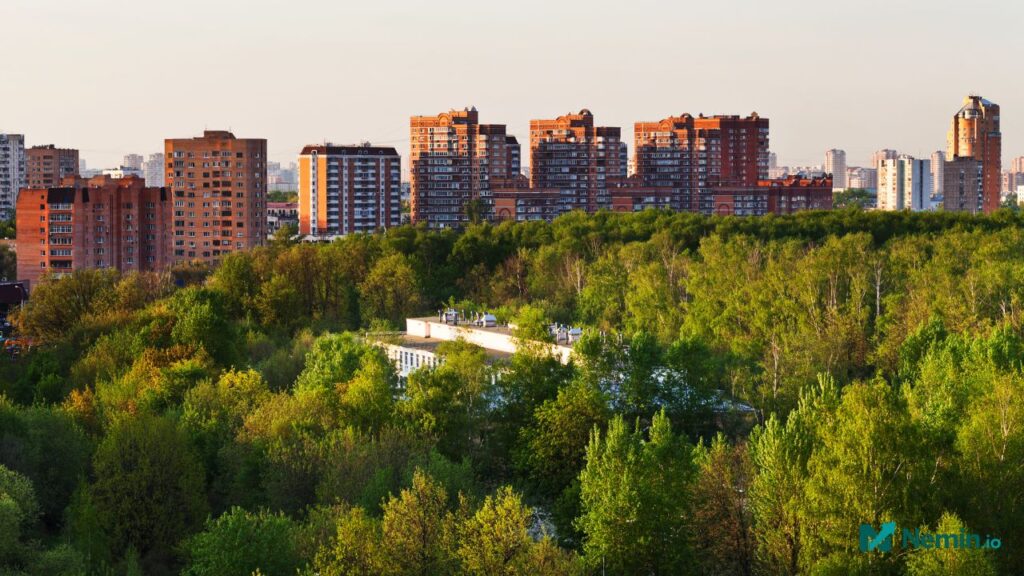
Urban Tree planning is the deliberate process of selecting, planting, protecting, and caring for trees as part of a neighborhood’s public green-space network. A successful Urban Tree project is more than a planting day. It connects canopy goals with shade, storm-water, biodiversity, public health, mobility, accessibility, local identity, and long-term maintenance. The best plans put the right tree in the right place, involve residents early, and measure survival and community outcomes rather than counting seedlings alone.
Urban Tree projects can make streets and public spaces more comfortable, attractive, and ecologically useful. They may shade pavement, intercept rainfall, store carbon as they grow, support habitat, reduce some air pollutants, and create opportunities for walking and social connection. These benefits depend heavily on species, soil, climate, placement, health, maintenance, and equitable access.
This guide explains how communities can build better neighborhood green spaces through Urban Tree planning. It covers the business and public-value case, site design, species selection, planting, maintenance, resident participation, equity, measurement, and common mistakes.
What is an Urban Tree project?
An Urban Tree project is a coordinated effort to add, preserve, or improve trees in a built environment. It may involve street trees, pocket parks, schoolyards, housing areas, parking lots, public rights-of-way, greenways, river corridors, community gardens, or trees integrated with rain gardens and other green infrastructure.
The term can refer to one tree, a block-level planting plan, a municipal urban forest programme, or a wider neighborhood greening strategy. The scale changes the work required. A single tree needs a suitable planting site and care plan; a citywide programme needs inventories, budgets, standards, staff, contractors, data, community engagement, and a process for resolving conflicts with roads and utilities.
Why neighborhood scale matters
A city’s average tree canopy can hide major differences between neighborhoods. One district may have mature trees and shaded sidewalks, while another has exposed pavement, few parks, and little protection from heat. Neighborhood planning helps identify where trees are most needed and where residents face barriers to enjoying green space.
A local plan can also reflect daily life. Residents know where people wait for buses, walk to school, gather outdoors, experience flooding, or avoid hot sidewalks. Combining local knowledge with canopy maps, heat data, stormwater information, and an inventory of existing trees leads to better decisions.
Trees are living infrastructure
An Urban Tree should be planned like other public infrastructure. It needs a suitable site, a realistic budget, inspections, repair coordination, replacement planning, and an accountable owner. Planting without aftercare can produce high mortality and wasted resources.
A tree also changes over time. The space needed by a young sapling may be very different from the space needed by a mature canopy and root system. Design for the expected mature size, not only the appearance on planting day.
Why Urban Tree planning matters for neighborhood green spaces
Shade and heat resilience
Trees cool neighborhoods through shade and evapotranspiration. They can shade sidewalks, playgrounds, building walls, parked vehicles, and paved areas that absorb heat. This makes tree canopy one possible part of a broader heat-resilience strategy alongside cool roofs, reflective surfaces, water management, emergency plans, and access to cooled buildings.
Cooling is not identical everywhere. A tree’s effect depends on canopy size, density, local wind, humidity, pavement, building form, irrigation, and the time of day. Prioritize places where people actually walk, wait, work, play, or face high heat exposure rather than planting only where land is easiest to access.
Stormwater management
Leaves, branches, bark, and roots can intercept and slow rainfall. Soil around trees can provide storage and infiltration when it is designed to drain properly. Street trees may work with curb extensions, bioswales, rain gardens, permeable surfaces, and other green infrastructure to reduce the amount and speed of runoff reaching drains.
An Urban Tree is not a replacement for a complete drainage system. Poorly designed tree pits can become waterlogged, compacted, or disconnected from the stormwater pathway. Engineers, landscape designers, arborists, and drainage teams should coordinate the design.
Air quality and traffic exposure
Trees and vegetation can capture or intercept some pollutants and create separation between pedestrians and traffic. They may also reduce dust and improve the experience of a street. However, vegetation can restrict air movement in some dense street canyons, and certain species emit biogenic volatile organic compounds that may contribute to ozone formation under particular conditions.
The safest approach is context-specific design. Consider traffic emissions, street width, building height, wind, species traits, maintenance, and whether the planting improves or obstructs dispersion. Trees should complement emission reduction and active-transport measures, not be presented as a substitute for cleaner vehicles or pollution controls.
Biodiversity and habitat
Urban trees provide nesting, feeding, shelter, and movement opportunities for birds, insects, and other organisms. A connected network of trees, shrubs, grasses, gardens, waterways, and soil can support more habitat than isolated decorative planting.
Biodiversity benefits improve when planners use a varied, locally suitable plant palette and protect existing mature trees where feasible. Avoid creating a monoculture in which every tree is the same species, age, and genetic type. Diversity can reduce the risk that one pest, disease, or climate stress removes an entire canopy.
Health, activity, and social connection
Green spaces can provide settings for walking, play, relaxation, informal meetings, and community events. WHO reviews describe associations between access to urban green space and aspects of health and well-being, while also noting that intervention evidence is not equally strong for every type of green-space project.
An Urban Tree project can support health by improving the physical environment and making outdoor activity more inviting. It should not promise to prevent disease or solve mental-health problems. Pair planting with safe paths, seating, lighting, accessibility, programming, and services that help residents use the space.
Economic and civic value
Well-maintained green spaces can improve the appearance and comfort of a neighborhood and may support local activity. Trees can also reduce some building energy demand when placed appropriately for shade and wind protection. Economic benefits vary by location, tree condition, property type, maintenance, and the way value is measured.
A successful Urban Tree programme should not measure value only through property prices. Rising land values can contribute to displacement if existing residents cannot remain. Include housing stability, local business needs, public access, and anti-displacement planning in the wider neighborhood strategy.
How to design a better Urban Tree plan
1. Define the problem and the public benefit
Begin with a clear question. Is the priority extreme heat, a missing pedestrian connection, localized flooding, poor access to nature, schoolyard comfort, habitat, air quality, or the preservation of mature trees? Several goals may overlap, but the plan should state which outcomes matter most.
Set measurable objectives such as increasing shade at bus stops, improving survival of new trees, connecting fragmented habitat, reducing runoff at a particular site, or bringing green space within a reasonable walk for underserved residents. Avoid using canopy percentage as the only objective.
2. Map existing conditions
Create or update an inventory of trees and planting sites. Record species, approximate size, condition, ownership, conflicts, maintenance needs, and whether the site has enough soil and water. Add information about heat, flooding, air pollution, foot traffic, schools, clinics, transit, housing, disability access, and community priorities.
Canopy data is useful but incomplete. Aerial imagery may not show tree health, species, soil, private-land access, or who uses a space. Combine spatial data with field surveys and resident input.
3. Engage residents before finalizing the design
Residents should help define what a green space needs to do. Invite renters, homeowners, children, older adults, people with disabilities, local businesses, schools, maintenance workers, and groups that may not usually attend planning meetings.
Use accessible formats and multiple languages where needed. Offer more than one way to participate, such as workshops, walking audits, surveys, meetings at existing community events, and visual design exercises. Explain constraints honestly. Engagement is not meaningful if a decision has already been made and feedback cannot change it.
4. Choose the site before choosing the species
Check overhead and underground utilities, buildings, roads, sightlines, lighting, drainage, soil volume, soil compaction, irrigation, existing roots, fire access, accessibility, and future construction. Consider whether branches will interfere with wires, signs, vehicles, or windows.
The right tree in the wrong location becomes an expensive conflict. A smaller tree may be appropriate beneath wires, while a broad shade tree may suit an open park. If the available soil is inadequate, redesign the planting area rather than expecting roots to overcome compacted pavement.
5. Design for mature growth and climate conditions
Select trees that fit the site’s mature height, crown width, root behavior, water availability, soil, temperature, wind, salt, pollution, and maintenance capacity. Consider future climate conditions, but avoid planting a species simply because it is labelled climate-ready without checking local performance.
Use a diverse palette with species that have compatible needs. Include native or locally adapted species where appropriate, while recognizing that urban sites may require a careful mix. Consult local arborists, nurseries, forestry departments, botanical gardens, or extension services.
Plant diversity without creating disorder
Diversity is not random mixing. It is a planned balance of species, genera, ages, sizes, and functions. A block may use a consistent design language while still avoiding long runs of one vulnerable species. Planting plans should also consider seasonal shade, flowers, fruit, habitat, leaf litter, allergy concerns, and maintenance.
Urban Tree planting and establishment care
Prepare the soil and planting space
Healthy roots need oxygen, water, nutrients, and room to expand. Remove or break up harmful compaction where feasible, provide sufficient soil volume, improve drainage only according to site conditions, and avoid burying the root flare. The planting hole should support the root system without creating a deep container that holds water around the trunk.
Coordinate tree pits with sidewalks and stormwater systems. Structural soils, suspended pavements, connected soil trenches, or larger planted areas may provide more usable rooting space than a small isolated pit, but each option needs proper design and maintenance.
Plant correctly
Handle the root ball carefully, place the tree at the correct depth, backfill with suitable soil, water thoroughly, and apply mulch in a broad layer without piling it against the trunk. Stakes and ties should be used only when needed and checked so they do not damage the tree.
Follow local planting standards and the nursery’s guidance. Planting seasons, irrigation requirements, root-ball types, and aftercare vary by climate and species.
Fund the establishment period
New trees need reliable watering and inspection while roots establish. A planting budget should include several seasons of care, replacement of failed trees, weed control, mulch renewal, pest monitoring, and adjustments to guards or stakes.
Do not treat a tree as established simply because it survived its first month. Set a survival and health target, assign responsibility, and track each planting site.
Urban Tree maintenance and long-term stewardship
Inspect and prune safely
Regular inspections can identify dead branches, structural defects, pests, disease, conflicts, and drought stress. Pruning should follow recognized arboricultural practice and be performed by trained workers. Avoid topping trees or removing excessive canopy without a clear safety or management reason.
Maintenance schedules should reflect species, age, site risk, weather, and available staff. A mature tree near a busy road may need a different inspection programme from a young tree in a quiet community garden.
Water efficiently
Water requirements change with rainfall, soil, temperature, species, and age. Overwatering can damage roots, while under-watering can cause stress and mortality. Use a practical watering plan, inspect soil moisture, repair irrigation leaks, and prioritize newly planted or vulnerable trees during drought.
Residents who help water trees should receive clear instructions about amount, frequency, mulch, and safe access. Informal stewardship works best when it supplements rather than replaces municipal responsibility.
Protect trees from damage
Guard young trunks from mowing equipment, vehicles, animals, vandalism, and construction. Protect root zones during road or utility work, because cutting or compacting roots can cause delayed decline.
Construction contracts should define tree-protection zones, materials, supervision, and remedies for damage. It is often cheaper to protect a mature tree than to replace the ecological function of a large canopy with many small trees.
Plan for pests, disease, and storms
Monitor for invasive pests, local diseases, drought damage, storm damage, and declining structure. A diverse canopy and early detection can improve resilience, but no planting plan eliminates risk.
Keep an emergency response procedure for fallen or hazardous trees. Communicate clearly after severe weather and replant only after understanding why a tree failed.
Equity in Urban Tree planning and green-space design
Tree canopy is often unevenly distributed because of historical development, infrastructure decisions, income, land tenure, and maintenance patterns. A fair Urban Tree programme should prioritize need and access, not only neighborhoods where planting is easiest or where property values are already high.
Avoid green improvement without resident protection
New parks and attractive streets can benefit residents, but they can also increase rents or attract speculative investment. Pair greening with policies and partnerships that support affordable housing, local businesses, tenant stability, and community ownership.
Design for different users
Include shade, seating, paths, crossings, play, quiet areas, lighting, visibility, drinking water where appropriate, and accessible surfaces. Consider children, older adults, wheelchair users, people with sensory sensitivities, shift workers, and residents who rely on public transport.
A tree-filled space is not automatically inclusive. People need to feel safe, welcome, and able to reach and use the space.
Measuring Urban Tree project outcomes
Count more than trees planted. Track survival after one, three, and five years; canopy growth; shade at priority locations; species diversity; maintenance response; water use; stormwater performance where measured; resident satisfaction; accessibility; and whether the project reached the intended communities.
Urban Tree managers can use local tree inventories, canopy mapping, field observations, temperature sensors, rain gauges, surveys, and the U.S. Forest Service i-Tree suite where appropriate. Models can estimate environmental benefits, but estimates depend on data and assumptions. Label modeled results clearly and avoid presenting them as direct measurements.
Review results publicly and adjust the programme. If survival is poor, investigate nursery stock, planting depth, soil, irrigation, vandalism, species choice, or maintenance rather than simply planting more trees.
Common Urban Tree planning mistakes
Counting planting instead of survival
A headline number of trees planted says little about future canopy if many die or are removed. Budget and report the establishment period and long-term condition.
Choosing a species for appearance alone
A visually attractive tree may fail because of drought, soil, pests, mature size, roots, or maintenance demands. Match the species to the site and future climate.
Ignoring existing mature trees
New planting does not always compensate for removing a large healthy tree. Assess preservation, construction protection, pruning, and risk management before approving removal.
Planting without enough soil or water
A small pit in compacted pavement cannot support every tree. Fix the site design or choose a more suitable tree; do not rely on optimism.
Treating residents as an afterthought
A design that ignores local concerns may face vandalism, low use, or opposition. Build trust before construction and maintain communication afterward.
Overpromising environmental benefits
Trees can provide many ecosystem services, but results vary. Use cautious, site-specific claims and combine tree planting with emissions reduction, drainage investment, public health, and climate adaptation measures.
Frequently asked questions about Urban Tree planning
1. What is an Urban Tree project?
An Urban Tree project adds, protects, or manages trees in a built environment as part of a broader neighborhood green-space, public-health, habitat, shade, or stormwater strategy.
2. What are the main benefits of Urban Tree planting?
Potential benefits include shade, local cooling, rainfall interception, habitat, carbon storage, improved streetscapes, outdoor activity, and social connection. Results depend on design and maintenance.
3. How do I choose the right tree for a neighborhood?
Assess mature size, soil, drainage, utilities, available water, climate, pests, pollution, root space, maintenance, and community priorities before selecting a species.
4. How long does an Urban Tree need special care?
New trees need regular establishment care for multiple growing seasons. The exact period depends on species, climate, soil, irrigation, and site conditions; track survival rather than using a fixed promise.
5. Can trees solve urban heat and flooding by themselves?
No. Trees are one part of green infrastructure and climate adaptation. They should complement drainage systems, shade structures, clean transport, heat plans, permeable surfaces, and emissions reduction.
6. How can residents support an Urban Tree programme?
Residents can join planning, protect young trees, water them according to guidance, report damage, participate in monitoring, and advocate for equitable investment. Stewardship should support, not replace, responsible public maintenance.
Conclusion
Urban Tree planning can help communities build greener, cooler, more resilient, and more welcoming neighborhoods, but planting alone is not the goal. The strongest projects begin with a clearly defined public need, map existing conditions, involve residents, protect mature trees, choose species for real site conditions, provide enough soil and water, fund establishment care, and measure survival and outcomes over time.
Trees can support shade, stormwater management, habitat, health, and social life, yet their benefits are context-dependent and should not be exaggerated. Equity must remain central so that green investment reaches residents who need it and does not contribute to displacement. When cities, designers, arborists, utilities, community organizations, and residents work together, an Urban Tree programme becomes more than landscaping: it becomes long-term neighborhood infrastructure.