
A wood fired hot tub gives you a simple, off-grid way to soak in hot water using firewood instead of electricity or gas. It’s part...
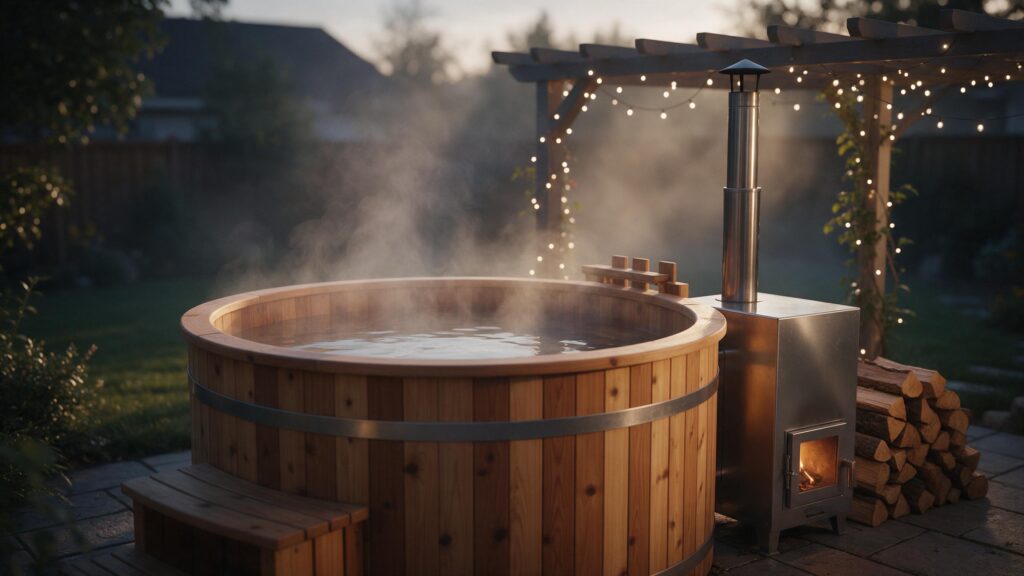
A wood fired hot tub gives you a simple, off-grid way to soak in hot water using firewood instead of electricity or gas. It’s part spa, part backyard ritual: you light the stove, listen to the water warm, and soak under the sky without pumps running all night or a constant utility bill.
That said, a wood fired tub is not “set it and forget it.” You need to plan for heating time, water care, safe stove operation, and a site that can handle thousands of pounds of water. This guide covers what to expect, how these tubs work, what they cost, and how to avoid the most common mistakes.
What Is a Wood Fired Hot Tub (and How It Works)?
A wood fired hot tub is a soaking tub heated by burning wood in a stove that transfers heat into the water. Most systems heat in one of two ways:
- Internal stove: The wood stove sits inside the tub. Water circulates around the hot firebox and warms up.
- External stove: A separate wood stove sits outside the tub and connects to the tub through plumbing, warming water as it flows through the stove chamber.
In both cases, the process relies on heat transfer from the fire to the surrounding water. Some setups use natural convection; others add a small circulation pump to speed up heating and even out temperature.
Why People Choose a Wood Fired Hot Tub
Wood fired tubs are popular for reasons that go beyond cost.
Off-grid comfort
You can use one at:
- Cabins and remote properties
- Backyards where you don’t want electrical upgrades
- Areas with unreliable power
A quieter soak
Many wood fired setups have minimal or no electricity running during the soak. That means less mechanical noise compared to some traditional hot tubs.
Faster “event-style” heating (for some users)
If you only want hot water occasionally, heating a tub for a planned soak can feel more efficient than keeping a conventional spa hot 24/7. Your real results depend on climate, insulation, and how often you soak.
A natural outdoor experience
For many owners, the appeal is the ritual: firewood, steam, and a simple routine that feels closer to sauna culture than a modern spa.
Wood Fired Hot Tub vs Traditional Hot Tub: Key Differences
Before you buy, make sure you actually want the wood-fired lifestyle.
Heating style
- Wood fired: You heat when you want to use it (most owners).
- Electric spa: Often kept hot constantly for instant use.
Temperature control
- Wood fired: Manual control by managing the fire, airflow, and timing.
- Electric spa: Thermostat-controlled, consistent.
Maintenance expectations
- Wood fired: More attention to ash, chimney, smoke, and fire safety.
- Electric spa: More attention to pumps, heaters, and electronics.
Water care
Both need water care, but wood fired tubs are often used in a “fill, heat, soak, drain” style—especially at cabins—while many traditional spas are managed as a continuously treated system for weeks at a time.
Types of Wood Fired Hot Tubs (Materials and Builds)
The tub material affects comfort, durability, price, and maintenance.
Cedar or other wood tubs
These are the classic look and feel.
Pros:
- Beautiful natural appearance
- Comfortable underfoot and skin
- Can feel “authentic” and spa-like outdoors
Cons:
- Needs consistent care (keeping staves tight, protecting from drying out)
- Can be more sensitive to long empty periods
- Requires attention to sealing, swelling, and wood condition
Fiberglass or acrylic tubs with wood heat
These combine a modern tub shell with a wood stove.
Pros:
- Easier to keep clean
- Less sensitive to drying out
- Often simpler long-term durability
Cons:
- Less “traditional” look unless wrapped in wood
- Can feel more like a conventional spa experience
Stainless steel tubs
More common in certain regions and for heavy-duty outdoor use.
Pros:
- Durable, long-lasting, and easy to sanitize
- Handles year-round use well
Cons:
- Can be more expensive
- Metal surfaces can feel cooler initially
- Aesthetic is more modern/industrial
Internal vs External Stove: Which Is Better?
This is one of the biggest decisions.
Internal stove
Best for:
- Maximum simplicity (fewer external connections)
- Faster heat transfer in compact tubs
Tradeoffs:
- Takes up soaking space
- Hot surfaces are inside the tub area (safety awareness matters)
- Cleaning around the stove can be less convenient
External stove
Best for:
- More soaking space inside the tub
- Easier maintenance access
- Keeping the hottest metal surfaces outside the soaking area
Tradeoffs:
- More plumbing connections
- Needs a good circulation design (natural or assisted)
- Slightly more setup complexity
If you expect kids to use the tub or you want maximum interior comfort, many buyers prefer an external stove.
How Long Does It Take to Heat a Wood Fired Hot Tub?
Heating time depends on five main factors:
- Starting water temperature (cold hose water vs warmer conditions)
- Outside air temperature and wind
- Tub volume (smaller tubs heat faster)
- Stove size and efficiency
- Insulation and whether you use a cover during heating
Typical expectations for many owners:
- Small tubs: often a few hours
- Medium/large tubs: several hours, sometimes longer in cold weather
Practical tip: Use a well-fitting insulated cover while heating. It can make a noticeable difference, especially on windy days.
Costs: What a Wood Fired Hot Tub Really Costs to Own
Costs vary widely, but thinking in categories helps you budget realistically.
Upfront costs (what drives price)
- Tub material (wood, fiberglass, stainless)
- Stove type (internal/external, stainless thickness, design)
- Size and seating capacity
- Insulated cover quality
- Steps, benches, and accessories
- Delivery and site access challenges
Ongoing costs
- Firewood (or time spent sourcing/splitting it)
- Water (fill and drain frequency)
- Water treatment supplies (if you keep water for multiple uses)
- Occasional replacement parts (gaskets, chimney pieces, fittings)
- Wood maintenance products (for wood tubs and surrounds)
A good way to think about it: a wood fired hot tub shifts “energy cost” into either firewood cost or your labor.
Planning the Installation Site (Weight, Base, and Drainage)
A filled hot tub is extremely heavy. Water alone weighs a lot, and you’re adding the tub plus people.
Choose a stable base
Common base options include:
- Reinforced concrete pad
- Compact gravel base with a strong, level frame support (depending on tub design)
- Decking only if it’s engineered for the load (don’t assume a standard deck is enough)
If you’re unsure, treat the base as a structural project, not just landscaping.
Think about drainage from day one
You will eventually drain the tub. Plan:
- Where the water will go
- How to prevent erosion
- How to avoid flooding near foundations
- Whether you need a hose connection or drain line routing
Leave safe clearance for the stove and chimney
You want enough space to:
- Load wood safely
- Keep combustibles away
- Access the chimney and cleanout
- Prevent smoke from blowing directly into seating areas
Also consider neighbors and typical wind direction so smoke is less disruptive.
Water Fill Options: Garden Hose vs Pre-Heated Water
Most owners fill from a hose. If your water is very cold, heating takes longer.
Ways to reduce heating time:
- Fill earlier in the day so the sun warms the water slightly
- Use a cover immediately after filling
- Use dry, seasoned firewood for hotter, cleaner burn
- Avoid letting wind strip heat off the surface
Some people mix in a portion of warmer water, but be careful with plumbing and temperature shock if your tub material has restrictions.
Step-by-Step: How to Heat a Wood Fired Hot Tub Safely
Every stove is different, but the general process looks like this.
Step 1: Fill to the correct water level
Many stoves must be fully surrounded by water before lighting. Never fire a stove “dry” unless the manufacturer specifically allows it.
Step 2: Open airflow and start a small, hot fire
Use:
- Dry kindling
- Smaller splits at first
- Good airflow for clean ignition
Avoid smoldering starts, which cause more smoke and creosote.
Step 3: Build to a steady burn
Once drafting well, add larger splits and maintain a consistent fire rather than huge spikes.
Step 4: Circulate and mix water temperature
Hot spots can develop, especially near internal stoves. Stir or circulate as recommended. Check temperature in more than one area.
Step 5: Stop heating before you overshoot
Wood heat can “carry over.” If you wait until it’s exactly your target temperature, you may overshoot after the fire continues transferring heat.
Step 6: Maintain a safe soak temperature
A common comfortable range for soaking is around the low-to-mid 100s °F, but personal tolerance varies. If in doubt, keep it lower and warm it gradually.
Safety note: Hot water can be dangerous, especially for children, pregnant individuals, and people with certain health conditions. When in doubt, use a lower temperature and limit soak time.
Firewood: The Fuel Choice That Impacts Everything
Wood choice affects heating time, smoke, and chimney buildup.
Use seasoned wood
Seasoned wood burns hotter and cleaner, which means:
- Faster heat
- Less smoke
- Less creosote buildup in the chimney
Wet wood wastes energy boiling off moisture and can make your tub heating frustrating.
Hardwood vs softwood
- Hardwood generally burns longer and steadier.
- Softwood can ignite quickly but may burn faster.
Many owners use a mix: softwood to start, hardwood to maintain.
Keeping the Water Clean: Two Common Approaches
How you maintain water depends on how often you use the tub.
Option 1: “Fill, soak, drain” (simple, common for cabins)
Best for:
- Occasional use
- People who want minimal chemical handling
Pros:
- Very simple routine
- Water is always fresh
Cons:
- Uses more water
- Not ideal if you want daily soaking
Option 2: Maintain water for multiple uses (spa-style care)
Best for:
- Frequent use
- Families who soak several times per week
Typical components of a clean-water plan:
- A sanitation method (often chlorine or bromine)
- Regular testing
- Filtration (if your tub has it)
- Shock/oxidation routine as needed
- Good bather hygiene (rinse off lotions and oils)
A wood fired hot tub can be run either way. The right choice is the one you can maintain consistently.
Filters, Pumps, and Circulation: Do You Need Them?
Some wood fired tubs are very simple and have no filtration. Others include a circulation pump and filter system.
When filtration helps most
- You want to keep water for days or weeks
- Multiple people use the tub frequently
- You want less debris and clearer water
- You don’t want to drain often
When a simple setup is fine
- You use the tub occasionally
- You drain after use
- You keep the tub covered when not in use
If you do maintain water, filtration and circulation make it easier to keep water looking and feeling good.
Winter Use: What to Know Before You Soak in the Cold
A wood fired tub can be amazing in winter, but winter adds risk.
Prevent frozen plumbing
If your setup has external pipes, pumps, or a filter loop:
- Freezing can damage components
- Draining lines properly matters
- Insulating exposed sections can help
Use a cover and wind protection
Wind strips heat quickly. A windbreak and insulated cover improve comfort and reduce wood use.
Plan safe walkways
Ice around a tub is a real hazard. Use:
- Non-slip mats
- Salt or traction products safe for your surfaces
- Good lighting
Maintenance Checklist for Long-Term Ownership
Small routines prevent big repairs.
After each use (or each heating day)
- Skim debris
- Cover the tub
- Check stove door and ash condition
Weekly (if maintaining water)
- Test water and adjust sanitizer
- Check clarity and odor
- Clean filter if your system uses one
Monthly or seasonally
- Inspect chimney and clean if buildup is visible
- Check gaskets and fittings for leaks
- Inspect tub exterior (especially wood staves or surrounds)
- Confirm the base remains level and stable
For wooden tubs specifically
- Keep the wood properly hydrated (many wood tubs dislike long dry periods)
- Follow the correct sealing and care approach for your tub type
- Watch for drying gaps, swelling changes, and persistent leaks
Common Problems (and How to Avoid Them)
Problem: The water heats unevenly
Fixes:
- Stir and mix during heating
- Improve circulation (if possible)
- Avoid massive fires that create hot zones near the stove
Problem: Too much smoke
Fixes:
- Use seasoned wood
- Improve airflow at startup
- Make sure the chimney drafts well
- Avoid smoldering fires
Problem: Creosote buildup in the chimney
Fixes:
- Burn hotter, cleaner fires
- Don’t rely on damp wood
- Clean chimney routinely
Problem: Leaks around fittings (external stove setups)
Fixes:
- Use quality fittings and correct sealing
- Recheck connections after heat cycles
- Don’t overtighten and crack components
Problem: Water gets cloudy fast
Fixes:
- Improve filtration and circulation
- Enforce rinse-before-soak habits
- Maintain sanitizer and test regularly
- Drain and refresh more often if usage is heavy
What to Look for When Buying a Wood Fired Hot Tub
A smart purchase is about construction and usability, not just looks.
Key buying checks:
- Tub size (real seating comfort, not just “capacity”)
- Stove material thickness and build quality
- Safe design (hot surfaces, guards, placement)
- Insulated cover quality and fit
- Drain design and ease of emptying
- Availability of replacement parts (gaskets, fittings, chimney)
- Clear heating guidance and safe operating instructions
If you want simple ownership, prioritize: easy draining, a great cover, and a stove that’s easy to load and maintain.
Conclusion
A wood fired hot tub is a rewarding way to soak with fewer modern dependencies, but it works best when you plan for the realities: heating time, firewood quality, safe stove operation, and a site built to handle serious weight and drainage. Choose the right tub material, decide whether you’ll drain after each soak or maintain the water, and invest in a strong insulated cover to protect heat and cleanliness. With a steady routine, a wood fired tub can become one of the most relaxing and memorable features of your home or cabin.
6. FAQs
How long does a wood fired hot tub take to heat up?
Heating time varies by tub size, outside temperature, stove size, and insulation. Many owners plan for several hours, especially when starting with cold water.
Is a wood fired hot tub cheaper to run than an electric hot tub?
It can be, depending on how often you soak and your access to affordable firewood. A wood fired hot tub shifts costs into firewood and your time managing the fire.
Can you use chlorine or bromine in a wood fired hot tub?
Yes, many people maintain water with standard spa sanitizers if the tub is designed for multi-day use. Follow a consistent testing routine and avoid mixing chemicals improperly.
Is it safe to use a wood fired hot tub in winter?
It can be safe with good practices: prevent frozen lines, manage slippery surfaces, keep the tub covered between uses, and use seasoned wood for steady heat.
Should I choose an internal or external wood stove?
Internal stoves are simple and can heat efficiently but reduce soaking space. External stoves preserve interior space and keep hot surfaces outside, but add plumbing complexity.
Do I need a pump and filter for a wood fired hot tub?
Not always. If you drain after each soak, you may not need filtration. If you want to keep water for multiple uses, a pump and filter make water care easier.
How do I keep a wood fired hot tub from getting smoky?
Use dry seasoned wood, start with good airflow, avoid smoldering fires, and keep the chimney clean so it drafts properly.