
A folding electric bike combines a compact folding frame with electric pedal assistance, making it useful for commuters, apartment residents, and travelers who need to...
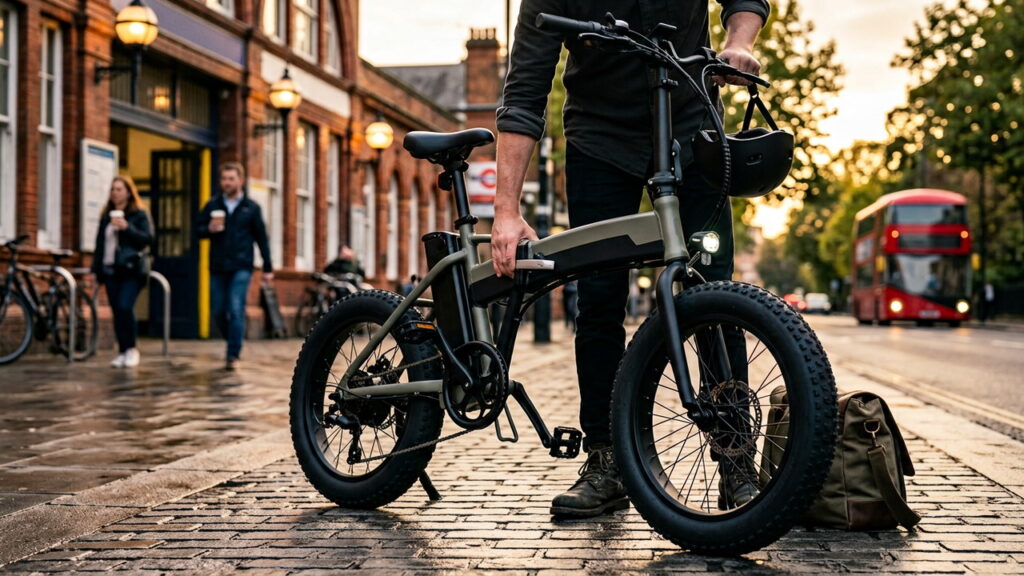
A folding electric bike combines a compact folding frame with electric pedal assistance, making it useful for commuters, apartment residents, and travelers who need to combine cycling with trains, buses, or cars. The best model depends on how you ride, where you store it, and how far you need to travel.
Before buying, compare the bike as a complete system rather than focusing on motor power or advertised range alone. Check how it rides, how easily it folds, where you will store it, and whether the battery and components are supported by the manufacturer.
Quick Summary of Folding Electric Bike Buying
A folding electric bike must work well before it folds and work well after it folds. That means checking the folded dimensions, carrying weight, wheel size, battery position, braking system, and the support available at your destination.
A small motor and compact battery may be convenient for short trips, while a larger battery can extend range but increase weight. Compare models using realistic distances and consider where you will charge the battery.
Use this checklist before buying
- Measure your storage space, transit dimensions, and vehicle cargo area.
- Check the manufacturer’s folded dimensions and whether the battery must be removed.
- Confirm the actual rider weight limit and the approved load for the luggage rack.
- Compare range by motor assistance level, rider weight, terrain, and weather.
- Test the folding and unfolding process before purchase.
- Review warranty, parts availability, local repair support, and battery safety guidance.
What Is a Folding Electric Bike?
A folding electric bike is a bicycle with an electric motor and rechargeable battery that uses a folding frame or handlebar to reduce its storage size. Some models use small wheels and a high seatpost, while others retain standard wheel sizes for better rolling performance.
Folding electric bike designs vary considerably. Some fold the main frame in half, some collapse the handlebar and seatpost, and some remove the battery to make the bike easier to carry. The resulting shape may fit in a cupboard, under a desk, or in the boot of a car.
Electric assistance generally works through a sensor that measures pedaling pressure or speed and adjusts motor output. The motor provides support rather than propulsion on its own, so the rider still pedals. Exact assistance modes and control behavior depend on the model.
How Folding Electric Bike Models Fold
A secure folding joint is the most important part of a folding electric bike. Look for positive locking mechanisms rather than simple clamps that depend on friction alone. The manufacturer should explain the correct sequence and provide clear instructions.
Folding the Main Frame
A center-frame folding joint divides the bike into two halves. After releasing the locking latch, the rear section may swing beside the front section. Some models then secure the halves together with a magnetic catch, strap, or secondary clip.
Check whether the pedals also need to be folded or removed. A folding electric bike that appears compact while displayed may still be awkward to carry if the pedals protrude or the frame remains wide.
Folding the Handlebar
The handlebar stem may fold down, using a quick-release lever, a hinge clamp, or a proprietary joint. A larger handlebar improves control on small-wheel bikes, but it also determines how wide the folded package remains.
For commuters, test whether you can adjust the stem without tools and whether the folded position keeps brake levers and cables from being pinched. A folding electric bike should unfold into its riding position without cable tension or misaligned controls.
Folding the Seatpost
Most folding electric bike models use a telescoping seatpost. Inserting the seatpost fully can shorten the bike for storage, while lowering it creates a more compact package for transport. Check that the minimum insertion mark is visible and do not ride with the post extended above its permitted line.
Some frames also allow the seatpost to drop into the frame. This can save more space but may interfere with the battery, rear wheel, or folding mechanism, depending on the design.
Removing the Battery
Many electric bike batteries can be removed for charging or transport. A removable battery reduces the weight you need to lift and may let you leave the bike locked outside while taking the battery indoors.
The removal process should be straightforward, and the contacts should be protected from dirt and moisture. Ask how the bike behaves without a battery and whether the manufacturer provides a secure cover for the exposed connection.
Choosing the Right Folding Electric Bike for Your Route
The best folding electric bike for a short urban commute may differ from one intended for longer journeys or mixed-surface travel. Start with your normal route rather than a theoretical maximum.
Consider distance, hills, road quality, weather, storage location, and whether you carry passengers or cargo. A lighter model may be easier to manage on stairs or when carried onto public transport, but it may provide less assistance on gradients.
Wheel Size and Ride Quality
Small wheels make a folding electric bike shorter and easier to maneuver in traffic. They also store efficiently and are often found on lightweight commuter models. However, smaller wheels can feel less stable over potholes and may roll less smoothly on poor surfaces.
Larger folding wheels, often around 16 to 18 inches, can provide better control and comfort over uneven roads. They also make the folded bicycle wider, so confirm that your storage and transport areas can accommodate the larger width.
A folding electric bike with suspension can improve comfort, but it adds weight and maintenance. Consider whether your route justifies it. A well-chosen tire, suitable pressure, and a smooth route may provide enough comfort without a suspension fork.
Folding Electric Bike Weight and Portability
Weight is one of the most important practical specifications. It affects lifting, carrying up stairs, loading into a train, and storing the bike above a work surface. A folding electric bike may weigh more than a conventional bicycle because of the motor, battery, controller, and reinforced frame.
The published weight may also exclude removable components such as the battery. Check the weight with the battery installed, or establish exactly what items are included in the specification.
Consider who will carry the bike and over what distance. A slightly heavier model with better assistance may be more practical than a very light bike that provides insufficient support for your route.
Motor Types and Power to Consider
The motor determines how assistance feels and how well the folding electric bike handles hills, headwinds, and loaded journeys. Motor placement also influences weight distribution and maintenance.
Hub Motors and Mid-Drive Motors
A hub motor sits in the rear or front wheel and drives the wheel directly. Hub motors are often simpler and less expensive. Their performance and sound differ by design, so compare published specifications and real user feedback rather than assuming every hub motor performs similarly.
A mid-drive motor is positioned near the crank and drives the chainring. It generally provides responsive assistance that feels natural because torque is delivered through the bike’s chain. These systems are often found on higher-priced folding electric bikes.
Neither motor type automatically suits every rider. Consider power, torque, responsiveness, noise, and service support. A powerful motor is unnecessary if your route is flat and short, while a modest motor may feel inadequate on steep hills with a heavier rider.
Torque, Sensors, and Assistance Modes
Torque indicates how forcefully the motor assists, while sensors determine how the system responds to pedaling. A torque sensor can adjust output based on pressure, whereas a cadence or speed sensor may use a simpler control strategy.
Multiple assistance levels let you match power to conditions, preserve battery range, and reduce wheel slip. Test the lowest setting as well as the highest. A responsive control system should assist smoothly without pulsing or making the bike difficult to steer.
Motor Power and Local Limits
Check whether the motor rating suits your body weight, hills, and luggage. Higher wattage can provide stronger acceleration, but it also uses more energy and may create more wheel traction on loose surfaces.
Electric bicycle rules vary by country and region. A folding electric bike may have a limited-assist motor, a speed cap, and specific age or equipment requirements. Confirm that the model and its configuration comply where you ride.
Battery Range and Charging Options
Battery range depends on more than the advertised maximum. Rider weight, assist level, terrain, tire pressure, wind, load, and battery age can all change the distance achieved. A folding electric bike rated for a long range may still cover less than expected under demanding conditions.
Real-World Range Versus Advertised Range
Published range figures are often based on a specific rider weight, speed, test cycle, and assistance setting. Use them as a comparison rather than a guarantee. A practical estimate is the distance between your home and a typical destination plus a reserve.
Check whether the folding electric bike offers multiple battery options. A larger battery can provide more capacity but may require a larger charger and take longer to charge. Some riders keep a second battery and swap it, while others choose a smaller pack to reduce carrying weight.
Battery Placement and Charging Access
A battery mounted inside the frame can look tidy and may be better protected, but it can be harder to remove. A rear-rack battery is easy to access but raises the center of gravity and may conflict with a luggage rack or saddle design.
Integrated batteries require access to a charging port. Make sure the cable reaches a mains outlet and that you can charge indoors without removing furniture. Do not use a charging arrangement or extension lead that conflicts with the manufacturer’s instructions.
Charging Time and Battery Care
Compare charging time with battery capacity. A compact folding electric bike battery may charge quickly, while a high-capacity pack can take several hours. The product manual should provide the recommended charger, charging environment, and storage guidance.
Use the supplied or specified charger. Avoid charging a battery in extreme heat, near flammable materials, or with a damaged cable. If a battery becomes swollen, unusually hot, leaking, or physically damaged, stop using it and follow the manufacturer’s safety guidance.
Battery Range and Safety Certifications
A folding electric bike combines an electrically powered assist system with a compact frame and small wheels. Before buying, check the battery and charger certifications, the frame and fork ratings, and the braking requirements for the exact configuration.
| Feature | What to Compare | Why It Matters |
|---|---|---|
| Battery Certification | Relevant certification marks and supplier documentation | Supports confidence in the product’s electrical safety testing |
| Motor and Controller | Rated power, assistance behavior, and protection features | Influences acceleration, heat management, and system reliability |
| Brakes | Lever reach, stopping performance, and required maintenance | Particularly important on a heavier folding electric bike |
| Frame and Joint | Approved rider and luggage limits and locking mechanism | Protects structural integrity and safe folding operation |
| Reflectors and Lighting | Included equipment and permitted accessory mounting | Improves visibility without compromising the folded size |
| Warranty | Coverage, exclusions, repair network, and battery terms | Affects long-term cost and support after purchase |
Certification marks help identify products tested against recognized standards, but marks alone do not guarantee suitability for every rider. Confirm the exact model, battery, charger, and intended use with the manufacturer or seller.
Brakes, Tires, and Folding Electric Bike Stability
Compact wheels and a high center of gravity can make a folding electric bike feel different from a full-size bicycle. Stopping performance and grip should therefore be considered before aesthetics.
Braking System Options
Many folding electric bikes use disc brakes because they provide consistent performance in wet conditions and are less affected by wheel size. V-brakes and roller brakes also appear on some models, particularly simpler or lower-cost bicycles.
Check that the brake levers are reachable and suited to smaller hands. Confirm that the manufacturer specifies the correct brake pad material and replacement process. A folding electric bike with a heavy rider or cargo must have adequate braking capacity for the total load.
Tires and Puncture Risk
Smaller wheels may react more sharply to potholes and debris. Tires with good puncture resistance and a suitable tread pattern can improve reliability. Check whether the tire size and pressure range match the manufacturer’s specifications.
Carry a suitable repair method for longer rides if the folding electric bike does not include puncture protection. Do not exceed the tire pressure limit, and inspect tires for cuts or embedded objects after rough routes.
Frames and Locking Joints
Inspect the folding hinge, clamps, and locking levers for tightness and signs of damage. A loose joint can allow frame movement and create a serious hazard. Some manufacturers advise checking these components before every ride.
Make sure the battery, display, motor cables, and brake lines cannot be pinched when folding. A folding electric bike should return to its correct riding geometry without a loose cable, misaligned display, or partially engaged lock.
Folding Electric Bike for Travel and Public Transport
Combining cycling with rail, bus, or car travel requires planning beyond the purchase. The folded bike must meet the operator’s luggage rules and remain manageable during transfers.
Check the permitted dimensions, weight limits, and battery restrictions of each transport provider. Some operators require advance reservations for full-size bicycles. A compact folding electric bike may still exceed luggage limits when the battery is attached.
Plan how you will secure the folded bicycle. A carrying strap, handle, or wheel strap makes moving it through stations easier. Keep the battery under your control rather than placing it in an unattended luggage area if it is removable.
Storage in Apartments and Offices
Measure cupboard, under-desk, and hallway spaces before buying. Use the manufacturer’s folded dimensions, but allow room to lift the bike into position and to reach the battery and folding latch.
The folded bicycle may also need to be leaned against a wall, which can damage finishes or create a trip hazard. A wall bracket or secure parking stand can help. At work, confirm whether shared bike storage is available and how the folded electric bike will be recharged.
Range Planning for Daily Journeys
Estimate the distance you will actually ride, including detours and return legs. A battery that covers half the expected journey is not sufficient for reliable daily commuting unless you can recharge at work or elsewhere.
Look for a clear battery indicator and consider carrying a second battery only if the extra weight is manageable. For long rides, understand where charging points are available and whether the charger can be used safely in your destination country.
Safety and Legal Checks Before Purchase
Check local rules on electric bicycles, including power limits, assistance cut-off speeds, age restrictions, helmets, lights, and where the bike may be ridden. Requirements vary considerably, and a folding electric bike should be configured as a road-legal product where required.
Inspect the Important Folding Components
Before riding a new folding electric bike, carefully inspect the hinge, locking lever, stem clamp, seatpost clamp, pedals, chain, brakes, and tire pressure. Make sure the folding mechanism is fully engaged before applying power.
The locking mechanism should close positively and hold the frame securely. Do not ride if a catch, clamp, or hinge feels loose. Follow the manufacturer’s torque specifications, and seek professional help if you are uncertain about adjusting a structural connection.
Responsible Riding Practices
The advice for riding a folding electric bike largely matches the advice for riding any bicycle. Wear a suitable helmet, use front and rear lights in poor visibility, and obey traffic rules. Reduce speed before turns and on uneven surfaces, especially when small wheels are more sensitive to impacts.
Keep both hands available for controlling the bicycle when riding. Avoid carrying loose items that could interfere with the folding latch or steering. When using a folding electric bike in wet conditions, reduce speed and allow extra stopping distance.
Pros and Cons of a Folding Electric Bike
A folding electric bike offers convenience for mixed journeys and compact urban living. It also introduces compromises in weight, ride feel, and component durability that buyers should consider.
Advantages of a folding electric bike
- Offers electric assistance without requiring a full-size bicycle to be carried through a station.
- Stores easily in small apartments, offices, flats, and vehicle cargo areas.
- Combines active travel with lower running costs than a conventional motor vehicle.
- Provides useful assistance for hills, longer commutes, and riders with limited stamina.
- Allows the owner to remove the battery for secure charging or separate transport.
Disadvantages of a folding electric bike
- The motor, battery, and folding joints can make the bicycle heavier than a standard compact bike.
- Small wheels and compact frames may feel less stable on poor roads.
- Folding mechanisms and specialized components may cost more to replace.
- Battery range varies with terrain, rider weight, weather, and assistance use.
- Public transport operators may apply separate size, weight, and reservation rules.
How to Test a Folding Electric Bike Before Buying
A test ride should cover more than a short trip around a shop. Check acceleration, braking, steering, assistance transitions, comfort, and the folding process. If possible, carry the bike for a short distance to experience its weight and balance.
The folding mechanism should operate smoothly without force, but it must lock firmly. Test unfolding and refolding until you understand the sequence. Do not accept a used folding electric bike unless a qualified seller can verify its condition, battery history, and frame integrity.
Ask to see the serial number and purchase documentation where applicable. Confirm whether the battery has been stored according to the manufacturer’s guidance. A battery that has been left uncharged or exposed to extreme heat may have a reduced service life.
Care and Maintenance Schedule
A folding electric bike needs regular checks on the folding joint, brakes, tires, drivetrain, and electrical connections. The manufacturer’s manual should take priority over general advice because torque values, lubrication points, and compatible products vary by model.
Check tire pressure, pedal security, chain condition, brake operation, and the folding latch before frequent rides. Clean the drivetrain as specified and keep water and mud away from the motor, battery, ports, and charging contacts.
Inspect the battery for physical damage and follow the storage guidance if the bike will not be used for an extended period. Store it at the recommended charge level in a suitable temperature range. Use an approved charger and avoid leaving the battery in a hot vehicle.
Common Mistakes to Avoid
Do not judge a folding electric bike only by its folded length. Width, height, weight, and the need to remove the battery can determine whether it fits your storage or transport plan.
Avoid buying without riding the model if possible. Small wheels, compact brakes, and different frame geometry can make the experience less familiar than that of a full-size bicycle.
Do not ignore the folding lock, bike weight, battery care, or after-sales support. These details affect safety and long-term ownership more than minor styling preferences.
FAQ’s
What size is a folding electric bike when folded?
It depends on the model and whether the battery is removed. Check the manufacturer’s folded dimensions, including width and height, rather than relying on the wheel size alone.
Can I take a folding electric bike on a train?
Many operators allow it subject to size, weight, and reservation rules. Check the specific operator’s policy and battery requirements before travelling.
How far can a folding electric bike travel?
Real range depends on battery capacity, rider weight, terrain, weather, speed, and assist level. Compare published figures with realistic journeys and keep a reserve.
Is a folding electric bike suitable for steep hills?
It depends on motor power, gearing, rider weight, and battery capability. Test the lowest gear on a representative hill and ask the supplier for guidance.
How do I keep a folding electric bike secure?
Use the frame lock supplied with the bike, secure it to a suitable fixed object, and remove the battery when practical. Never rely on the folding mechanism alone as a lock.
Are folding electric bikes comfortable for long rides?
Comfort depends on frame geometry, saddle, tire width, and rider fit. A test ride is important, especially if the model uses small wheels.
Conclusion
A folding electric bike can make urban travel and mixed transport much more practical, especially when storage space is limited. Compare the folded size, weight, motor, battery, brakes, and warranty against your actual route rather than relying on a generic specification.
Test the ride and folding process before buying, and check local transport and electric bicycle rules. A carefully chosen folding electric bike can provide useful assistance while remaining manageable for everyday storage and travel.