
Every business depends on electricity to operate essential equipment, maintain comfortable working conditions, and support daily activities. From office lighting and computers to industrial machinery...
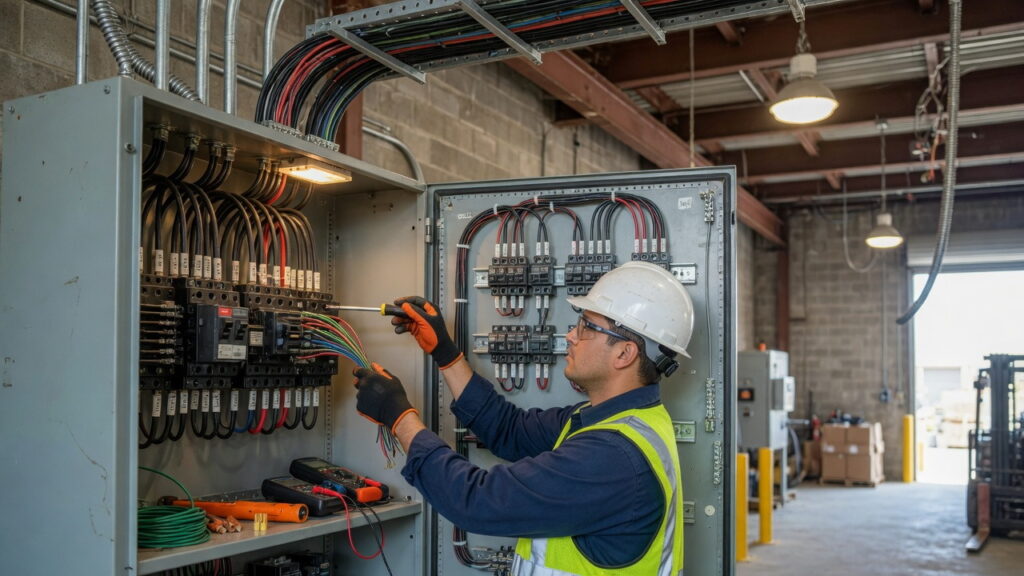
Every business depends on electricity to operate essential equipment, maintain comfortable working conditions, and support daily activities. From office lighting and computers to industrial machinery and commercial HVAC systems, reliable electrical infrastructure is a fundamental part of modern business operations. A qualified Commercial Electrician helps businesses install, inspect, maintain, and repair these systems while meeting applicable electrical safety requirements.
However, commercial electrical work is often more complex than residential wiring. Larger electrical loads, specialized equipment, multiple distribution panels, and demanding operating schedules require careful planning. Understanding the role of a commercial electrician can help business owners choose reliable services, reduce unnecessary disruptions, and make informed decisions about electrical installations and upgrades.
What Is a Commercial Electrician?
A commercial electrician is a skilled electrical professional who specializes in installing, maintaining, troubleshooting, and repairing electrical systems in commercial buildings and business environments.
Commercial electrical work commonly involves offices, shopping centers, restaurants, hotels, warehouses, medical facilities, schools, and other nonresidential properties.
Unlike typical residential installations, commercial buildings often require larger electrical distribution systems, specialized circuits, emergency lighting, and equipment designed for demanding operating conditions.
A commercial electrician must understand the electrical requirements of these environments and follow applicable codes, safety regulations, and engineering specifications.
Depending on local licensing rules, commercial electricians may work independently, under a licensed electrical contractor, or as part of a larger construction and maintenance team.
Their responsibilities extend beyond basic wiring. They may also troubleshoot electrical faults, coordinate installations with other building systems, and help businesses maintain safe electrical infrastructure.
What Does a Commercial Electrician Do?
The daily responsibilities of a commercial electrician depend on the building, equipment, and type of project.
Some professionals primarily install electrical systems in new commercial buildings, while others focus on maintenance, troubleshooting, and repairs.
Common commercial electrician services include:
- Installing electrical wiring, conduits, and distribution panels.
- Repairing faulty circuits and electrical connections.
- Installing commercial lighting and lighting controls.
- Upgrading electrical panels and distribution equipment.
- Maintaining electrical systems in offices and retail buildings.
- Installing dedicated circuits for commercial equipment.
- Troubleshooting power interruptions and electrical faults.
- Installing electrical infrastructure for HVAC equipment.
- Inspecting accessible electrical components for deterioration.
- Supporting emergency lighting and backup power installations.
- Coordinating code-required electrical testing and inspections.
- Planning electrical improvements during building renovations.
A commercial electrician may also collaborate with engineers, facility managers, architects, and general contractors.
This coordination is particularly important when electrical systems must support specialized equipment or remain operational during renovation work.
Why Businesses Need a Professional Commercial Electrician
Commercial electrical systems directly affect employee safety, building functionality, and business productivity.
Electrical failures can interrupt operations, damage equipment, and create potentially dangerous conditions.
A qualified commercial electrician helps identify problems, recommend appropriate solutions, and complete electrical work according to applicable requirements.
Electrical Safety in the Workplace
Electrical hazards can include shock, arc flash, overheating, damaged insulation, and improperly installed equipment.
The Occupational Safety and Health Administration (OSHA) establishes workplace electrical safety requirements in the United States.
Commercial electrical work may also involve the National Electrical Code (NEC), published as NFPA 70, where adopted by the relevant jurisdiction.
A commercial electrician should understand how these requirements apply to the work being performed.
However, electrical codes and occupational safety rules serve different purposes. Compliance with an installation code does not automatically eliminate workplace hazards.
Proper work procedures, training, protective equipment, and maintenance remain necessary.
Reliable Business Operations
Unexpected electrical interruptions can affect sales, communication systems, refrigeration, security equipment, and production activities.
A commercial electrician can investigate recurring faults and determine whether equipment failures, overloaded circuits, damaged conductors, or other issues are contributing to interruptions.
Preventive maintenance may help detect certain problems before they develop into major failures.
However, maintenance cannot guarantee uninterrupted power because utility outages, environmental events, and equipment defects may still occur.
Support for Business Expansion
Businesses often add new equipment, workstations, lighting, and technology as they grow.
These changes can increase electrical demand.
A commercial electrician can evaluate existing infrastructure and coordinate a load assessment when additional capacity is required.
Expanding a commercial electrical system without understanding its available capacity can create safety concerns and operational problems.
Commercial Electrician vs Residential Electrician
Commercial and residential electricians share fundamental electrical knowledge, but their typical working environments differ.
A residential electrician usually focuses on houses, apartments, and other dwelling units.
A commercial electrician primarily works in business properties with potentially more extensive distribution systems and specialized electrical requirements.
Electrical System Complexity
Residential buildings commonly use electrical systems designed around household appliances, lighting, receptacles, and heating or cooling equipment.
Commercial buildings may require multiple distribution panels, larger service equipment, and dedicated electrical systems for specialized machinery.
A commercial electrician may also work with three-phase electrical distribution, which is commonly used for larger motors and commercial equipment.
Three-phase systems can support efficient power distribution for many commercial applications, but their suitability depends on the equipment and utility service.
Wiring Methods and Installation Requirements
Commercial installations may use metal conduit, cable trays, busways, and other approved wiring methods.
The permitted wiring methods depend on the building, occupancy, location, and applicable electrical code.
A commercial electrician must select materials and installation techniques suitable for the environment.
For example, wiring requirements in a restaurant kitchen may differ from those in a dry office space.
Working Around Business Activities
Commercial electrical projects frequently take place in occupied buildings.
A commercial electrician may need to coordinate shutdowns, isolate equipment, and schedule disruptive work outside normal business hours.
Hospitals, data centers, and other critical facilities may require additional planning because certain electrical loads cannot tolerate ordinary interruptions.
This operational complexity makes communication and project coordination especially important.
Essential Services Provided by a Commercial Electrician
Commercial electricians provide a wide range of services throughout a building’s life cycle.
Understanding these services helps business owners determine when professional electrical assistance is needed.
Commercial Electrical Installation
New commercial construction requires electrical infrastructure designed around the intended building use.
A commercial electrician installs wiring, distribution equipment, lighting circuits, receptacles, and other electrical components according to approved plans.
Installation may involve coordination with mechanical systems, fire protection equipment, telecommunications infrastructure, and building automation systems.
Before systems are placed into service, required inspections and testing must be completed.
The specific procedures depend on local regulations and the installation.
Electrical Panel Installation and Upgrades
Electrical panels distribute electricity to circuits throughout a building.
As business equipment changes, the existing distribution system may require modifications.
A commercial electrician can evaluate panel condition and identify whether new circuits, replacement equipment, or additional distribution capacity may be needed.
Panel upgrades should be based on appropriate load calculations and equipment ratings.
Simply installing a larger breaker does not increase the safe current-carrying capacity of existing conductors.
Any modification must maintain compatibility with the electrical system.
Commercial Lighting Installation
Lighting affects visibility, employee comfort, security, and energy consumption.
A commercial electrician installs lighting systems in offices, retail stores, restaurants, warehouses, and outdoor commercial spaces.
Modern installations may use LED luminaires, occupancy sensors, daylight controls, timers, and centralized lighting management systems.
LED lighting can reduce energy consumption when replacing less efficient technologies, although actual savings depend on operating hours, fixture performance, and control settings.
A commercial electrician can help evaluate installation requirements and coordinate lighting upgrades.
Electrical Troubleshooting and Repairs
Commercial electrical faults can produce symptoms such as flickering lights, repeated breaker trips, equipment shutdowns, and intermittent power loss.
These problems may originate from loose connections, damaged components, overloaded circuits, or equipment malfunctions.
A commercial electrician uses appropriate diagnostic procedures and testing instruments to identify the cause.
Electrical troubleshooting should follow safe work practices.
In particular, energized testing requires suitable qualifications, equipment, and protective measures.
Unqualified employees should not open electrical panels or attempt internal electrical repairs.
Emergency Electrical Services
Some electrical problems require urgent attention.
Examples include smoke from electrical equipment, burning odors, damaged service conductors, and repeated failures affecting essential building systems.
An emergency commercial electrician may help assess the situation and arrange necessary repairs.
However, immediate danger requires appropriate emergency procedures.
If electrical equipment is smoking, sparking, or presenting a fire hazard, occupants should avoid the affected area and contact emergency services when necessary.
Restoring power should not take priority over personal safety.
Commercial Electrical Systems Explained
Commercial buildings rely on several interconnected electrical components.
Understanding their basic functions helps property owners communicate more effectively with a commercial electrician.
Electrical Service and Distribution
Electricity typically enters a commercial building through utility service equipment.
From there, electrical distribution equipment supplies circuits serving lighting, receptacles, mechanical equipment, and other loads.
A commercial electrician may install or maintain service equipment, switchboards, panelboards, disconnect switches, and distribution conductors.
Larger facilities may use more complex distribution arrangements.
Any service upgrade generally requires coordination with the electric utility and applicable authorities.
Single-Phase and Three-Phase Power
Single-phase electricity is common in smaller electrical applications.
Three-phase electrical systems are widely used in commercial and industrial facilities because they are suitable for distributing power to larger electrical loads.
A commercial electrician must verify equipment voltage, phase requirements, and connection specifications before installation.
Connecting equipment to an incompatible supply can damage components and create hazards.
The available electrical service also affects which equipment a business can install without infrastructure changes.
Circuit Protection
Circuit breakers and fuses protect electrical circuits against specified overcurrent conditions.
Their primary purpose is to help protect conductors and equipment from excessive current.
A commercial electrician selects and installs protective devices according to the system design and applicable code.
Different protective technologies address different risks.
For example, ground-fault protection, arc-fault protection, and overcurrent protection are not interchangeable.
The requirements depend on the circuit and installation.
When Should You Hire a Commercial Electrician?
Businesses should involve a commercial electrician whenever electrical work exceeds routine user-level equipment operation.
Certain warning signs also justify prompt professional assessment.
Frequent Circuit Breaker Trips
Circuit breakers can trip because of overloads, short circuits, ground faults, or other conditions.
A single trip does not necessarily indicate a major system failure.
However, repeated trips should not be ignored.
A commercial electrician can investigate the affected circuit and determine whether repair, equipment replacement, or capacity changes are appropriate.
Repeatedly resetting a breaker without understanding the cause can be dangerous.
Flickering or Dimming Lights
Lighting fluctuations may result from loose connections, voltage variations, failing equipment, or problems with lighting controls.
A commercial electrician can examine the system and determine whether the issue is isolated or more widespread.
Some fluctuations may originate from the utility supply.
Diagnosis is important because the correct solution depends on the underlying cause.
Burning Smells or Unusual Heat
Burning odors, discoloration, and unusual heating around electrical equipment can indicate dangerous conditions.
These signs require immediate attention.
A commercial electrician should assess the installation after the affected equipment has been made safe.
Employees should never attempt to inspect exposed energized components.
New Equipment Installation
Commercial appliances, machinery, HVAC systems, and specialized devices may require dedicated electrical circuits.
A commercial electrician can verify voltage, current requirements, circuit protection, and available capacity.
Proper planning reduces the risk of connecting equipment to unsuitable infrastructure.
It can also help avoid unexpected modifications during installation.
How to Choose the Right Commercial Electrician
Selecting a commercial electrician requires more than finding the lowest hourly rate.
The contractor should have appropriate qualifications, relevant experience, and a clear understanding of the project’s requirements.
The following seven considerations can guide the hiring process.
1. Verify Licensing and Credentials
Electrical licensing requirements vary by state, municipality, and country.
Some jurisdictions distinguish between apprentice, journeyman, master electrician, and electrical contractor credentials.
A commercial electrician should hold the qualifications required for the work or operate under the appropriate licensed supervision.
Business owners should verify credentials through the relevant licensing authority.
Do not assume that every electrician is authorized to undertake every category of commercial electrical work.
2. Check Commercial Project Experience
Commercial buildings present different challenges depending on their occupancy and equipment.
A commercial electrician experienced in office renovations may not have the same specialized experience as someone who works with industrial control systems.
Ask about similar completed projects.
For specialized environments, request evidence of relevant experience with the applicable electrical systems.
3. Confirm Insurance Coverage
Electrical contracting can involve property damage, workplace injuries, and other risks.
Businesses should request evidence of appropriate insurance coverage.
Depending on the contractor and jurisdiction, this may include general liability insurance and workers’ compensation coverage.
A commercial electrician or electrical contractor should also understand any additional insurance requirements associated with the project.
Insurance documents should be reviewed rather than relying solely on verbal assurances.
4. Request a Detailed Estimate
A useful electrical estimate should describe the proposed scope of work.
It should identify major materials, installation activities, anticipated labor requirements, and any known exclusions.
A commercial electrician should clarify whether permitting, testing, inspections, and restoration are included.
For larger projects, ask how change orders will be handled.
Unexpected building conditions can affect electrical construction costs.
5. Evaluate Safety Practices
A qualified commercial electrician should follow appropriate electrical safety procedures.
Ask how the contractor manages electrical isolation, lockout/tagout, personal protective equipment, and work around energized systems.
NFPA 70E provides a recognized framework for electrical safety in the workplace.
However, a contractor’s use of safety terminology does not automatically demonstrate safe performance.
Relevant training, documented procedures, and appropriate supervision also matter.
6. Review References and Communication
References from previous commercial clients can provide useful insight.
Ask whether the contractor completed the work as agreed, communicated schedule changes, and addressed problems professionally.
A commercial electrician should also explain technical recommendations in understandable terms.
Clear communication is particularly important when electrical shutdowns could interrupt business operations.
7. Understand Warranties and Support
Ask what workmanship warranty applies to the installation.
Equipment manufacturers may provide separate product warranties.
A commercial electrician should explain any maintenance requirements or exclusions that affect coverage.
For businesses that depend heavily on electrical systems, ongoing maintenance support may also be worth considering.
The right arrangement depends on the building and its operational needs.
How Much Does a Commercial Electrician Cost?
Commercial electrician pricing varies considerably.
Labor rates depend on location, project complexity, electrician qualifications, scheduling requirements, and local market conditions.
Installation costs also depend on materials, equipment, permits, and access.
A commercial electrician may charge an hourly rate, a fixed project price, or a combination of fees.
Factors That Affect Commercial Electrical Costs
Several factors influence the final price of electrical work.
Project size: Larger installations generally require more labor and materials.
System complexity: Specialized equipment and advanced distribution systems may require additional expertise.
Building accessibility: Work above ceilings, inside occupied facilities, or in restricted areas can increase labor requirements.
Electrical shutdowns: Projects requiring overnight or weekend scheduling may cost more.
Permits and inspections: Applicable regulatory requirements can add administrative and inspection expenses.
Material selection: Equipment ratings, manufacturer specifications, and product availability affect costs.
Existing infrastructure: Older electrical systems may require modifications before new equipment can be connected.
A commercial electrician should explain which factors are included in the estimate.
Why Accurate Estimates Matter
A low initial quote may exclude necessary materials, testing, or related work.
For example, installing a new electrical panel may also require feeder modifications, grounding and bonding work, or coordination with the utility.
A commercial electrician should identify these requirements before construction whenever practical.
Business owners should compare proposals based on the same scope of work.
This approach provides a more meaningful comparison than looking at the total price alone.
Commercial Electrician Safety Standards and Regulations
Electrical safety requirements are essential in commercial environments.
However, the exact rules depend on location, occupancy, equipment, and the type of electrical work.
A commercial electrician must identify and follow the applicable requirements.
National Electrical Code
In the United States, NFPA 70 is commonly known as the National Electrical Code.
The NEC establishes requirements for electrical installations intended to safeguard people and property from hazards associated with electricity.
Local authorities adopt particular editions of the code, sometimes with amendments.
A commercial electrician should follow the edition legally applicable to the project.
The newest published edition is not necessarily the edition currently enforced in every jurisdiction.
OSHA Electrical Safety Requirements
OSHA regulates workplace safety within its jurisdiction.
Relevant electrical requirements address issues such as electrical equipment, safe work practices, and protection against electrical hazards.
A commercial electrician working in an occupied business environment must consider these requirements.
Employers also have responsibilities for protecting workers who may be exposed to electrical risks.
NFPA 70E and Safe Work Practices
NFPA 70E addresses electrical safety in the workplace.
It provides guidance and requirements related to risk assessment, electrically safe work conditions, protective equipment, and other safety practices.
A commercial electrician should understand the hazards associated with tasks involving electrical equipment.
Establishing an electrically safe work condition is generally preferred over performing energized work when de-energization is feasible.
Energized work should not be treated as routine merely because shutting down equipment is inconvenient.
Energy Efficiency and Commercial Electrical Upgrades
Energy efficiency can be an important consideration for businesses seeking to control operating expenses.
A commercial electrician can help identify electrical upgrades that support efficiency goals.
However, not every upgrade produces the same financial result.
Energy savings depend on equipment performance, operating hours, utility rates, and building conditions.
LED Lighting Retrofits
Replacing older lighting technologies with suitable LED products can reduce lighting energy consumption.
A commercial electrician can evaluate fixture compatibility, lighting levels, control requirements, and installation conditions.
Businesses should consider lighting quality alongside energy performance.
Poorly selected lighting may create glare, uneven illumination, or inadequate visibility.
Smart Lighting Controls
Occupancy sensors and scheduling controls can reduce unnecessary lighting operation.
A commercial electrician may install systems that automatically adjust lighting based on occupancy or available daylight.
Actual savings depend on how the space is used.
For example, an office with predictable occupancy may benefit from different controls than a warehouse operating continuously.
Power Monitoring
Electrical monitoring equipment can provide information about energy consumption and demand patterns.
A commercial electrician may install approved metering infrastructure or coordinate with energy management specialists.
Monitoring data can help businesses understand when electricity is used.
However, collecting data does not automatically reduce energy consumption.
The information must support practical operating or equipment decisions.
Preventive Electrical Maintenance for Commercial Buildings
Preventive maintenance helps businesses monitor the condition of electrical infrastructure.
A commercial electrician may inspect accessible equipment, perform appropriate tests, and recommend repairs based on observed conditions.
Maintenance procedures should reflect equipment instructions, building conditions, and applicable safety requirements.
Electrical Panel Inspections
Panels and distribution equipment may experience deterioration from heat, moisture, contamination, vibration, or aging.
A commercial electrician can inspect equipment for relevant warning signs using appropriate safety procedures.
The inspection may include checking accessible components and reviewing maintenance records.
Opening energized equipment introduces serious hazards and requires qualified personnel and suitable precautions.
Thermal Imaging Inspections
Thermal imaging can help identify temperature differences in electrical equipment.
A commercial electrician trained in the technique may use thermal inspections as part of a maintenance program.
However, a thermal image does not establish the cause of an abnormal temperature by itself.
Electrical loading, equipment characteristics, environmental conditions, and other factors affect interpretation.
Additional investigation may be necessary.
Testing and Maintenance Records
Documented maintenance helps facility managers track recurring issues and completed work.
A commercial electrician may record inspection findings, test results, repairs, and recommendations.
These records can support future troubleshooting and maintenance planning.
They may also help businesses demonstrate that required maintenance activities have been completed.
Commercial Electrician Services for Different Industries
Different commercial environments require different electrical solutions.
A commercial electrician should understand the operational requirements of the business receiving the service.
Office Buildings
Offices depend on lighting, computers, network equipment, HVAC systems, and building security.
A commercial electrician may install circuits, improve distribution capacity, and coordinate electrical work during office renovations.
Planning is important because electrical interruptions can affect multiple tenants or departments.
Restaurants and Hospitality
Restaurants often use electrically powered cooking equipment, refrigeration, ventilation, and specialized lighting.
A commercial electrician must account for equipment specifications and environmental conditions.
Commercial kitchens may include moisture, heat, and cleaning practices that influence equipment selection and installation methods.
Reliable electrical infrastructure is particularly important where refrigeration and food safety systems are involved.
Retail Stores
Retail electrical systems support lighting, point-of-sale equipment, security systems, signage, and customer-facing technology.
A commercial electrician can help businesses modify electrical layouts when displays or store configurations change.
Lighting quality and reliable power are especially important for daily customer operations.
Warehouses and Distribution Centers
Warehouses may require high-bay lighting, loading equipment, charging infrastructure, and industrial electrical systems.
A commercial electrician can assist with suitable circuit installation and distribution planning.
Where motor-driven machinery or automation is involved, additional specialized expertise may be necessary.
Planning a Commercial Electrical Project
Successful electrical projects begin with clearly defined requirements.
Business owners should identify the equipment being installed, the areas affected, and any operational restrictions.
A commercial electrician can then assess the existing system and determine what additional information is needed.
Initial Electrical Assessment
The initial assessment may involve reviewing drawings, identifying available electrical capacity, and inspecting relevant equipment.
A commercial electrician should determine whether the project requires engineering, permitting, or utility coordination.
Older buildings may have incomplete electrical documentation.
In such cases, additional investigation may be needed before a reliable scope of work can be established.
Installation Scheduling
Electrical projects can affect normal business activities.
A commercial electrician should discuss planned shutdowns, equipment access, and worksite restrictions before installation begins.
For businesses operating around the clock, temporary power arrangements or staged construction may be necessary.
These arrangements require appropriate design and safety planning.
Final Testing and Inspection
Completed electrical work should undergo the inspections and testing required for the installation.
A commercial electrician may perform specified tests and coordinate with the local authority having jurisdiction.
Documentation should identify any outstanding work or limitations.
Electrical systems should not be placed into service before required safety checks and approvals are completed.
Common Mistakes Businesses Make When Hiring a Commercial Electrician
Choosing an electrical contractor without sufficient evaluation can lead to delays, unexpected costs, and unsuitable installations.
One common mistake is assuming that all electricians have identical training and project experience.
A commercial electrician should have qualifications appropriate to the specific work.
Another mistake is focusing exclusively on installation price.
Electrical work must satisfy technical and safety requirements regardless of budget considerations.
Businesses should also avoid scheduling major electrical modifications without considering operational interruptions.
Even a straightforward installation may require temporary power isolation.
Finally, neglecting maintenance after installation can allow deterioration to go unnoticed.
A commercial electrician can recommend an appropriate maintenance approach based on the equipment and building conditions.
The Future of Commercial Electrical Services
Commercial electrical infrastructure continues to evolve as businesses adopt new technologies.
Electric vehicle charging, building automation, distributed energy resources, and advanced monitoring systems can introduce new electrical requirements.
A commercial electrician may be involved in installing or modifying infrastructure that supports these technologies.
Electric Vehicle Charging
Commercial EV charging installations may require dedicated circuits, suitable charging equipment, and electrical capacity assessments.
A commercial electrician can evaluate installation requirements and coordinate necessary upgrades.
The available electrical service may limit how many chargers can operate simultaneously without additional capacity or load management.
Building Automation
Building automation systems can coordinate lighting, HVAC equipment, and other building functions.
A commercial electrician may install associated electrical infrastructure while specialized controls professionals configure automation systems.
Successful projects require coordination between electrical, mechanical, and technology teams.
Renewable Energy Integration
Some businesses install solar photovoltaic systems or battery energy storage equipment.
These systems introduce electrical design, protection, interconnection, and safety considerations.
A commercial electrician with appropriate specialized qualifications may participate in installation and maintenance.
Utility requirements and applicable codes must be considered before connecting such systems.
FAQ’s
1. What does a Commercial Electrician do?
A Commercial Electrician installs, maintains, repairs, and troubleshoots electrical systems in offices, retail stores, warehouses, restaurants, and other commercial buildings.
2. How much does a Commercial Electrician charge?
Commercial electrician costs depend on location, labor rates, project complexity, materials, and permits. A written project estimate provides the most reliable pricing information.
3. What is the difference between a commercial and residential electrician?
A commercial electrician generally works with business electrical systems, larger distribution equipment, and specialized loads, while a residential electrician primarily serves homes.
4. When should a business hire a Commercial Electrician?
Hire a qualified commercial electrician for electrical installations, panel upgrades, recurring breaker trips, equipment connections, unexplained electrical problems, and necessary repairs.
5. Does a Commercial Electrician need a license?
Licensing requirements depend on the jurisdiction. Many locations require electricians or electrical contractors to hold specific credentials for commercial electrical work.
6. Can a Commercial Electrician help reduce energy costs?
Yes. A commercial electrician can assist with efficient lighting, electrical controls, and monitoring systems, although actual savings depend on equipment and usage patterns.
Conclusion
A qualified commercial electrician plays an important role in maintaining safe, reliable, and functional electrical systems for businesses. From new installations and electrical panel upgrades to troubleshooting and preventive maintenance, professional electrical services support everyday operations while helping businesses meet applicable safety requirements.
Choosing the right commercial electrician involves verifying qualifications, reviewing relevant experience, comparing detailed estimates, and understanding safety practices. With careful planning and appropriate maintenance, businesses can make better electrical infrastructure decisions, manage operational risks, and prepare their facilities for future needs.