
Quartz and granite worktops sit at the centre of modern kitchen design, quietly doing more daily work than almost any other surface in the home. Meals...
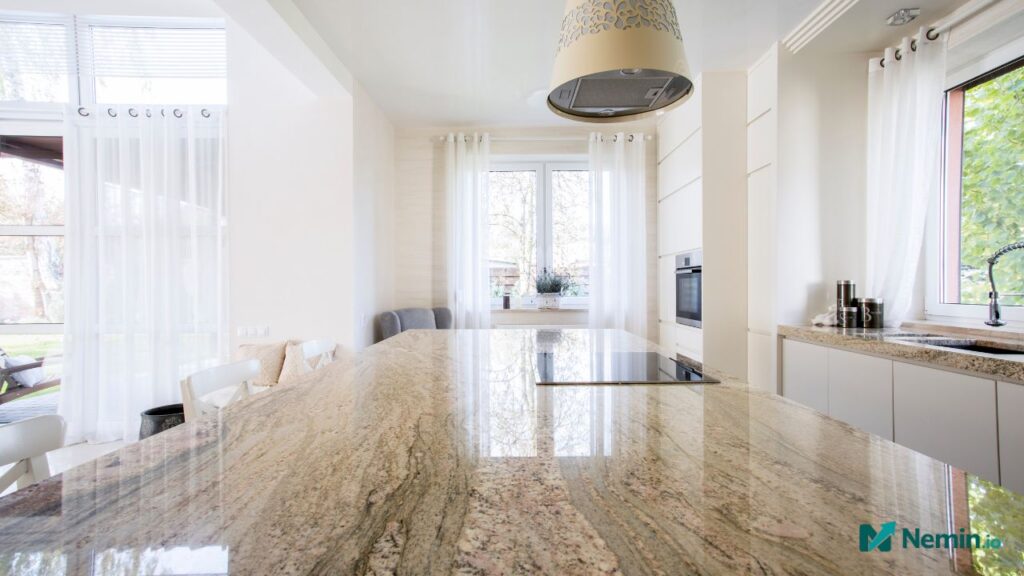
Quartz and granite worktops sit at the centre of modern kitchen design, quietly doing more daily work than almost any other surface in the home. Meals are prepared on them, hot pans land near them, children lean on them and guests gather around them. Choosing between quartz and granite is therefore not only a style decision but a lifestyle decision that affects how your kitchen performs for years.
The good news is that both materials are excellent. Quartz and granite worktops dominate premium kitchens for good reasons, offering durability, beauty and long service life. The right choice depends on how you cook, how much maintenance you accept, which appearance you love and what budget framework you are working within. This practical guide compares both materials honestly so your kitchen design revolution can begin on solid ground.
Why Quartz and Granite Worktops Define the Modern Kitchen
A worktop is the largest visible surface in most kitchens.
Cabinet doors and flooring compete for attention, but the worktop connects every zone. It runs from sink to hob, frames the splashback and sets the tone for colours, textures and finishes elsewhere.
That is why designers often select Quartz and granite worktops before finalising other elements. A busy granite pattern may call for calm painted walls, while a soft quartz tone can support bolder cabinetry.
The worktop also carries the most functional load of any kitchen surface.
The Surface That Works Hardest
Consider what a typical worktop endures during a single week.
- Knife pressure during chopping
- Hot cookware placed nearby
- Acidic spills from lemon, wine and vinegar
- Oil splashes and sauce stains
- Water pooling around the sink
- Impact from dropped utensils
- Weight of small appliances
- Daily cleaning chemicals
Quartz and granite worktops are popular because both handle this workload better than most alternatives, including laminate, wood and tile surfaces.
Understanding Quartz and Granite Worktops
Before comparing performance, it helps to understand what each material actually is. Quartz and granite worktops arrive at your kitchen through very different routes.
What Is a Granite Worktop
Granite is a natural igneous rock formed over millions of years from cooled magma.
It is quarried in large blocks, sliced into slabs, polished and cut to size for kitchens. Every granite slab is geologically unique, which means your worktop will never be exactly duplicated in another home.
Granite contains interlocking crystals of quartz, feldspar and mica, giving the stone its characteristic speckled appearance and impressive hardness.
What Is a Quartz Worktop
Quartz worktops are engineered surfaces made by combining ground natural quartz crystals with polymer resins and pigments.
The result is a highly consistent man-made stone containing a very high percentage of quartz mineral. Because the pattern is manufactured, Quartz and granite worktops in the engineered category offer controlled veining, uniform colour batches and predictable slab-to-slab matching.
This consistency is a major reason quartz became the fastest-growing premium worktop material of recent decades.
How Quartz and Granite Worktops Are Made
| Characteristic | Granite worktop | Quartz worktop |
|---|---|---|
| Origin | Natural stone quarried worldwide | Engineered stone manufactured in factories |
| Composition | Quartz, feldspar and mica crystals | Crushed quartz plus resins and pigments |
| Pattern | Unique to each slab | Controlled and repeatable |
| Colour range | Limited by natural geology | Broad designed palette |
| Slab consistency | Varies between slabs | Highly consistent |
Understanding this origin story explains nearly every performance difference discussed below.
7 Powerful Reasons Quartz and Granite Worktops Lead Kitchen Design
1. Exceptional Durability
Both materials are genuinely tough.
Granite ranks high on the Mohs mineral hardness scale, resisting scratches from routine kitchen activity. Quartz is similarly resistant because quartz mineral itself is extremely hard.
Quartz and granite worktops both comfortably outperform laminate, solid timber and bamboo surfaces for scratch resistance under normal use.
Neither surface is indestructible. A heavy cast-iron pan dropped onto a corner can chip either material, and engineered quartz can be damaged by excessive direct heat because resin content softens under high temperatures.
Durability in Real Terms
For everyday cooking families, the practical message is simple.
- Chopping directly on the surface is still discouraged for both materials
- Granite can tolerate brief pan contact better than quartz
- Both resist knife scratches far better than wood
- Chips are repairable by professionals in many cases
2. Stunning Visual Variety
Granite delivers natural drama.
Patterns range from near-black speckle to flowing gold veining, blue pearl shimmer and deep red movement. No two granite kitchens look identical.
Quartz delivers designed precision.
Manufacturers produce marble-look quartz, concrete-look finishes, solid colours and bold veined statement slabs that mimic exotic stones while offering consistency natural marble cannot.
Quartz and granite worktops together cover nearly every imaginable design direction, from farmhouse warmth to ultra-minimal contemporary schemes.
3. Strong Long-Term Investment Value
Kitchens sell houses, and worktops sell kitchens.
Industry studies consistently identify stone worktops among the features buyers notice first during viewings. While no home improvement guarantees a return, quality Quartz and granite worktops signal a well-considered kitchen rather than a quick cosmetic refresh.
Buyers also recognise that these surfaces typically last for decades, reducing their perceived future costs.
4. Hygienic Food-Safe Surfaces
Hygiene deserves more attention than it usually receives.
Granite, once sealed properly, presents few places for bacteria to establish themselves. Its crystalline structure is dense, and a quality sealant blocks the small natural pores where moisture could otherwise penetrate.
Quartz is non-porous by design.
The resin binding eliminates pores entirely, so quartz needs no sealing and offers no absorption route for liquids or bacteria.
This is one area where the Quartz and granite worktops comparison shows a clear practical difference, and it matters greatly to households prioritising food hygiene.
5. Heat and Stain Resistance With Caveats
Granite is naturally heat tolerant, which is why hot pans have historically been placed on stone without disaster. Even so, thermal shock from extreme temperature changes can occasionally crack natural stone, so trivets remain wise practice.
Quartz and granite worktops differ notably here.
Engineered quartz resins can scorch or discolour under direct high heat, so pan placement directly onto quartz is strongly discouraged.
| Daily hazard | Granite response | Quartz response |
|---|---|---|
| Hot pan briefly placed | Usually tolerated | Risk of scorching, use protection |
| Red wine spill overnight | Can stain if unsealed | Resists staining well |
| Lemon juice left standing | Possible etching on some stones | Generally resistant |
| Olive oil residue | Can absorb if sealant has worn | Non-absorbent |
| Beetroot or turmeric | Staining risk if sealant weak | Very low risk |
The honest summary is that granite rewards sealing and quartz rewards trivets.
6. Low-Ongoing-Maintenance Living
Neither material demands intensive care.
Daily wiping with a soft cloth and mild detergent suits both. Avoid abrasive scouring creams and strong alkaline or acidic cleaners, which can dull polished finishes over time.
Granite requires periodic resealing, typically annually or when water stops beading on the surface. Sealing takes minutes and costs little, yet it protects your investment substantially.
Quartz and granite worktops both fit modern low-maintenance lifestyles, with quartz slightly ahead for households that want zero sealing routine.
7. Design Flexibility Beyond the Worktop
Both materials extend far beyond worktops.
Designers use Quartz and granite worktops for splashbacks, waterfall island ends, breakfast bar overhangs, windowsill shelves, vanity tops and hearth surrounds.
This allows a coherent material story running through the home, something laminate and timber struggle to deliver at the same visual level.
Quartz and Granite Worktops Cost Comparison
Cost deserves honest treatment because pricing varies enormously.
Granite and quartz both occupy the mid-to-premium band, well above laminate but generally below luxury marble. Within each category, prices spread widely.
What Drives the Price of Quartz and Granite Worktops
Several factors move quotes significantly.
- Stone quality and rarity
- Slab thickness, typically 20 mm or 30 mm
- Square metres required
- Cutouts for sinks and hobs
- Edge profile complexity
- Splashback or upstand inclusion
- Templating and fabrication labour
- Geographic region and installer reputation
Cheap granite from mass-market stock can cost less than premium quartz, while exotic granite can exceed nearly every engineered option. Blanket statements about which material costs more are therefore unreliable.
Budgeting Honestly
Obtain several itemised quotes rather than single headline prices.
A low per-square-metre figure can grow quickly once cutouts, templating and edging are added. Reputable fabricators of Quartz and granite worktops provide transparent breakdowns and written specifications.
Remember to budget for the sink and tap decision too, since undermount fittings common with stone worktops affect plumbing costs.
Choosing the Right Finish for Quartz and Granite Worktops
Polished is the classic default.
A polished surface maximises colour depth and stain resistance, with granite polish highlighting natural crystal sparkle.
Honed finishes deliver soft matte elegance.
The trade-off is that honed granite shows etching and fingerprints more readily, and honed quartz can reveal marks that polish would conceal.
Leathered finishes offer growing appeal.
This textured treatment suits dramatic granites, adding tactile interest while hiding some daily wear better than honing.
| Finish | Appearance | Practical character |
|---|---|---|
| Polished | Glossy, reflective | Most stain resistant, easiest cleaning |
| Honed | Smooth matte | Elegant yet shows marks more readily |
| Leathered | Textured, soft sheen | Hides wear, feels distinctive |
Discuss finish samples in your own kitchen lighting, because showroom spotlights flatter every stone.
Edge Profiles That Shape the Whole Room
Edges influence both safety and style.
A sharp 90-degree arris looks contemporary but chips more easily and can feel harsh at hip height where children pass. Eased edges soften corners slightly while keeping modern lines.
Bullnose and pencil round profiles feel friendlier for family kitchens. Ogee and chamfer details add traditional character that suits period homes.
Mitered edges create the illusion of thick stone for dramatic islands without the full cost of solid 50 mm material.
Your fabricator can advise which edge profiles your chosen Quartz and granite worktops support structurally.
How Quartz and Granite Worktops Are Installed
Professional installation is non-negotiable for stone.
Slabs are heavy, fragile before fitting and unforgiving of measurement errors. The typical process follows clear stages.
The Installation Journey
- Consultation and material selection at a showroom or stone yard
- Site survey confirming cabinet levels and appliance positions
- Digital templating once cabinets are fitted
- Workshop fabrication including sink and hob cutouts
- Delivery and fitting by an experienced team
- Sealing for granite, plus final quality inspection
Quartz and granite worktops should be templated only after base units are installed and level. Templat- ing before this point risks gaps and misalignment that no fabricator can fix later.
Working Around the Timeline
Order stone early but template late.
Choose your slab, reserve it and understand lead times, which commonly run from days to several weeks depending on material origin and fabricator workload. Delays are avoidable with honest scheduling conversations.
Quartz and Granite Worktops for Different Lifestyles
The best material depends on how you actually live.
For Passionate Home Cooks
Frequent high-heat cooking favours granite’s thermal tolerance, while serious bakers often prefer quartz because its consistent non-porous surface is effortless to keep spotless for dough work.
Quartz and granite worktops both handle daily cooking, but habits should guide the choice.
For Busy Family Kitchens
Families usually value stain resistance and zero maintenance above all.
Quartz typically wins here. No sealing schedule, forgiving surfaces and consistent looks suit households where cleaning time is scarce.
For Design-Led Homes
If unique natural character is the priority, granite delivers singularity no engineered product can match.
Homeowners building a signature space often choose a statement granite slab and design the room around it.
For Resale-Focused Renovations
Neutral tones sell.
Light greys, soft whites and subtle patterns in either material appeal to the widest future buyer pool. Ultra-distinctive colours can delight you while narrowing your market later.
Pairing Quartz and Granite Worktops With Your Design Scheme
The worktop should converse with cabinets, not shout over them.
Handleless matt cabinets pair beautifully with marble-look quartz. Shaker-style units in sage or navy suit speckled light granites. Dark dramatic granite can anchor an otherwise pale room, while bright quartz can lift a windowless galley.
Consider continuity of tone.
Warm granite flecks can echo brass tapware, and cool quartz undertones can link stainless appliances with grey painted walls. Small sample boards carried through your space at different daylight hours prevent expensive surprises.
Sustainability and Quartz and Granite Worktops
Neither material scores perfectly.
Granite is natural but quarried and transported internationally, carrying extraction impacts. Quartz uses abundant mineral but includes resin content and industrial processing.
A balanced view acknowledges trade-offs honestly.
Longevity is the genuine environmental strength of both. A worktop serving thirty years avoids repeated replacements that shorter-lived surfaces require, reducing lifetime material consumption.
Ask fabricators about slab origin, waste-management practices and any recycled-content quartz ranges they stock.
Common Mistakes When Buying Quartz and Granite Worktops
Avoidable errors drive most regret stories.
- Choosing from small samples rather than viewing full slabs
- Skipping the sealant test after granite installation
- Assuming hot pans are safe on quartz
- Templat- ing before cabinets are fully level
- Selecting brittle exotic stones for heavy-use kitchens
- Ignoring fabricator reviews to save modest sums
- Forgetting splashbacks and upstands in the budget
- Placing seams awkwardly near sinks or hob zones
Quartz and granite worktops reward careful specification and punish assumptions.
Caring for Quartz and Granite Worktops
A simple routine protects both materials.
Daily, wipe with mild detergent and a soft cloth. Weekly, dry-polish to prevent water marking. Annually for granite, reseal or test beading behaviour.
| Care task | Granite | Quartz |
|---|---|---|
| Daily wipe down | Mild detergent | Mild detergent |
| Sealing | Annually or as tested | Not required |
| Heat protection | Recommended trivets | Essential trivets |
| Bleach-based cleaners | Avoid | Avoid |
| Scratch risk | Low | Low |
| Professional restoration | Available for damage | Available for damage |
Treat both surfaces kindly and they will outlast your kitchen cabinets, flooring and probably several appliances.
A Practical Decision Framework
Ask yourself five honest questions.
- Do I cook with very hot pans frequently?
- Will I reliably reseal annually if needed?
- Do I want a one-of-a-kind natural pattern?
- Is colour consistency across slabs important to me?
- What does my budget allow once cutouts and edging are included?
Frequent high-heat cooks and uniqueness seekers lean granite. Low-maintenance households and consistency lovers lean quartz. Many excellent kitchens choose both, using granite near the range zone and quartz elsewhere.
FAQ’s
Are quartz and granite worktops better than laminate
Yes for durability and longevity. Quartz and granite worktops cost more upfront but resist heat, scratches and moisture far better than laminate over their long service life.
Do quartz and granite worktops need sealing
Granite needs periodic resealing, usually annually. Quartz is non-porous and never requires sealing, which is a key maintenance difference between the two materials.
Can I place hot pans on quartz and granite worktops
Granite generally tolerates brief heat better, but trivets are recommended for both. Direct high heat can scorch the resin in engineered quartz.
How long do quartz and granite worktops last
With sensible care both materials commonly last decades, often outliving the surrounding kitchen. Neither is prone to warping or delamination.
Which is more stain resistant, quartz or granite
Quartz resists stains without sealing because it is non-porous. Sealed granite also resists stains well, though worn sealant can allow absorption.
Do quartz and granite worktops add home value
Quality stone worktops are widely recognised as a desirable kitchen feature that can support buyer appeal, although no renovation guarantees a specific financial return.
Conclusion
Quartz and granite worktops remain the defining surfaces of serious kitchen design because they combine beauty, durability and daily practicality better than any competing material. Granite offers natural singularity, heat tolerance and timeless character, while quartz delivers consistency, stain resistance and a genuinely maintenance-free surface.
The smartest approach is to match the material to your real habits rather than showroom impressions. View full slabs, question your fabricator honestly, budget for the complete specification and care for the surface properly once installed. Do that, and your Quartz and granite worktops will remain the hardest-working, best-loved element of your kitchen for decades to come.
Pingback: Lights Switch 7 Brilliant Ideas for Stylish Pendant Lighting