
Choosing a Bristol care home increasingly involves looking beyond rooms, meals and basic daily support to ask a more personal question: what will everyday life actually feel...
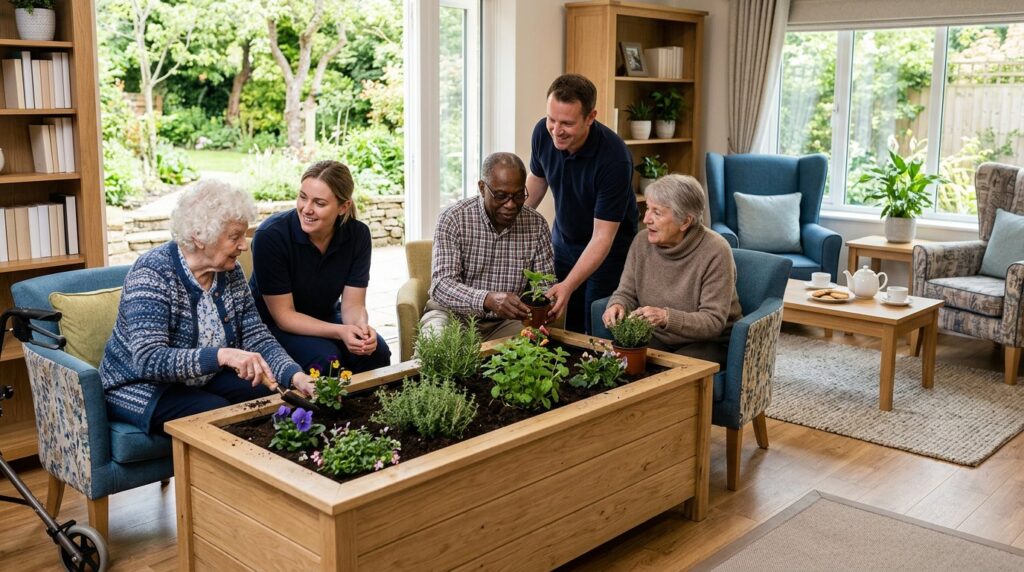
Choosing a Bristol care home increasingly involves looking beyond rooms, meals and basic daily support to ask a more personal question: what will everyday life actually feel like for the person who lives there? Lifestyle-led care approaches residential living around individual routines, relationships, interests, abilities and preferences rather than expecting every resident to follow one standard timetable. Good care still depends on safe staffing, appropriate clinical support, safeguarding, nutrition and effective care planning, but quality of life also matters. For families comparing care homes in Bristol, understanding how a service supports choice, meaningful activity, independence and community connection can reveal much more than a polished building tour.
Moving into residential care can represent a major transition. A person’s home is connected with familiar habits, possessions, neighbors, identity and independence, so moving away from it can involve both practical and emotional adjustment. The quality of the new environment therefore depends on more than physical comfort.
Lifestyle-led care attempts to preserve as much continuity as reasonably possible. Rather than asking residents to fit entirely around institutional routines, the care home learns about the person and considers how daily support can reflect individual preferences.
That principle sounds simple, but meaningful implementation requires appropriate staffing, thoughtful leadership and genuine knowledge of residents. This guide explores what lifestyle-led care means, why it is receiving greater attention and what families should examine when choosing a Bristol care home.
What Does Lifestyle-Led Care Mean in a Bristol Care Home?
Lifestyle-led care is an approach in which everyday residential life is organised around the individual as far as safely and practically possible. It overlaps strongly with person-centred care, which is established within health and social care as an important principle.
This can affect when someone gets up, what they enjoy eating, how they spend their afternoon, which hobbies they continue and how much social interaction they prefer. It also means recognising that meaningful living looks different for different people.
One resident might enjoy group music sessions and busy communal spaces. Another may prefer reading quietly, gardening or having a one-to-one conversation. A quality Bristol care home should not treat one personality as more successful than the other.
Lifestyle-Led Care Is More Than an Activities Calendar
Activities are visible and easy to advertise, which can make them seem like the defining feature of lifestyle-led care. They are only one part of it.
A calendar containing bingo, crafts, exercise and entertainment does not prove that residents have meaningful choice. The stronger question is whether activities reflect people’s actual interests and whether alternatives are available for residents who do not enjoy organised groups.
Lifestyle also includes meals, sleep routines, personal care, clothing, religious observance, family contact, privacy and ordinary choices about how the day unfolds.
Traditional Routine Versus Lifestyle-Led Care
Care homes still need routines. Medication, staffing, meals and safety responsibilities cannot operate without organisation. Lifestyle-led care is therefore about flexibility within a safe service rather than abandoning structure.
| Area | Standardised Approach | Lifestyle-Led Approach |
|---|---|---|
| Morning routine | Similar timetable for most residents | Preferences considered in individual routines |
| Activities | General group calendar | Group and individual interests considered |
| Dining | Primarily fixed service | Greater attention to preferences and choice |
| Personal care | Task-focused | Care built around dignity and individual habits |
| Family involvement | Primarily visits | Families can contribute appropriate personal knowledge |
| Independence | Staff complete most tasks | Residents supported to do what they safely can |
| Social life | Participation measured by group attendance | Different forms of connection are recognised |
| Care planning | Focus on needs and risks | Needs, risks, goals, history and preferences considered |
In practice, care quality exists on a spectrum. Families should look for evidence rather than relying on labels.
Why Lifestyle-Led Bristol Care Home Services Are Gaining Attention
People entering care today have increasingly diverse expectations, experiences and lifestyles. Families are also more likely to ask detailed questions about autonomy, engagement and emotional wellbeing alongside physical support.
Regulatory expectations in England emphasise person-centred care, dignity, respect and appropriate involvement in decisions. Care providers therefore have both ethical and regulatory reasons to understand residents as individuals.
A lifestyle-led Bristol care home can build on these principles by making them visible in everyday life rather than limiting personalisation to documents.
Care Home Expectations Have Changed
Residential care was historically associated in the public imagination with rigid schedules and institutional routines. Contemporary care services increasingly seek to create environments that feel more residential, individual and connected with ordinary life.
That does not mean every modern-looking home delivers excellent care. Interior design can support comfort, but staffing culture and day-to-day practice matter more.
An impressive cinema room is of limited value if residents rarely use it or staff do not have time to support participation.
Bristol Creates Opportunities for Community Connection
Bristol has a distinctive cultural and community identity, with parks, neighbourhood centres, religious communities, museums, waterfront areas and local organisations.
Where mobility, health, staffing and transport permit, care homes can use their surrounding community rather than functioning as isolated buildings.
For some residents, maintaining contact with familiar parts of Bristol may contribute more to quality of life than participating in a generic activity inside the home.
9 Benefits of Lifestyle-Led Care in a Bristol Care Home
Lifestyle-led care does not guarantee a particular emotional or medical outcome. People entering residential care have different health conditions, abilities, personalities and circumstances.
Its value lies in creating more opportunities for residents to retain identity, choice and meaningful participation. Nine benefits are especially relevant when families compare care settings.
1. A Bristol Care Home Can Preserve Personal Identity
Age or illness does not erase a person’s history.
Someone may have spent decades as a teacher, engineer, parent, musician, gardener or business owner. Those experiences can inform conversations, activities and daily choices after moving into care.
Knowing a resident’s history helps staff understand the person behind the care requirements.
2. Residents Can Retain More Everyday Choice
Choice can involve small decisions that are easily overlooked.
What clothes would the person like to wear? Where would they prefer to eat? Do they want company or quiet time? Which television programme matters to them?
Lifestyle-led care recognises that autonomy often exists through these ordinary decisions.
3. Activities Can Become More Meaningful
An activity is more likely to engage someone when it connects with a genuine interest.
A lifelong gardener might value tending plants more than joining a craft session. Someone who enjoyed cooking may prefer food-related activities, while a music enthusiast might respond strongly to familiar recordings or live performance.
A good Bristol care home learns what residents actually enjoy instead of assuming everyone of a similar age shares the same interests.
4. Independence Can Be Supported Appropriately
Care should provide necessary help without automatically taking over every task.
Depending on ability and risk assessment, residents may still choose clothes, organise personal possessions, participate in everyday tasks or move independently with appropriate support.
Maintaining capability where possible can preserve a sense of agency.
5. Relationships Can Remain Central
Residential care should not mean separation from existing relationships.
Family visits, friendships, community connections and communication with people outside the home can remain important parts of life.
Lifestyle-led care considers how these relationships can continue rather than treating them as separate from the care plan.
6. Dining Can Reflect Personal Preferences
Food is connected with culture, religion, memory and routine.
A person may have preferred breakfast at a particular time for decades or may strongly dislike certain foods. Dietary requirements can also involve medical, religious or ethical considerations.
A Bristol care home should balance individual preferences with nutrition, safety and any clinically advised dietary needs.
7. Emotional Wellbeing Receives More Attention
Quality care involves more than preventing physical harm.
Loneliness, boredom, grief and anxiety can affect residents, particularly during major transitions. Staff who know residents well may be better positioned to notice meaningful changes in mood or behaviour.
Persistent mental-health concerns require appropriate professional assessment rather than being treated solely through activities.
8. Care Can Adapt as Needs Change
A resident’s abilities and health may change over time.
Lifestyle-led care does not mean preserving one routine indefinitely. It means continuing to understand what matters to the person while adapting support appropriately.
Regular care-plan reviews can help keep preferences, risks and needs current.
9. Lifestyle-Led Bristol Care Home Services Can Feel More Like Home
A home is not created by luxury furniture alone.
Familiar possessions, personal routines, privacy, relationships and control over ordinary decisions can all influence whether a resident develops a sense of belonging.
A care environment feels more personal when the person living there has some influence over it.
Person-Centred Care and the Bristol Care Home Experience
Person-centred care provides an important foundation for lifestyle-led living. It means involving people in decisions and recognising individual needs, preferences and values.
In England, providers should operate within current regulatory and legal frameworks, including requirements relevant to dignity, consent, safeguarding and person-centred care.
Families should consult the Care Quality Commission, commonly known as the CQC, for current information about registered services and inspection findings.
Care Plans Should Describe a Person, Not Just Tasks
A care plan understandably includes practical requirements such as mobility assistance, medication and personal care.
It should also contain useful information about communication, preferences, routines and what matters to the individual.
This information becomes valuable only when staff know it and use it. Families can ask how care plans influence everyday practice.
Bristol Care Home Staff Need Time to Know Residents
Personalised care depends heavily on human relationships.
Staff need opportunities to learn how residents communicate and what they prefer. Consistency can help because familiar staff may recognise subtle changes more readily than someone meeting the resident for the first time.
When visiting a Bristol care home, observe how staff interact with residents rather than focusing exclusively on facilities.
Activities in a Lifestyle-Led Bristol Care Home
A strong activity programme offers variety without turning participation into an obligation.
Activities can be social, physical, creative, intellectual, spiritual or practical. Some can involve the wider community, while others happen quietly in a resident’s room.
One-to-one engagement matters particularly for people who do not enjoy groups or cannot participate easily in communal sessions.
Examples of Meaningful Activities
| Activity Type | Possible Examples | Individual Consideration |
|---|---|---|
| Creative | Painting, crafts, flower arranging | Previous interests and dexterity |
| Music | Singing, instruments, listening sessions | Personal musical preferences |
| Physical | Walking, seated movement, gardening | Mobility and professional guidance |
| Cognitive | Quizzes, reading, discussion | Ability and personal enjoyment |
| Practical | Baking, folding, planting | Familiar routines and safe participation |
| Social | Coffee groups, celebrations, visitors | Preference for group interaction |
| Spiritual | Services, reflection, faith visits | Individual beliefs |
| Community | Local visits and events | Mobility, transport and accessibility |
| One-to-one | Conversation, reading, hobbies | Personality and individual needs |
The purpose is meaningful engagement, not filling every hour.
Residents Should Be Able to Say No
Lifestyle-led care includes the right not to participate.
Some people genuinely enjoy solitude, and others may be tired or simply uninterested in a particular event. Staff can invite and encourage without turning refusal into a problem.
Repeated withdrawal can sometimes indicate changes in physical or emotional wellbeing, so staff should notice patterns without assuming every quiet resident is unhappy.
Bristol Care Home Dining as Part of Lifestyle
Meals structure much of the day in residential care.
Quality, choice and atmosphere therefore matter. Residents may value familiar foods, cultural dishes, favourite desserts or simply having tea prepared in a particular way.
A lifestyle-led approach learns these details.
Nutrition Still Matters
Choice needs to coexist with appropriate nutrition and safety.
Some residents may need modified textures or clinically advised diets. People with swallowing difficulties, for example, may require specialist assessment and properly prepared food.
Lifestyle personalisation should never involve ignoring genuine healthcare requirements.
Dining Should Not Feel Identical for Everyone
Some residents enjoy communal dining because meals provide social contact. Others may prefer a quieter setting or occasionally eat in their room where appropriate.
Ask how a Bristol care home accommodates individual dining preferences and what choices are available if someone dislikes the main menu.
Lifestyle-Led Dementia Care in a Bristol Care Home
People living with dementia are individuals with distinct histories, capabilities and preferences.
Lifestyle-led dementia care can use personal knowledge to make communication and activities more meaningful. Familiar music, objects, routines or occupations may provide useful opportunities for engagement.
Responses vary significantly between individuals, so no activity should be promoted as a guaranteed dementia treatment.
Life Story Work
With appropriate consent and sensitivity, families can help staff understand significant people, places, occupations and interests from a resident’s life.
This information can support conversation and personalised activities.
It must be used carefully. Some memories may be painful, and not every resident wants personal history repeatedly discussed.
Bristol Care Home Environments for Dementia
The physical environment can influence navigation, comfort and independence.
Clear signage, understandable layouts, appropriate lighting and access to safe outdoor spaces may support some residents.
Families should ask how environmental design connects with actual care practice rather than assuming specialist décor alone proves quality dementia support.
Lifestyle-Led Bristol Care Home Support Must Remain Individual
Two people with the same diagnosis can have completely different communication styles, abilities and interests.
A standard “dementia activity” is therefore not automatically person-centred.
Good support adapts to the individual rather than reducing the person to a diagnosis.
Residential, Nursing and Dementia Care in Bristol
Families sometimes use the term care home to cover several service types, but support levels differ.
Residential homes primarily provide accommodation and personal care, while nursing homes have nursing provision for people whose needs require it. Dementia support can exist within different settings depending on registration, staff expertise and individual needs.
An appropriate needs assessment is essential.
Comparing Care Types
| Care Type | Main Focus | What Families Should Confirm |
|---|---|---|
| Residential care | Daily living and personal care | Whether current needs can be supported |
| Nursing care | Personal care plus nursing provision | Nursing availability and clinical capabilities |
| Dementia care | Support adapted to cognitive impairment | Staff training, environment and individual approach |
| Respite care | Temporary residential support | Availability and minimum stay |
| Convalescent support | Short-term recovery needs where offered | Clinical suitability and service scope |
| End-of-life care | Comfort and individual wishes | Clinical support and care planning |
Descriptions vary among providers, so ask precisely which needs a particular Bristol care home is registered and equipped to support.
Choosing the Right Bristol Care Home
Start with care needs before lifestyle amenities.
A home can have an excellent restaurant, cinema and landscaped garden but still be unsuitable if it cannot safely meet a person’s clinical or mobility requirements.
Once suitability is established, lifestyle becomes a powerful differentiator.
Create a Personal Priority List
Write down what matters to the prospective resident.
This might include staying near family, keeping a familiar bedtime, accessing a garden, attending religious services, maintaining a hobby or having enough space for treasured furniture.
A priority list prevents impressive but irrelevant facilities from dominating the decision.
Visit More Than Once When Possible
One tour provides only a snapshot.
If practical, visit shortlisted homes at different times or ask detailed questions about evenings and weekends. Staffing and atmosphere should not feel completely different when scheduled activities are finished.
Always follow the home’s visitor policies and appointment requirements.
What to Look for During a Bristol Care Home Visit
Notice what residents and staff are actually doing.
Are interactions respectful? Do staff use residents’ preferred names? Are people offered choices? Does the environment feel calm without being unnaturally silent?
Cleanliness matters, but a lived-in home should not necessarily resemble a hotel showroom.
Bristol Care Home Viewing Checklist
| Area | What to Examine |
|---|---|
| Staff interactions | Warmth, patience and respect |
| Resident choice | Evidence of individual routines |
| Rooms | Privacy, comfort and personalisation |
| Activities | Variety and relevance to residents |
| Dining | Menu choice and mealtime flexibility |
| Outdoor space | Accessibility and safe use |
| Accessibility | Mobility around communal areas |
| Security | Appropriate controls without unnecessary restriction |
| Family involvement | Communication and visiting arrangements |
| Care planning | How preferences and needs are recorded |
| Staffing | Skills, continuity and escalation procedures |
| Complaints | Clear process for raising concerns |
Ask specific questions rather than accepting broad assurances that everything is personalised.
Checking CQC Information for a Bristol Care Home
The Care Quality Commission regulates health and social care services in England, including registered care homes.
Its website can provide information about registration and inspection findings. Prospective residents and families should review the current record for each shortlisted service.
A rating is useful information, but it should be read alongside the underlying report and more recent developments.
Read Beyond the Overall Rating
Inspection reports can contain detail about safety, leadership, responsiveness and other aspects of service.
Look at the report date and any subsequent regulatory updates.
Combine this information with visits, conversations and an assessment of whether the home can meet the individual’s specific needs.
Staffing and Lifestyle-Led Care
Lifestyle-led care is difficult to deliver without appropriate staffing.
Residents need support at different times, and meaningful interaction cannot always be scheduled into a single activity hour.
Ask how the home determines staffing according to residents’ needs rather than searching for a universal staffing ratio that may not reflect individual complexity.
Training Matters
Staff may need education relevant to dementia, moving and handling, safeguarding, medication, communication and other areas depending on their roles.
Training alone does not guarantee excellent care, but it contributes to safe practice.
Families can also ask how new staff are inducted and how competencies are maintained.
Safety Within a Lifestyle-Led Bristol Care Home
Personal choice and safety are not necessarily opposites.
Care homes need to manage risks while avoiding unnecessary restrictions on residents’ lives. Good risk assessment considers both potential harm and the benefits of enabling meaningful activity.
For example, a resident who loves gardening should not automatically lose access to outdoor spaces merely because mobility has changed. Support may be adapted instead.
Positive Risk Management
Positive risk management recognises that eliminating every possible risk can also remove independence and enjoyment.
The appropriate balance depends on capacity, needs, environment and applicable legal requirements.
Complex decisions should involve relevant professionals and the resident or appropriate representatives as required.
Family Involvement in a Bristol Care Home
Families can provide valuable knowledge, particularly when residents have communication difficulties.
They may know longstanding preferences, important routines and subtle signs that something is unusual.
However, lifestyle-led care remains centred on the resident rather than automatically giving relatives control over every choice.
Communication With Families
Ask how updates are provided and whom families should contact with concerns.
Some homes use digital systems, while others rely primarily on calls, meetings and care reviews.
Whatever the method, communication should respect confidentiality and the resident’s rights.
Rooms and Personalisation
Moving familiar belongings into a care-home room can help create continuity.
Photographs, favourite chairs, artwork, books and small decorative items can make the space feel individual, subject to safety and facility policies.
Ask what furniture residents may bring before organising the move.
A Bristol Care Home Room Should Support Daily Life
Appearance matters, but practical details are equally important.
Check storage, natural light, bathroom accessibility, call systems, temperature control and space for mobility aids where needed.
A beautiful room that does not support the resident’s physical needs is not an appropriate choice.
Outdoor Space and Lifestyle-Led Care
Access to fresh air and outdoor environments can be important for many residents.
Gardens can provide places for conversation, gardening, gentle activity or quiet observation.
The key is whether residents can actually use the space.
Look Beyond the Photograph
A landscaped garden makes excellent marketing imagery, but ask about accessibility.
Are paths appropriate for mobility aids? Is there seating? Can residents reach the garden independently where safe, or is staff support required?
Lifestyle-led design should translate into practical access.
Technology in a Bristol Care Home
Technology can support communication, entertainment and care administration.
Residents may use tablets for video calls, streaming, games or reading. Digital care systems may help staff document needs and observations more efficiently when properly implemented.
Technology should support relationships rather than replace human interaction.
Digital Inclusion
Not every older adult is uncomfortable with technology, and not every resident wants to use it.
Staff can offer help without assuming incapability.
Residents’ privacy, consent and data protection remain important when digital services are used.
Costs of a Bristol Care Home
Care-home fees vary according to service type, care needs, room characteristics, provider and funding arrangements.
Nursing or specialist requirements can affect costs, while premium rooms or facilities may also be priced differently.
Because rates change, families should obtain current written information directly from providers.
Bristol Care Home Cost Questions
| Cost Area | What to Ask |
|---|---|
| Weekly fee | What does the standard fee include? |
| Care needs | Can fees change after reassessment? |
| Nursing | Is nursing care included where applicable? |
| Activities | Are any experiences charged separately? |
| Transport | Are appointments or outings included? |
| Personal care | Are toiletries or hairdressing additional? |
| Room type | Does room size or position affect price? |
| Deposit | Is one required? |
| Notice | What contractual notice applies? |
| Fee increases | How and when can fees change? |
| Funding | Which arrangements does the home accept? |
| Extras | What common additional costs arise? |
Families should understand the complete financial commitment rather than comparing only headline weekly rates.
Funding a Bristol Care Home Placement
Funding arrangements can be complex and depend on financial circumstances and assessed care needs.
Local-authority support, self-funding and NHS-related funding pathways may apply in different situations. Rules and thresholds can change.
Use current information from Bristol City Council, NHS resources and qualified financial or legal professionals where appropriate.
Seek Specialist Advice for Major Financial Decisions
Property, savings and long-term care costs can involve substantial financial consequences.
A general article cannot determine an individual’s entitlement or optimal funding strategy.
Independent specialist advice can be particularly valuable before making irreversible decisions.
Lifestyle-Led Bristol Care Home Support for Couples
Couples may have different care needs even after decades of living together.
Some homes can accommodate couples in suitable rooms or nearby rooms, while others may not have appropriate arrangements.
Ask how the service supports couples when one person’s needs change.
Relationships Should Remain Relationships
Couples should not automatically be treated merely as two care recipients who happen to know each other.
Privacy, shared meals and time together can remain important.
Individual care plans should support the relationship while still recognising each person’s separate preferences and rights.
Faith, Culture and Identity in a Bristol Care Home
Lifestyle includes beliefs, language, food, festivals and cultural practices.
A person-centred home should ask about these matters instead of assuming all residents share the same traditions.
Bristol’s diverse population makes cultural responsiveness especially relevant.
Questions About Cultural Support
Families can ask whether the home can accommodate particular diets, religious observances, community visitors, preferred languages or important celebrations.
No provider can necessarily meet every request internally, but it should be willing to discuss realistic arrangements respectfully.
The resident’s own preferences matter more than assumptions based on background.
How a Bristol Care Home Can Support Community Life
Residential care does not have to mean withdrawing completely from the surrounding city.
Where appropriate, residents can maintain connections with local shops, parks, places of worship, clubs or cultural destinations.
Community organisations may also visit the home.
Meaningful Outings Over Generic Trips
A person who spent years visiting a particular park may value returning there more than attending an unfamiliar tourist attraction.
Personal history can therefore influence outing choices.
Accessibility, staffing, transport and health requirements still need careful planning.
Warning Signs When Visiting a Bristol Care Home
No single observation proves poor care, but recurring concerns deserve investigation.
Dismissive communication, unanswered calls for assistance, unexplained restrictions, poor cleanliness or residents appearing consistently ignored should not simply be overlooked because the building is attractive.
Ask questions about anything that concerns you.
Lifestyle Marketing Should Match Daily Reality
Be cautious if a home heavily promotes lifestyle-led care but cannot explain how individual preferences enter care plans.
Likewise, an extensive activity calendar means little if residents consistently appear disengaged and staff cannot describe individual interests.
Good lifestyle-led care should be visible in ordinary conversations and routines.
Bristol Care Home Questions to Ask Before Choosing
Preparing questions helps families compare homes consistently rather than relying on first impressions.
Focus on needs, staffing, lifestyle, communication, safety and fees.
Useful questions include:
- How do you learn each resident’s routines and preferences?
- How frequently are care plans reviewed?
- What happens when a resident dislikes group activities?
- How do you support individual hobbies?
- How are staffing needs assessed?
- What dementia training do relevant staff receive?
- How are families involved appropriately?
- What happens if care needs increase?
- Can residents personalise bedrooms?
- How flexible are meal choices and times?
- How are complaints handled?
- What is included in the weekly fee?
- Which additional charges are common?
- What are your visiting arrangements?
- How do residents access the local community?
Written notes can make comparisons easier after several visits.
Lifestyle-Led Care Versus Luxury Care
Luxury and lifestyle are not the same.
Premium interior design, restaurants, cinemas and salons can enhance a resident’s experience, but they do not replace compassionate, individualised care.
A modestly designed home with excellent staff relationships may deliver stronger person-centred care than a visually spectacular building with an institutional culture.
Choose Substance Before Appearance
Facilities should support how residents actually want to live.
A private cinema matters if residents enjoy films and can use it. A garden matters if it is accessible. A café matters if it helps residents socialise with visitors.
Lifestyle-led care turns amenities into meaningful experiences rather than a property brochure.
Moving Into a Bristol Care Home
The transition should be planned around the resident wherever possible.
Bringing familiar possessions, understanding routines and introducing staff to important preferences can help create continuity.
Not everyone adjusts at the same pace.
Before Moving Day
Create a concise profile covering routines, favourite foods, interests, communication preferences and significant relationships.
Share appropriate health and medication information through formal care processes rather than relying on an informal note alone.
Label possessions according to the home’s guidance.
After the Move
Avoid judging the entire placement from the first few hours.
Adjustment can take time, particularly after illness, bereavement or a major change in independence. Stay in communication with the care team and raise specific concerns promptly.
If wellbeing deteriorates significantly, appropriate clinical assessment may be necessary.
How to Compare Bristol Care Home Options
Begin by removing homes that cannot meet assessed care needs or practical requirements.
Then compare remaining services according to care quality, lifestyle, location, communication and cost.
A structured approach helps prevent one attractive feature from overwhelming the full decision.
Bristol Care Home Comparison Framework
| Priority | Main Question |
|---|---|
| Care suitability | Can the home safely meet current needs? |
| Future needs | What happens if requirements increase? |
| Regulation | What does current CQC information show? |
| Staffing | Do staff appear skilled, respectful and available? |
| Lifestyle | Are routines genuinely personalised? |
| Activities | Are individual and group options available? |
| Dining | Is meaningful choice provided? |
| Location | Can important relationships remain accessible? |
| Environment | Is the room and building appropriate? |
| Communication | How are concerns and updates handled? |
| Cost | What is the total ongoing financial commitment? |
| Contract | Are fee and notice terms understandable? |
Families should weigh these factors according to the individual rather than attempting to identify one universally best home.
Why Lifestyle-Led Bristol Care Home Models Matter
The growth of lifestyle-led care reflects a simple but significant shift in perspective. Older people and people with care needs remain individuals with preferences, histories and relationships.
Care is therefore not complete merely because practical tasks are performed safely.
A good service combines safety with meaningful living. It understands that breakfast preferences, favourite music, privacy, friendships and familiar routines can matter alongside medication and mobility support.
Lifestyle Is Part of Care, Not an Optional Extra
Lifestyle should not be delegated entirely to an activities coordinator.
Care staff, kitchen teams, managers and visiting professionals all contribute to residents’ everyday experience.
When personalisation is embedded throughout the Bristol care home, it becomes part of ordinary care rather than a scheduled entertainment programme.
FAQ’s
What is lifestyle-led care in a Bristol care home?
Lifestyle-led care organises everyday support around a resident’s individual preferences, history, routines, relationships and abilities while continuing to meet appropriate care and safety requirements.
How do I choose a good Bristol care home?
Start with assessed care needs, then examine current CQC information, staffing, resident interactions, activities, dining, location, fees and how the home puts person-centred care into everyday practice.
Does a Bristol care home provide dementia care?
Some Bristol care home services provide specialist or adapted dementia support, while others may not be suitable for particular needs. Confirm registration, staff expertise and individual suitability directly.
How much does a Bristol care home cost?
Fees vary according to care type, assessed needs, provider, room and funding arrangements. Request a current written breakdown showing the weekly fee and all common additional charges.
Can residents personalise rooms in a Bristol care home?
Many homes allow residents to bring photographs, decorations and selected furniture, subject to space, fire safety and other policies. Confirm the home’s rules before moving belongings.
Is lifestyle-led Bristol care home support only about activities?
No. Lifestyle-led care also involves personal routines, dining choices, relationships, independence, privacy, culture, community connections and how residents prefer to spend ordinary parts of the day.
Conclusion
A Bristol care home offering meaningful lifestyle-led care looks beyond completing necessary tasks and asks how each resident wants everyday life to feel. Safe care, suitable staffing, safeguarding and clinical support remain fundamental, but personal routines, relationships, food, hobbies, independence and ordinary choices also contribute to quality of life.
When comparing a Bristol care home, look beyond attractive facilities and activity calendars for evidence that staff genuinely know the people they support. Check current CQC information, understand fees and care capabilities, visit where possible and ask how personal preferences influence real daily routines. The strongest lifestyle-led care does not create one ideal way to grow older; it preserves room for every resident to remain recognisably themselves.
Pingback: Cowboy Chaps For Sale: 9 Powerful Picks for Tough Riders
Pingback: Ageing Parents: 9 Powerful Ways to Give Better Support Today
Pingback: Gym Lifting Straps: 7 Expert Rules for Maximum Pulling Power